- Finance minister says this 5% additional tax is meant to reduce huge gap between imports and exports
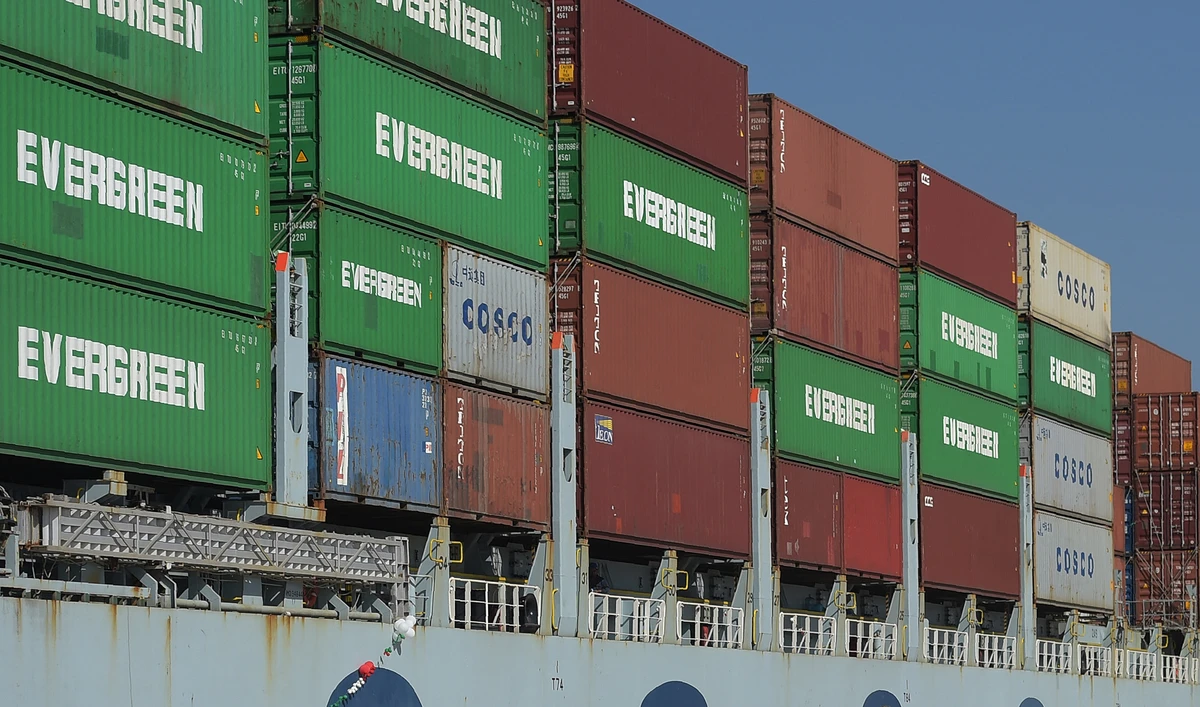
- Pakistan’s imports rose above $80 billion in last fiscal year as compared to exports of only $31.7 billion
KARACHI: Pakistani industrialists on Sunday demanded the government give them the same incentives that were being given to export-oriented industries, a day after the finance minister announced an additional 5 percent tax on manufacturers having zero exports.
The cash-strapped South Asian nation is desperately looking to boost its foreign exchange reserves, which stand at $8.7 billion — barely enough to cover around 40 days of imports — despite the disbursement of $1.16 billion from the International Monetary Fund (IMF) less than two weeks ago.
Pakistan's finance minister Miftah Ismail on Saturday said the government had decided to impose 5 percent tax on industries with zero contribution to exports, so that the huge gap between imports and exports could be narrowed.
Pakistan’s import rose above $80 billion in the last fiscal year as compared to exports of only $31.7 billion, recording the highest ever trade deficit of $48.3 billion or 55.7 percent.
“It is right that exports from Pakistan should increase and after the imposition of [additional] tax, all manufacturers will try to export [goods],” Zubair Motiwala, chairman of Businessmen Group at the Karachi Chamber of Commerce and Industry (KCCI), told Arab News on Sunday.
“The decision is planned to be implemented from the next year but the government has yet to define indirect exporters, because indirect exporters also offer vending services to exporters. This is the problem.”
But M. A. Jabbar, vice-president of the Federation of Pakistan Chambers of Commerce and Industry (FPCCI), believed the government's decision to impose 5 percent additional tax would mount pressure on the already tax-burdened industries.
“There are 29 percent corporate taxes that are more than the competitors’ and if the new tax is imposed, then it would reduce profitability and ultimately reduce incentive for investment, especially under the current situation,” he told Arab News.
The FPCCI vice-president said the government would have to offer the same incentives to all manufacturers that were being given to exporters, including tax concessions, in order to encourage exports.
"If you are to give all such incentives to them, it means your budget deficit will further increase. Will the government be in a position to afford incentives for all non-exporting manufacturers," he asked.
“If you want to increase exports by 5 percent then you will have to cut electricity prices and give the same incentive of zero tax rating. And if the government has a contingency plan and special allocations for such exports, then they can start.”
The finance minister on Saturday also hinted at continuing import restrictions beyond September, mainly due to the devastating floods.
“I wanted to end them in September, but the floods hit and destroyed the entire cotton crop of Sindh. We have to import this cotton, there is no other way. We will supply cotton and fuel to our textile mills,” Ismail said.
“Two-thirds of the rice crop in Sindh has been destroyed and 20 percent sugarcane destroyed, so we have gone through a lot of pain and we will continue to go through the pain.”