- Pakistan’s economy is prone to geopolitical tensions in South Asia and surge of oil prices in the international market
- Economists say the country needs to remain consistent with fiscal adjustment measures to ultimately improve the economy
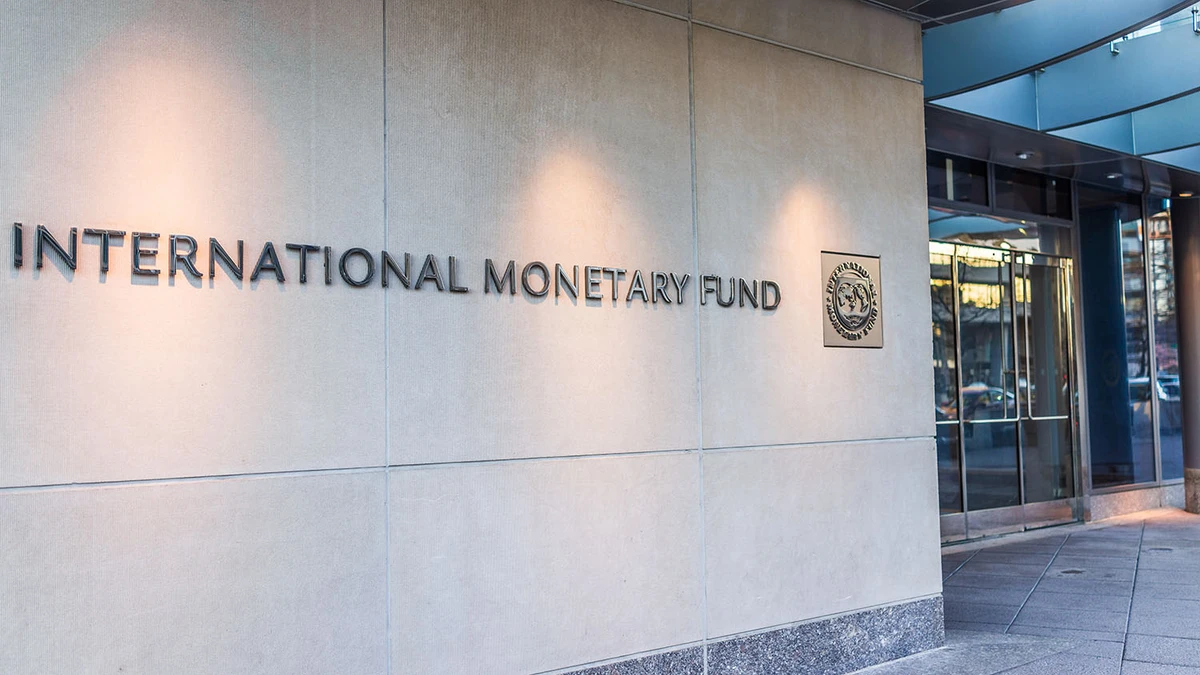
ISLAMABAD: The International Monetary Fund (IMF) said on Tuesday that Pakistan’s economy would slow down to 2.4 percent in 2020 due to the ongoing fiscal adjustments but pick up pace after the stabilization measures bear fruit and macroeconomic imbalances were adjusted.
The country’s economic growth has already plummeted from 5.8 percent to 3.3 percent in the last fiscal year due to a sharp decline in industrial and agricultural production along with rising inflation and tax rates.
However, the IMF said that if Pakistan carried out “substantial fiscal adjustments,” the country’s economy would start improving in the longer run.
“So far, we have seen good signs. And we hope that there will be a notable pickup in growth over the medium term, which is sorely needed in Pakistan to lift the living standards,” IMF’s economist, Gian Maria Milesi-Ferretti, said at the launch of the World Economic Outlook 2019 in Washington DC.
Islamabad signed off on a $6 billion stabilization program with the IMF in July this year, promising to implement tough taxation measures and increase energy prices to improve the country’s macroeconomic outlook.
The South Asian nation has also devalued its currency more than 27 percent over the last year, jacked up the key interest rate to 13.25 percent and all this has resulted in a 12.55 percent inflation rate – the highest since June 2011.
The IMF official, however, said the confidence of Pakistani investors and businessmen was improving with an increase in demand for local currency assets, besides having an exchange rate that is more reflective of “actual economic conditions with some degree of floating.”
He added that domestic demand was going to compress with ongoing fiscal adjustments, but lauded Pakistani authorities for being “steadfast” while implementing the program.
“Challenges remain, of course. It is a set of macroeconomic imbalances that needs to be addressed,” Milesi-Ferretti said.
Asked about the impact of mounting tensions between Pakistan and India on the regional economic outlook, he said that there were uncertainties and escalation between the two South Asian nuclear-armed neighbors was one of them.
“There are others, oil prices. Pakistan is a large oil importer and hence very sensitive to what happens to oil prices,” the IMF official added.
Dr. Athar Ahmed, senior economist, said that Pakistan’s economy had slowed to “the worst level” in recent years due to tough conditions of the IMF program which had resulted in huge unemployment figures and spiraling inflation.
“Our economy can improve only if we remain consistent with our fiscal adjustment measures at least for the next three to four years,” he told Arab News. “If we really want to fix our economy, we will have to sacrifice our luxurious lifestyle and pay taxes.”