- Seventh review of $6 billion Extended Fund Facility with IMF is pending
- No concept of suspension within IMF programs, IMF said early this month
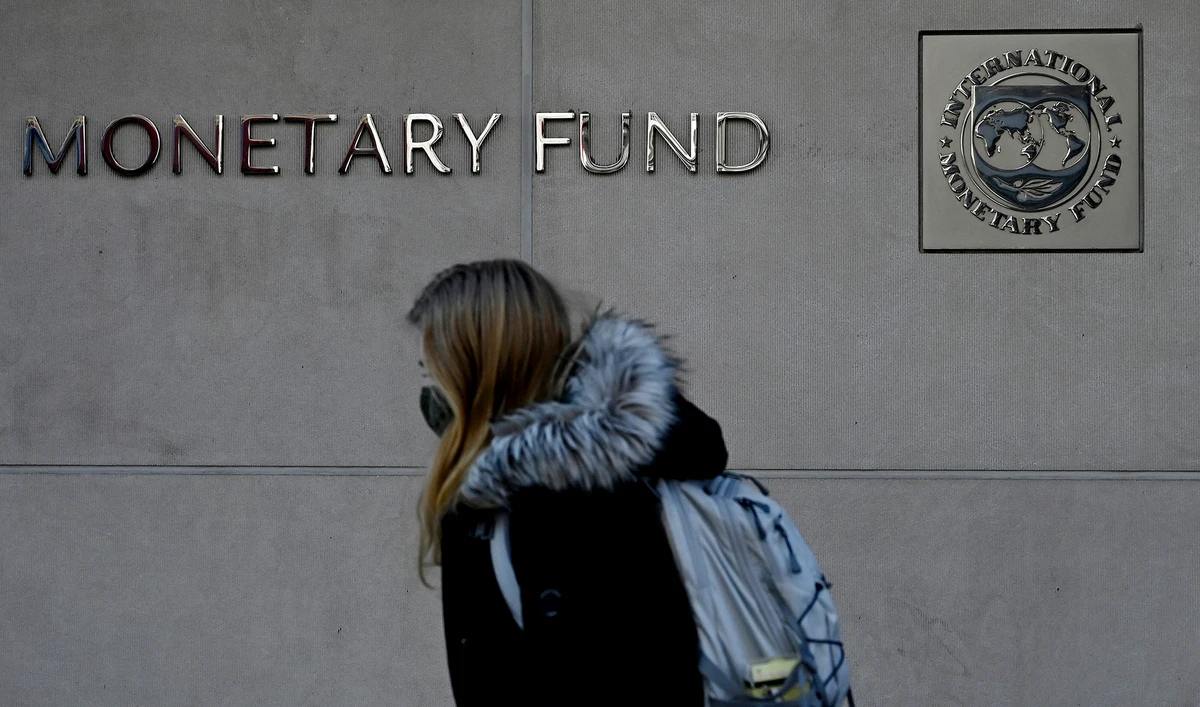
ISLAMABAD: The International Monetary Fund’s (IMF) country representative in Pakistan, Esther Perez Ruiz, has said the fund is looking forward to working with the new government of Shehbaz Sharif, who faces the daunting task of managing a stuttering economy with huge deficits.
Sharif was sworn as new prime minister after Imran Khan was ousted in a no-confidence vote in parliament last week. He has vowed to take measures to stabilize the economy.
Pakistan’s new government is also planning to restart negotiations with the IMF for the seventh review of a $6 billion Extended Fund Facility (EFF).
The IMF suspended talks ahead of the review.
“The IMF congratulates Mr Sharif on becoming Prime Minister and looks forward to working with his government and discussing policies that would support inclusive and sustainable growth,” Esther Perez Ruiz, the IMF’s Resident Chief in Pakistan told the News, a leading Pakistani English daily.
Earlier this month, before the election on the new prime minister, IMF had said in a statement it looked forward to continuing to support Pakistan.
"Once a new government is formed, we will engage on policies to promote macroeconomic stability, and enquire about intentions vis-a-vis program engagement," the IMF said. “There is no concept of suspension within IMF programs.”
Pakistan's current account deficit is projected at around 4% of GDP for the 2022 fiscal year (FY), the country's central bank said last week, while foreign reserves dropped to $11.3 billion as at April 1, compared with $16.2 billion less than a month earlier.
The central bank last week hiked key interest rates by 250 basis points to 12.25% in an emergency decision, the biggest hike in decades, citing deterioration in the outlook for inflation and an increase in risks to external stability, heightened by the Russia-Ukraine conflict, as well as local political uncertainty.
The bank also revised average inflation forecasts upwards to slightly above 11% in FY22, which ends in June.