- Pakistan's hopes to revive stalled loan program as its reserves dip to staggering $3.6 billion
- Stronger policy efforts, reforms by Pakistan critical to reduce 'elevated uncertainty', says IMF
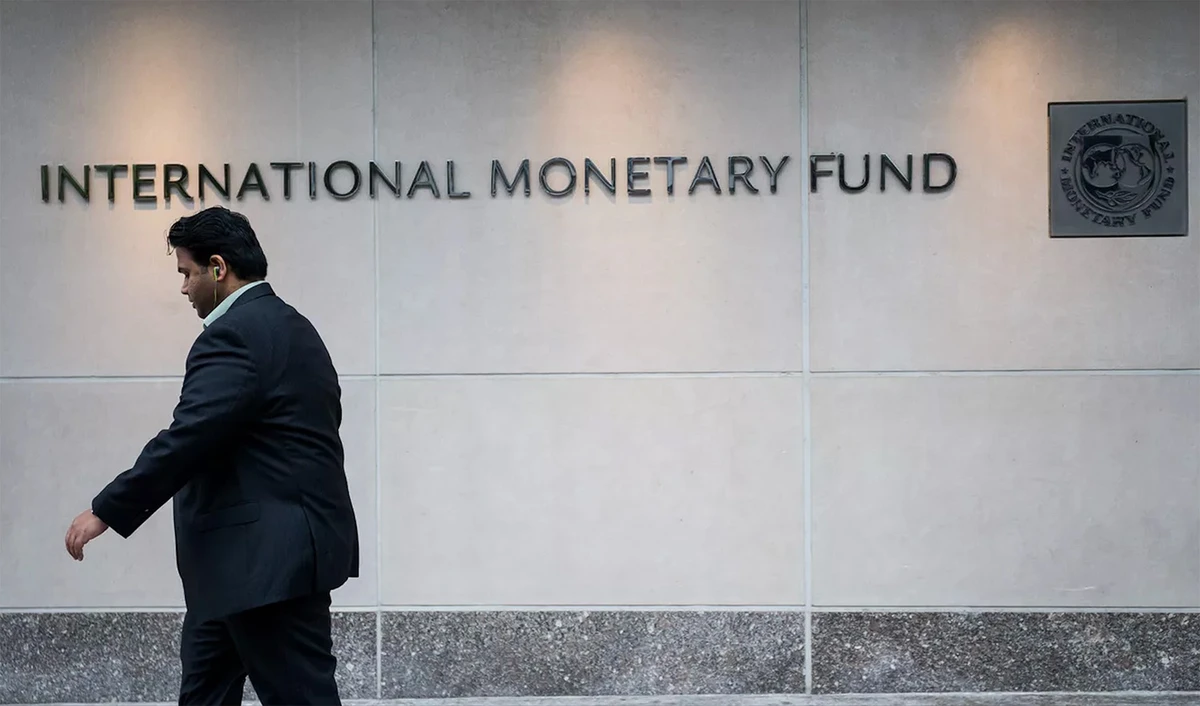
ISLAMABAD: The International Monetary Fund (IMF) said on Thursday its mission would visit Pakistan on January 31 to discuss a stalled loan program, as Islamabad desperately seeks another loan tranche to shore up its foreign exchange reserves which have declined to a staggering $3.6 billion.
Islamabad has been actively looking for external financing from friendly nations and international lending agencies amid a mounting current account deficit and depleting forex reserves. The IMF program requires Pakistan to implement strict economic reforms.
Pakistan's dwindling forex reserves have complicated problems for a country already grappling with soaring inflation, a huge current account deficit and rising external financing requirements. Earlier this week, Prime Minister Shehbaz Sharif said Pakistan had given a "clear message" to the IMF that it was ready for the ninth review of its loan program. He said Islamabad wanted to hold talks with the international lender so Pakistan can move forward.
"At the request of the authorities, an in-person Fund mission is scheduled to visit Islamabad January 31st – February 9th to continue the discussions under the ninth EFF review," the IMF said in its statement.
The IMF said its mission would focus on policies to restore domestic and external sustainability in Pakistan, including to strengthen the fiscal position with "durable and high quality measures" while supporting the vulnerable and those affected by the floods.
The lender further said the mission would also focus on restoring the viability of the power sector and reversing the "continued accumulation of circular debt"; and re-establishing the proper functioning of the FX market, allowing the exchange rate to clear the FX shortage.
"Stronger policy efforts and reforms are critical to reduce the current elevated uncertainty that weighs on the outlook, strengthen Pakistan’s resilience, and obtain financing support from official partners and the markets that is vital for Pakistan’s sustainable development," it said.
Pakistan's low reserves have compelled the government to restrict the import of goods, including industrial raw materials, to stop dollar outflows, while commercial banks have stopped issuing letters of credit (LCs), leaving importers struggling to arrange the greenback for already placed orders.
On Thursday, the Pakistan rupee witnessed its biggest fall in a single day in over 24 years, as it depreciated by over 9 percent against the US dollar. The move toward a market-based exchange rate takes Pakistan one step closer to the revival of a stalled bailout program as it is one of the conditions that the IMF has set before it agrees to unlock more funds.
Previously, against IMF advice, Finance Minister Ishaq Dar has tried to defend the rupee, including currency market intervention.