- Some vehicles carrying cargo through Iran to countries in Central Asia or Turkiye were allowed to pass on Wednesday
- Traders in the southwestern Balochistan province say Pakistani importers and exporters ‘have lost billions of rupees’
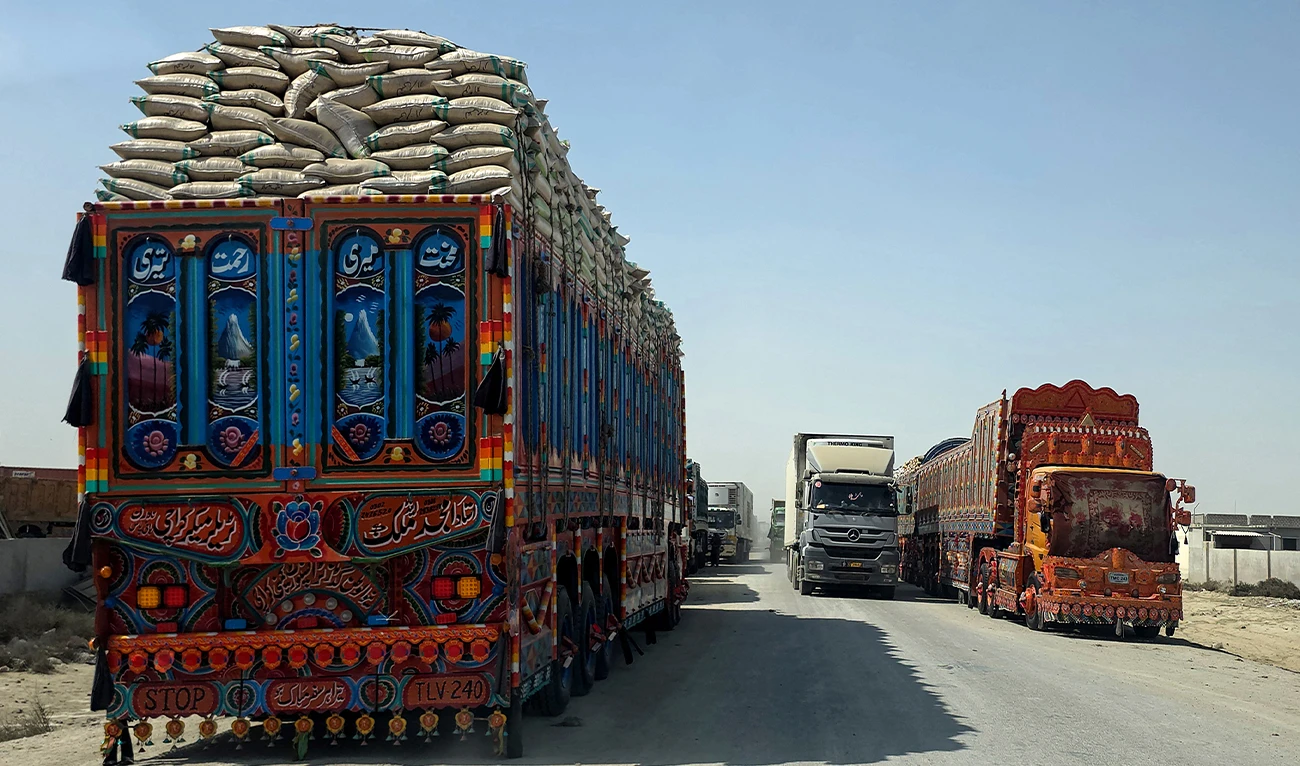
GABD: Hundreds of trucks queued at the Pakistani side of border crossings with Iran on Wednesday after trade between the two countries was suspended, a provincial official and business leaders told AFP.
At the Gabd-Rimdan border crossing on Pakistan’s southwest frontier, an AFP journalist saw hundreds of heavy goods vehicles waiting to cross into Iran. Drivers complained of waiting for days to enter carrying goods destined for the Islamic republic.
Abdul Ghani, a 28-year-old truck driver, said drivers were facing “severe difficulties” from the days-long border closure.
“We have no drinking water and no proper facilities for food or other basic necessities,” Ghani added.
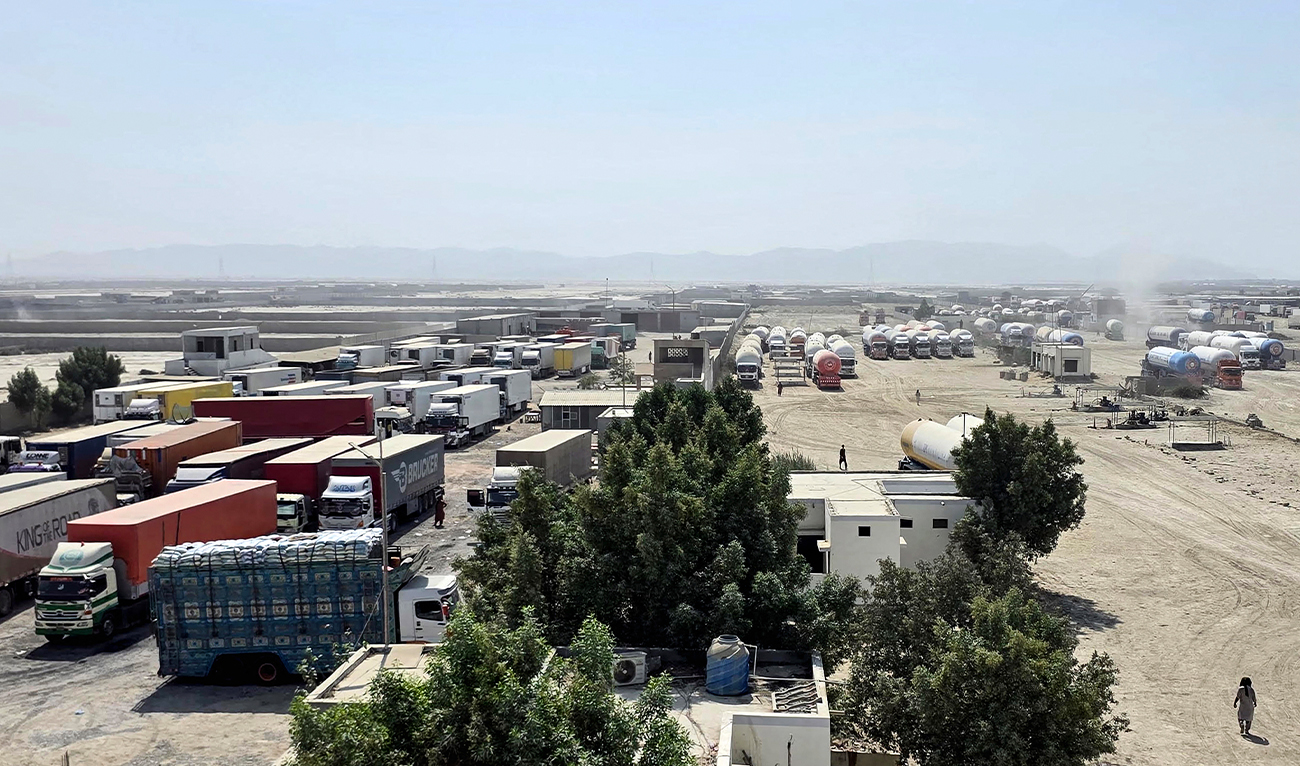
Azeem Khan, another truck driver stuck in the queues, urged authorities to re-open the border as soon as possible and restore trade “so that people can earn their livelihoods again and be protected from further financial losses.”
“Everyone, especially Baloch traders and workers, is being affected by this situation. People’s losses are increasing day by day,” the 32-year-old said.
An official for the border province of Balochistan, speaking on condition of anonymity because he was not authorized to talk to media, said the frontier had been shuttered to trade between Pakistan and Iran for five days.
The official said the border had been closed to all goods headed into Iran, but on Wednesday some vehicles carrying cargo through Iran to third destination countries in Central Asia or Turkiye had been allowed to pass the frontier.
On Saturday, Shahid Rind, a Balochistan provincial official, said in a statement the border closure would be “temporary” and aimed to “address security concerns” and “curb smuggling.”
Pakistan’s foreign ministry declined to comment on the border situation, and the interior ministry did not respond to a request for comment.
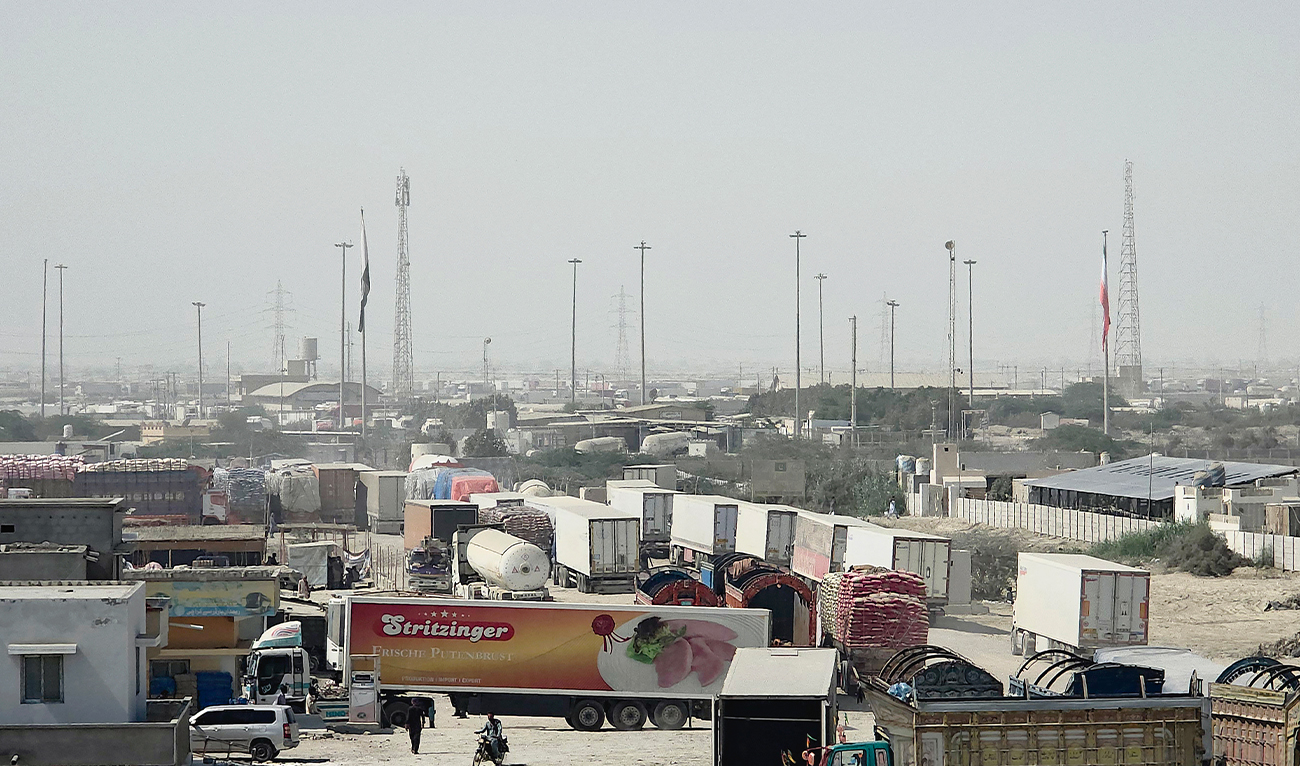
Ghafoor Hoath, president of the Balochistan Border Trade Association confirmed to AFP the frontier was closed for trade between Iran and Pakistan, but an exception had been made for transiting goods.
Shams Ul Haq, a trader from Gwadar city on Pakistan’s southwest coast, said “importers and exporters of Pakistan have lost billions of rupees due to this policy.”
Pakistan’s army chief, Field Marshal Asim Munir, whose country has attempted to mediate a peace deal in the Middle East war with Iran, traveled to Tehran on Tuesday.
Iranian state television reported Iran’s security chief Mohsen Rezaei told Munir Tehran would not proceed with negotiations with Washington until trust had been re-built.
The Middle East war began in late February when the United States and Israel attacked Iran.