- Negative outlook reflects growing risks to Pakistan's external liquidity position over next 12 months
- Inflation, tighter global financial conditions and weak rupee reasons for assigning negative outlook
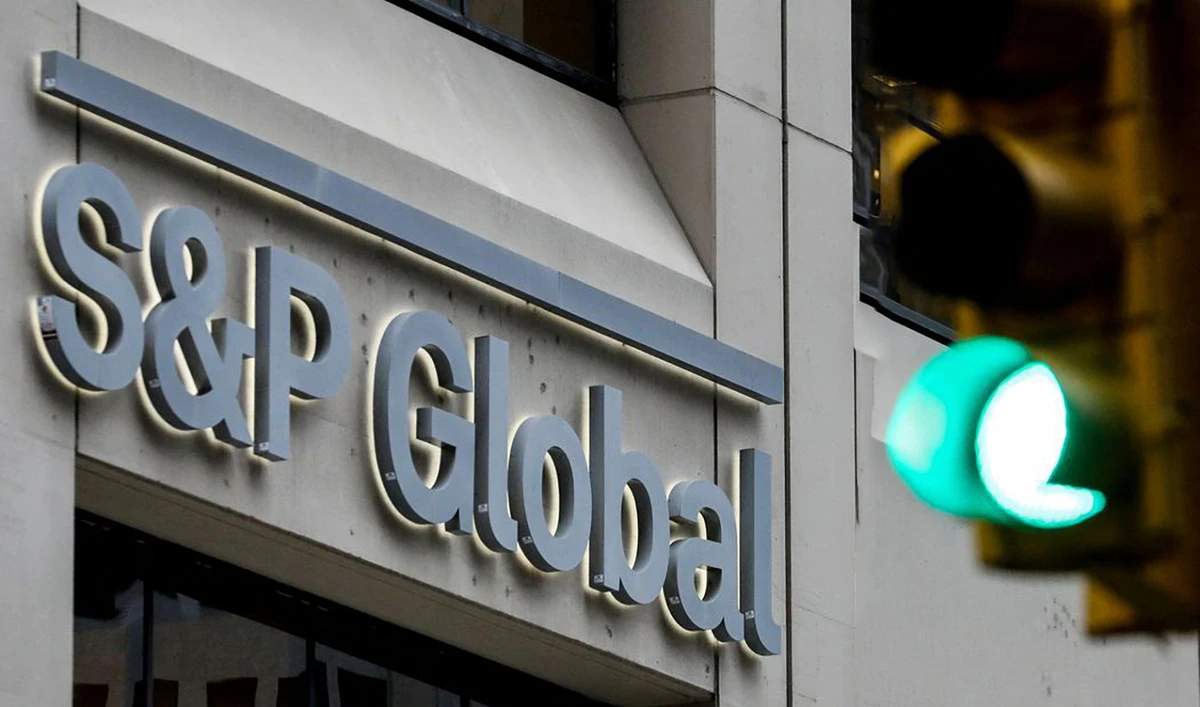
ISLAMABAD: American credit agency S&P Global on Thursday downgraded Pakistan’s outlook on long-term ratings from stable to negative, saying that it reflected growing risks to the country's external liquidity position over the next 12 months.
Cash-strapped Pakistan, with foreign reserves below $10 billion and a widening current account deficit, is desperately trying to revive a $6 billion loan programme with the International Monetary Fund (IMF). As Islamabad anxiously awaits the disbursement of $1.2 billion, experts warn the country may be heading towards a balance-of-payments crisis.
In June, international credit agency Moody’s downgraded Pakistan’s outlook from stable to negative, citing “external vulnerability risk” and the South Asian country’s inability to secure additional external financing.
“On July 28, 2022, S&P Global Ratings revised the outlook on Pakistan's long-term ratings to negative from stable,” the agency said, adding that it has also affirmed 'B-' long-term and 'B' short-term sovereign credit ratings on Pakistan and 'B-' long-term issue rating on Pakistan's senior unsecured notes and sukuk trust certificates.
“The negative outlook reflects growing risks to Pakistan's external liquidity position over the next 12 months amid an increasingly difficult economic landscape,” it added.
It said Pakistan’s rating could be further lowered if the country’s external indicators continued to deteriorate to the extent that Islamabad’s commitments appeared to be unsustainable in the long term.
It said downward pressure on the ratings would emerge if bilateral and multilateral partners’ financial support for Pakistan erodes and the country’s usable foreign exchange reserves fall further “to levels indicating distress in servicing Pakistan's external debt obligations.”
S&P Global explained that rising prices of commodities in Pakistan, tighter global financial conditions, and a weakening rupee were the main reasons for assigning Pakistan the negative outlook.
“The Pakistan government has considerable external indebtedness and liquidity needs, and an elevated general government fiscal deficit and debt stock,” the agency said, adding that the risk of continued deterioration in key metrics is rising.