- PM announced on Friday his government was imposing a 10 percent super tax on major Pakistani industries
- Finance minister says will bring builders, car dealers, restaurants into tax net as well
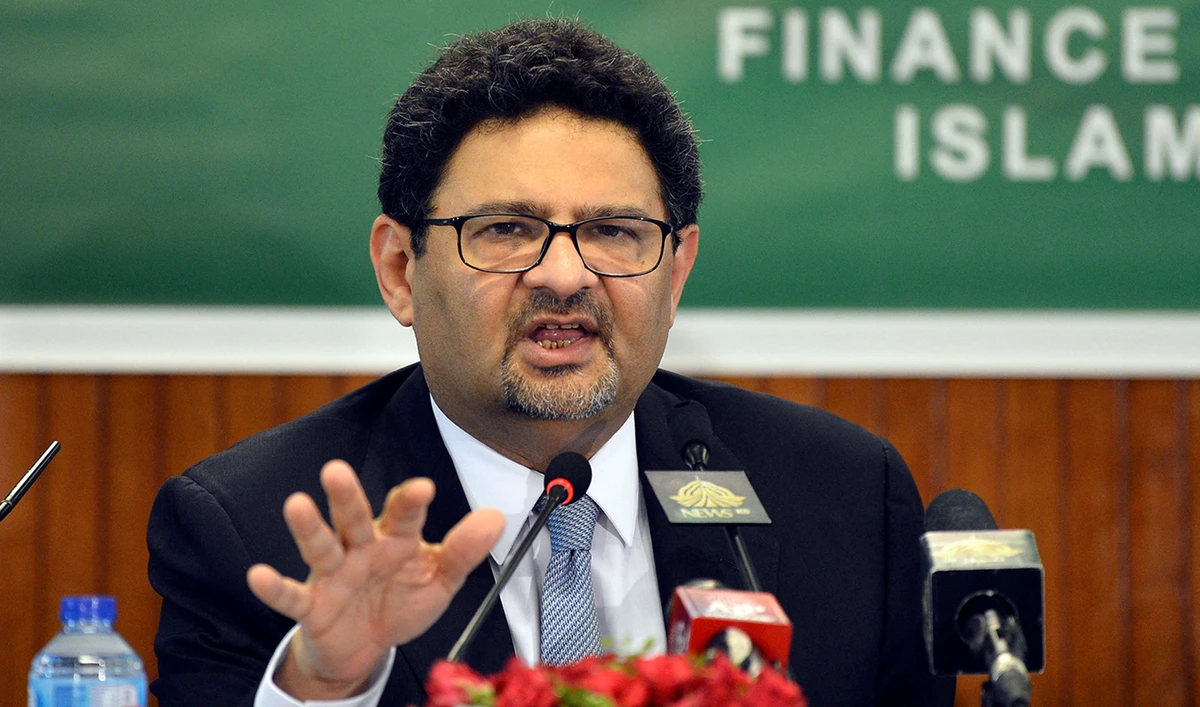
ISLAMABAD: Pakistan’s Finance Minister Miftah Ismail said on Saturday the government would in the next couple of months try to expand the country’s tax net, a day after it announced a super tax on major industries to bring its fiscal deficit under control.
Prime Minister Shehbaz Sharif on Friday said his government was imposing a 10 percent super tax on major Pakistani industries, including cement, steel, sugar industry, oil and gas, fertilizers, LNG terminals, textiles, banking and automobile, and cigarette manufacturers, urging the affluent to help the poor as Pakistan grapples with double-digit inflation.
Following the prime minister’s announcement, Ismail said a new fixed tax scheme will also be introduced for shops not included in the tax net. Small shops will pay a fixed tax of Rs3,000 ($14.5) and big retailers Rs10,000 per month, he said, adding that salaried persons earning an annual salary of Rs600,000 to Rs1,200,000 would pay a 2.5 percent tax on income.
In a series of tweets on Saturday, the minister said the government was “gently” bringing millions of shops into the scheme and would do the same with lawyers, designers, doctors and people of other professions.
“Now I will bring in real estate brokers, builders, housing society developers, car dealers, restaurants, salons etc in the net. But nothing forced. With consultation,” he said.
Pakistan has always struggled to collect tax. The Federal Board of Revenue (FBR) said in October last year it received only 2.6 million tax returns in the country with a population of over 220 million.
The South Asian nation has been desperate to stabilize its volatile economy, as its foreign reserves have fallen below the $10 billion mark —barely enough to cover import payments for 45 days.
For months, the government has been trying to revive a $6 billion International Monetary Fund (IMF) bailout program, after talks were suspended in February when former prime minister Imran Khan announced subsidies for the oil and power sectors.
Officials have said that ongoing negotiations between Islamabad and the fund have shown progress, but no agreement has been reached so far.