- Pakistan’s inflation rate eases to 23.2% after 47-year high of 27.3% in August 2022
- Data shows inflation decline came after a 65.3% cut in electricity charges in September
KARACHI: Pakistan’s inflation rate has declined to 23.2 percent in September 2022 on a year-on-year basis, official data showed as experts warned on Sunday that inflationary trend in the country will continue for the rest of the year.
The monthly inflation rate, measured through the Consumer Price Index (CPI), increased to 23.2% in September 2022 compared to a whopping 27.3% the previous month and 9% in September 2021.
On a month-on-month basis, inflation decreased by 1.2% in September 2022 as compared to an increase of 2.4% in the previous month and an increase of 2.1% in September 2021, according to data released by the Pakistan Bureau of Statistics (PBS) on Saturday.
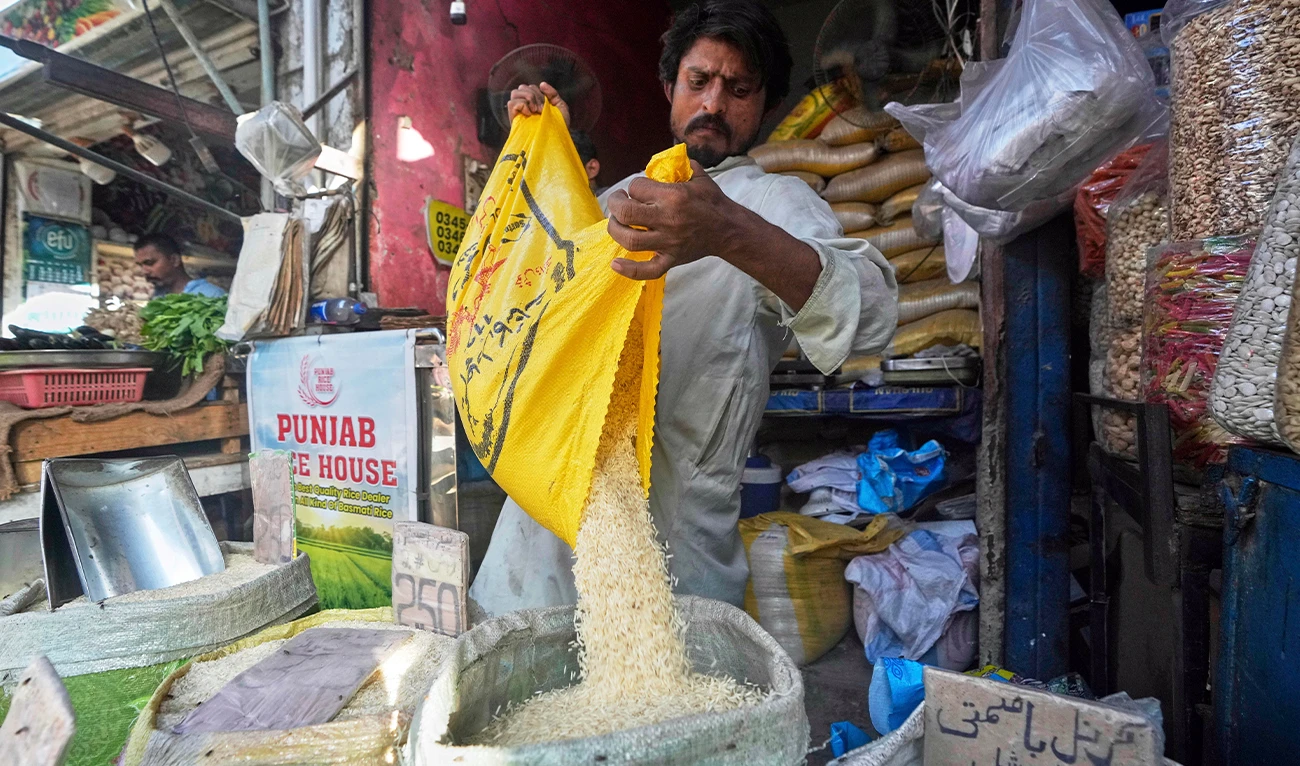
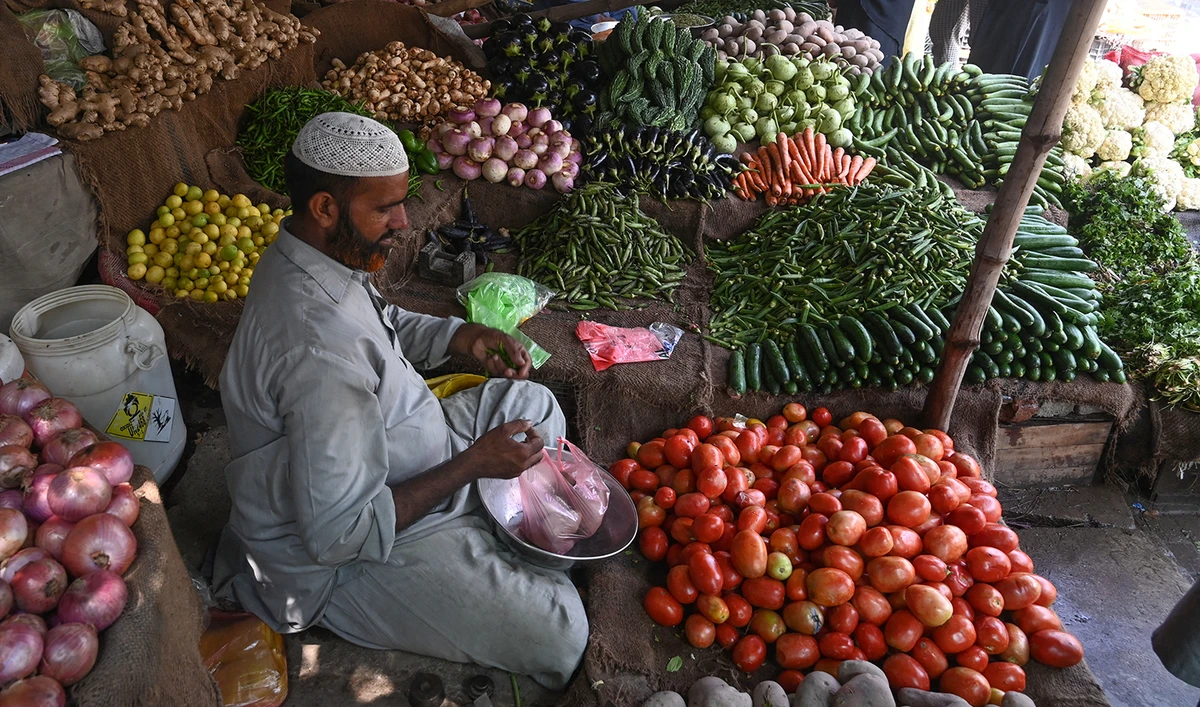
As per the data, prices of food items, including tomatoes, increased by 33.86% during September 2022 and other vegetables by 22.7%, wheat by 15.35%, eggs 14.20%, and chicken by 13.05%.
However, the PBS data shows a major decline in electricity charges, which decreased by 65.33% in September 2022 and 30.48% on an annual basis.
Despite inflation easing off, Pakistan’s finance ministry and financial experts warned the inflationary trend will continue for the rest of the year.
“Overall inflationary trend will continue due to the increase in global commodity prices, depreciation of Pakistan’s national currency against other currencies and the impact of floods,” Samiullah Tariq, director of research at the Pakistan Kuwait Investment Company, told Arab News on Sunday.
Pakistan has set an 11.5% inflation target for the current fiscal year while the central bank hasforecast the rate would remain in the 18-20 percent range. Experts saythe rate would remain elevated.
“The average inflation [rate] for FY23 would remain above 22-23% also due to the impact of floods,” Tariq said.
Farhan Mahmood, head of research at Sherman Securities, said prices of commodities including those of energy products in the international market have declined by 36%.
However, Pakistan’s finance ministry issued a similar warning: inflation will not ease off even after prices of commodities have slashed in the international market.
“Even if international commodity prices would mean-revert in the near future, domestic inflation may still suffer from delayed adjustments and second-round effects,” the ministry said in its monthly report.
“Also, the depreciation of the rupee continues to exert upward pressure on domestic prices,” it added.
Experts doubted the accuracy of the PBS data which showed electricity charges declined by a massive 65.3% in September and remained 30.5% lower than last year.
“Inflation is not correctly measured in Pakistan and there are some obvious discrepancies,” Dr Ikram ul Haq, a Lahore-based senior financial expert, told Arab News on Sunday.
“PBS has claimed that electricity charges dropped by 65.3% in September, compared to August 2022—lowered by 30.5%, compared to September 2021,” he said.
“The fact is that in September, consumers received excessive bills—double or even more—, as the tariff base was increased by Rs3.50 per unit as per the deal with the International Monetary Fund, besides passing on the impact of the fuel price adjustment,” Haq added.
Dr Haq said high inflation, “rather hyperinflation in Pakistan, has multiple factors.”
“The irrational taxation of the energy sector and inefficient administrative structures are the main culprits,” he said. “Money in circulation is another critical factor. It is obvious that unless fundamental structural reforms are taken, inflation will remain in double digits.”