- Rupee hits 149.50 in interbank market before closing at 147.66 against US dollar compared to Thursday’s close of 146.52
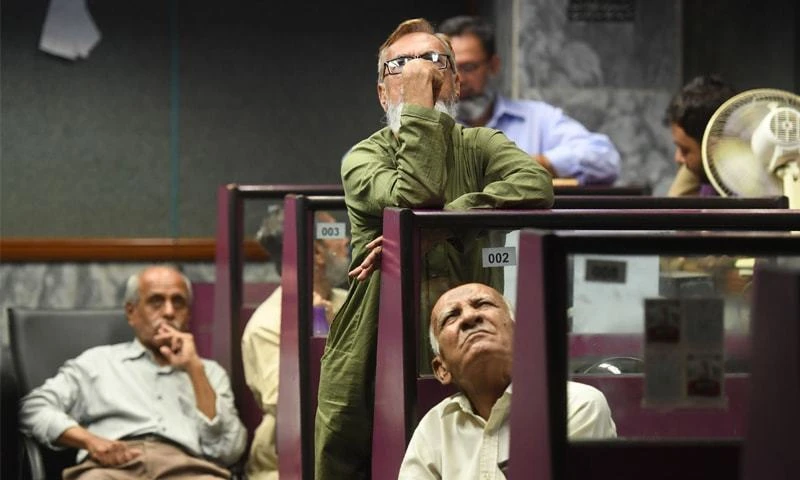
- Pakistan Stock Exchange’s benchmark index falls by 804 points on Friday
KARACHI: The Pakistani currency fell further against the dollar on Friday, ending the day in the interbank market at 147.66 against Thursday’s close of 146.52 against the US dollar, dealers said.
The continuing devaluation comes less than a week after Pakistan signed a bailout deal with the International Monetary Fund that comes with strict reform conditions, including to maintain a free-floating exchange rate. The rupee has depreciated by 4.4 percent since the IMF and Pakistani authorities agreed to a bailout package on Sunday.
The Pakistani rupee, in the open market, on Friday closed at 151 against the dollar as compared to Thursday’s close of 147, the Exchange Companies Association of Pakistan data said.
Taking cue from the currency market, the stock market also shed 804 points on Friday, falling due to the devaluation of the rupee for the last two working days, an expected hike in the policy rate in the next monetary policy meeting on Monday and selling pressure from mutual funds (net selling of $14mn in 4 sessions).
“Rupee free fall against the dollar, falling foreign exchange reserves, likely surge in state bank policy rate announcement on May 20, concerns over IMF conditions and targets for the federal budget for fiscal year 19 played a catalyst role in bearish close,” said Ahsan Mehanti, the Chief Executive at Arif Habib Corporation.
“This movement reflects demand and supply conditions in the foreign exchange market,” the State Bank’s chief spokesman said in an emailed statement on Thursday. “It will help in correcting market imbalances.”
Market participants expect a further policy rate hike in the wake of the IMF agreement as the central bank is scheduled to announce the monetary policy for the next two months on Monday.
“The central bank is expected to increased 100 basis points bps 11.75 percent,” Muhammad Sohail, CEO of Topline Securities, told Arab News.
With inflation running at more than 8%, a weaker currency is likely to add to pressure on household budgets, particularly on power and gas bills, where the government faces growing pressure to allow regulated prices to rise.
The International Monetary Fund and Pakistan reached a “staff level agreement” on Sunday for a $6 billion bailout package following months of negotiations on a deal that aims to bolster Pakistan’s flagging economy and perilously low foreign exchange reserves.
Talks with the IMF began soon after Khan’s government was appointed last August but a package has been held up by differences over the pace and scale of reforms that Pakistan would be required to undertake.
The IMF has pressed Pakistan to improve tax revenue collection, bolster foreign currency reserves and narrow a current account deficit expected to top 5 percent of gross domestic product this year.
The Fund has also pushed Pakistan to embrace a flexible rupee policy. Pakistani officials fear these steps will further hurt economic growth, cause of spike in the key interest rate and push the Pakistani rupee further down.