- Investors fear higher import bill after worst floods kill over 1,300 people and submerge one-third of the country
- Initial estimates have put losses from floods at more than $10 billion, according to Pakistani government officials
KARACHI: Pakistan’s currency and stocks on Monday closed bearish amid fears of huge financial losses and slow global response, analysts and traders said, as the South Asian country reels from a climate disaster of biblical proportions.
The Pakistani currency lost 0.40 percent of its value as the dollar closed at Rs219.86 on Monday, compared to the previous close of Rs218.98 on Friday, according to the central bank data.
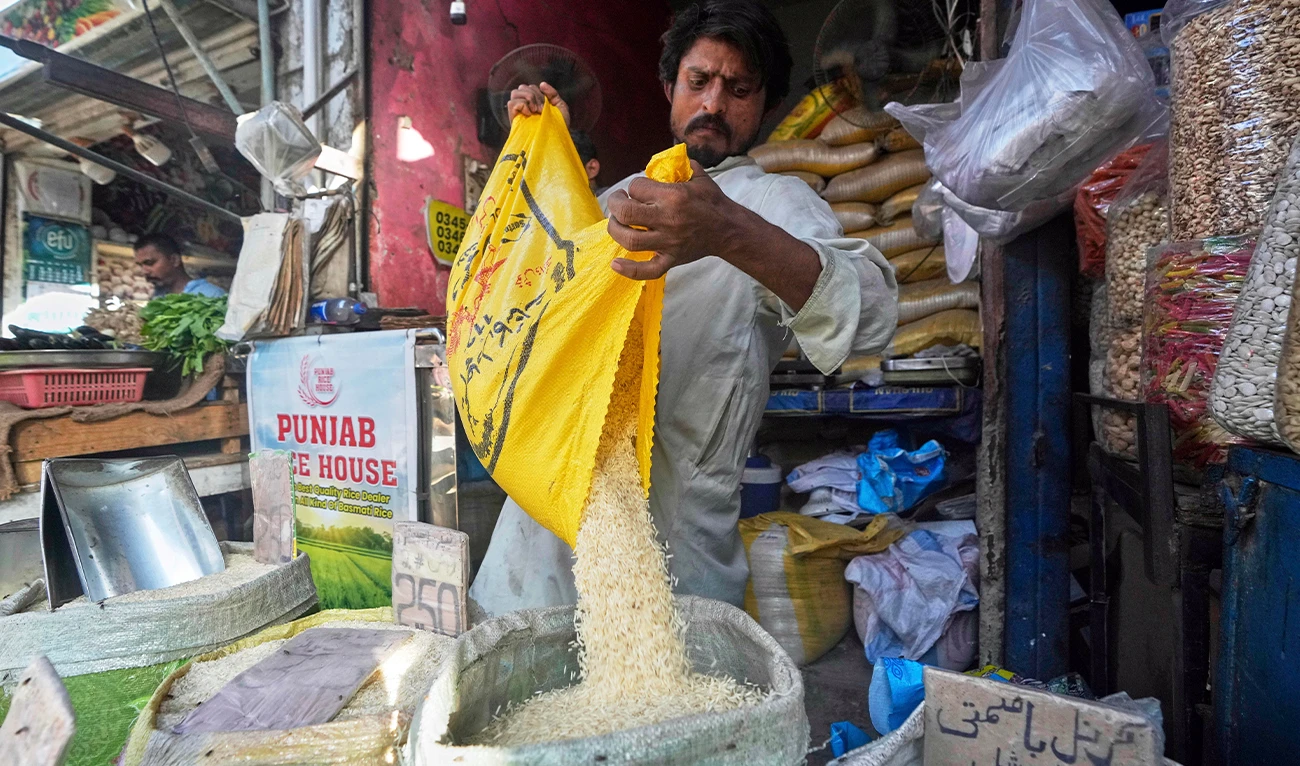
“After the [resumption of] International Monetary Fund (IMF) program, rupee was expected to show some strength but the flood losses have again put the rupee under pressure as investors fear rising import bill,” Samiullah Tariq, a research director at the Pakistan-Kuwait Investment Company, told Arab News.
“Floods have damaged crops that will now be substituted through imports. The impact of imports on balance of payments is expected to be around $2.5 billion.”
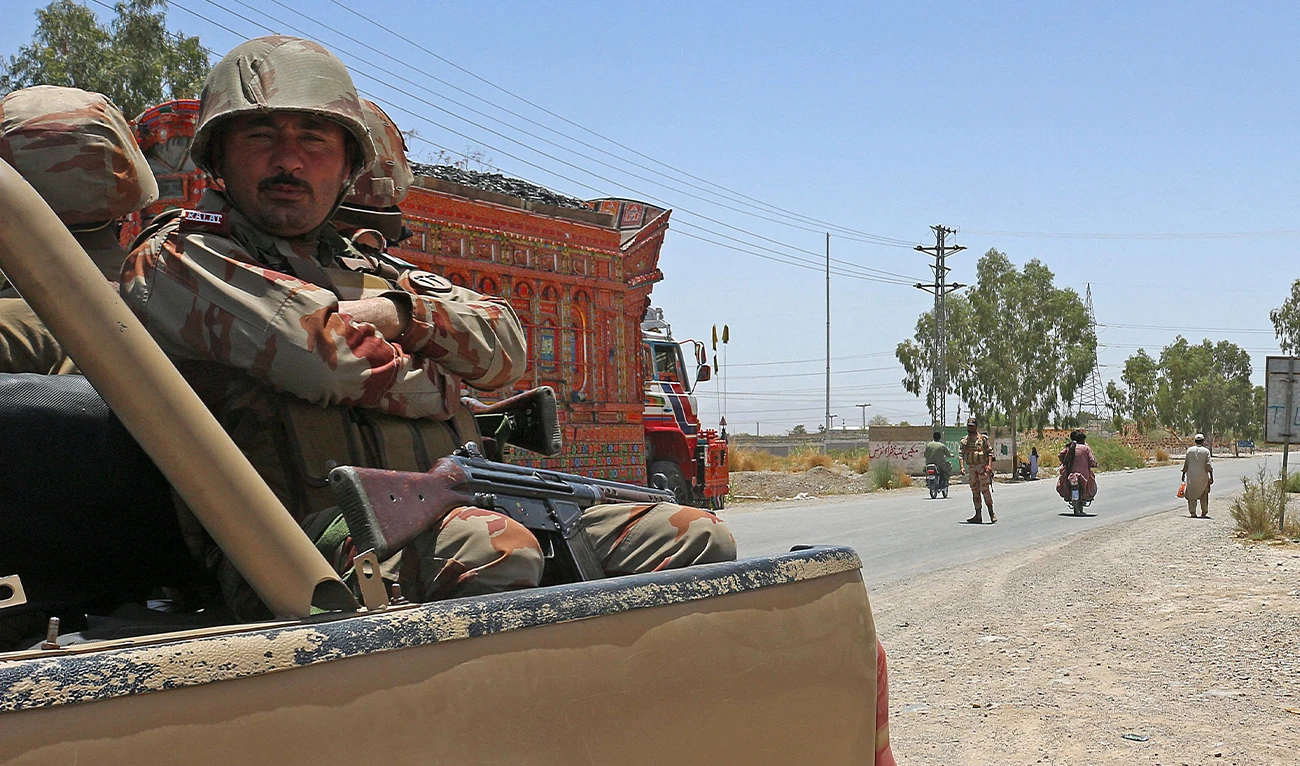
A third of Pakistan is submerged under water after having witnessed record rains since the onset of monsoon season in mid-June. The calamity has killed 1,314 people, including 458 children, destroyed 1.7 million houses and impacted more than 33 million people, according to the National Disaster Management Authority (NDMA).
Pakistani officials, seeking aid from the international community, have said that losses from floods were expected to exceed $10 billion.
“Preliminary estimates say about $10 billion of damage has jolted economy of Pakistan,” the Pakistani planning ministry said on Twitter, quoting Planning Minister Ahsan Iqbal as telling members of the US Congress, AI Green, Tom Suzzoi and Sheila Jackson, at a meeting in Islamabad.
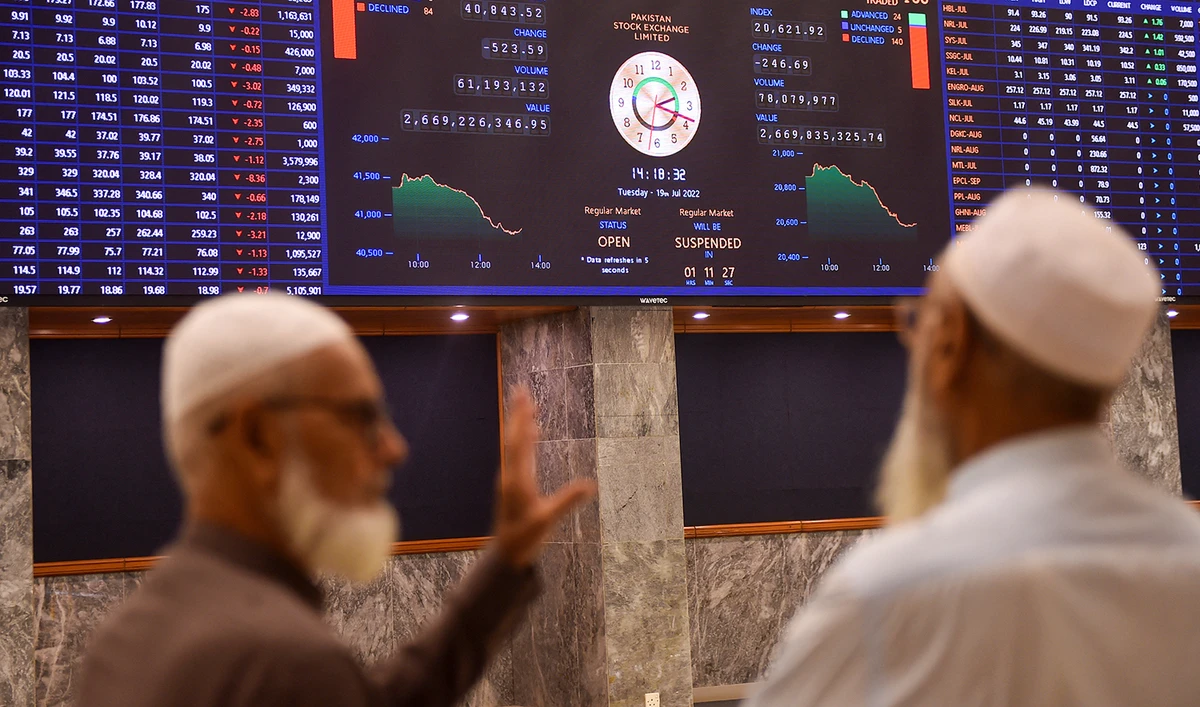
Equities in Pakistan also closed negative after the benchmark index shed 449.9 points to close at 41,859 points on Monday, as investor remained sidelined on fears of flood losses and soaring inflation.
“Stocks witnessed bearish activity on investor concerns for reports of lower economic growth and flash flood losses amid higher inflation,” said Ahsan Mehanti, CEO of Karachi-based Arif Habib Corporation holding firm.
“Weak global equities, dismal data on cement, oil and fertilizer sales in August 22 and falling rupee played a catalyst role in the bearish close of stocks.”
The South Asian nation of over 220 million people reported a 27 percent inflation rate in August — the highest in last 47 years — while the weekly inflation has surged to a record 45.5 percent.