- Pakistan says it is continuing to cultivate institutional mechanism with Afghanistan to deal with cross-border incidents
- The foreign office spokesperson calls it the responsibility of both countries to protect civilians living along the border
ISLAMABAD: Pakistan's foreign office spokesperson Mumtaz Zahra Baloch said on Thursday her country was in touch with the interim administration of Afghanistan to deal the recent surge in militant and cross-border violence while hoping that Kabul would not allow its territory to be used against other countries.
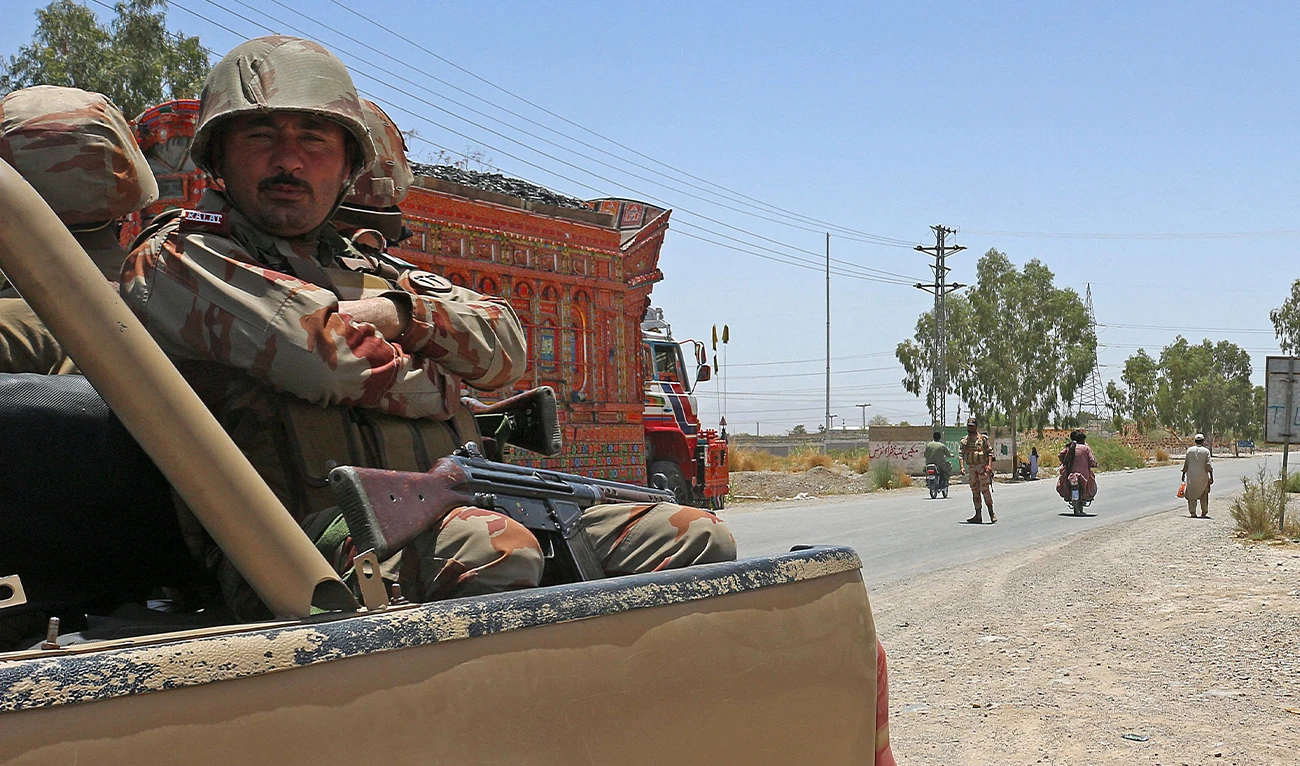
Last week, Pakistani officials blamed the Afghan Taliban for targeting its civilian population with mortar shells near the southwestern Chaman border crossing. Prior to that, Pakistan was forced to shut down the same border area after armed men targeted its security personnel from the other side of the frontier.
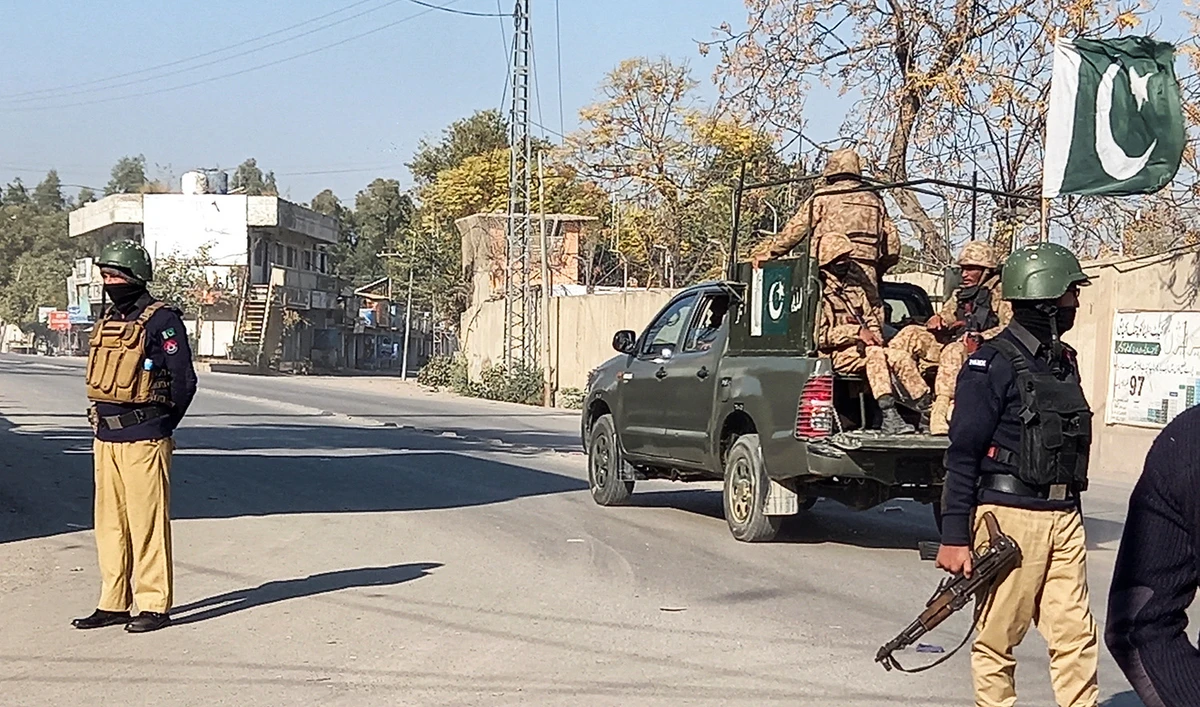
Pakistani officials have also complained about growing militant activities in areas adjoining Afghanistan where a proscribed network, Tehreek-e-Taliban Pakistan (TTP), has launched several attacks in recent weeks.
The top TTP leadership is also said to be based in Afghanistan.
"We have agreed to continue to establish institutional mechanism with Afghanistan to prevent such [cross-border] incidents," the Associated Press of Pakistan (APP) news agency quoted the spokesperson as saying in response to a question about the recent developments near the Chaman border crossing during a weekly news briefing.
She noted the protection of civilian population on both sides of border was the responsibility of the two countries.
Baloch said she was optimistic the Afghan authorities would fulfil their commitments made to Pakistan of not allowing "their territory to be used against its neighbor."
Asked if Pakistan was taking China's help to counter TTP, she said the administration in Islamabad had close relations with the authorities in Beijing, adding: "We consult each other on all matters of interest including counterterrorism and on the situation in Afghanistan."
Pakistan's foreign minister Bilawal Bhutto-Zardari maintained earlier this week the recent TTP actions had become an "absolute red line" for the state, adding the government would look at all options to ensure the safety and security of its people.
Analysts believe that the proscribed militant outfit has been emboldened after the return of the Afghan Taliban in power.
The two groups retain their separate identities, though the TTP is said to be ideologically inspired by the religiously conservative administration in Kabul.