- Newer aircraft would help the airline connect more cities and navigate the impact of Pakistan’s ban on use of its airspace
- The airline has embarked on a multi-billion-dollar transformation program covering fleet renewal, cabin upgrades and network
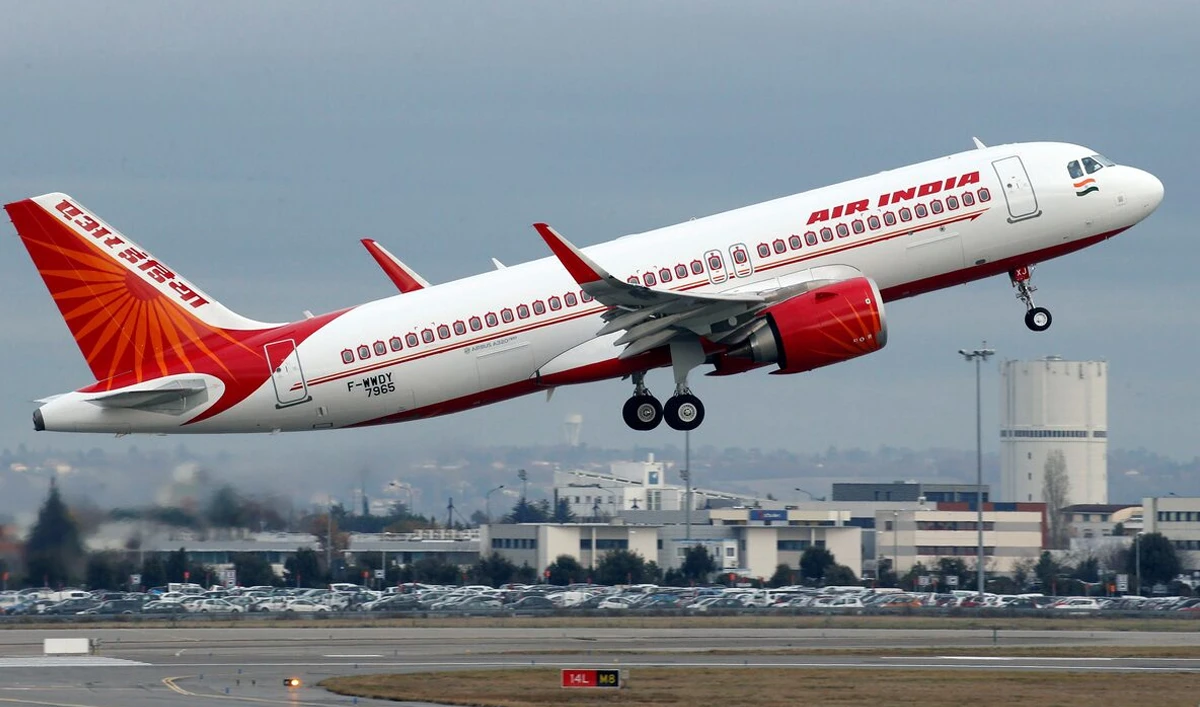
Air India wants to increase an order for wide-body aircraft as it seeks to boost international passenger traffic, Chief Executive Tewolde Gebremariam said on Tuesday, adding the Tata Group-owned carrier would return to profitability “very soon.”
The comments come months after the former head of Ethiopian Airlines took charge of Air India, which is driving a sweeping turnaround while grappling with higher operating costs, geopolitical disruptions and losses.
“We want more wide-body aircraft,” Gebremariam said at the Aviation India event in New Delhi, signalling the airline’s ambition to further strengthen its long-haul fleet as it pursues overseas growth.
Air India has held talks with both Boeing and Airbus as it weighs the cost of running its older wide-body jets, said an industry source who sought anonymity for lack of authorization to speak to the media.
“The cost of operating old wide-bodies is high, and they’re not very efficient,” the source said, adding that newer aircraft would help the airline connect more cities and navigate the impact of Pakistan’s ban on use of its airspace.
“There are so many cities they don’t connect,” the source added.
Airbus said it does not comment on any discussion with its customers on their fleet plans, while Boeing did not immediately respond to a Reuters request for comment.
Tewolde did not respond when asked how many wide-body jets Air India seeks to order.
Since returning to the ownership of India’s sprawling Tata Group conglomerate in 2022, the airline has embarked on a multi-billion-dollar transformation program covering fleet renewal, cabin upgrades and network expansion.
Tata owns about 75 percent of Air India, with Singapore Airlines owning the rest.
It has been adding new aircraft and refurbishing older jets to improve service standards and compete more aggressively on international routes.