- Floods have emerged as an addition to the already rising woes of economic and political instability in the country
- Inflation in Pakistan hit a 47-year high of 27.3% in August before coming down to 23.2% in September
KARACHI: Pakistan’s microfinance sector is facing “enormous challenges” in the wake of recent floods and historic inflation that have dented the ability of small borrowers to repay loans, industry insiders told Arab News this week, saying they were hopeful the sector would be able to overcome the hurdles.
The Gross Loan Portfolio (GLP) of the microfinance sector increased by 14 percent to around Rs449 billion ($2 billion) by June 2022 from December 2021 and the sector posted growth of 8 percent in the second quarter of the year (Q2 2022) and 26 percent on a year-over-year basis. The number of loans disbursed in Pakistan also increased from 4.7 million to 5.2 million at the end of Q2.
However, just as the sector was on the path of recovery from the COVID-19 pandemic, torrential monsoon rains that began in mid-June and triggered floods across the country posed a fresh challenge to its growth.
“Just before the floods worsened the already ongoing financial crisis, the disbursement of microfinance loans in Pakistan increased by 14 percent,” Ghazanfar Azzam, president and chief executive officer of Mobilink Microfinance Bank, told Arab News.
“However, the post-flood situation poses an impediment to the prospects for the economy to boom as large parts of the government and private funds are expected to go into the rehabilitation and rebuilding process. The repayment of loans will be a challenge for low-income groups that make up a significant portion of borrowers.”
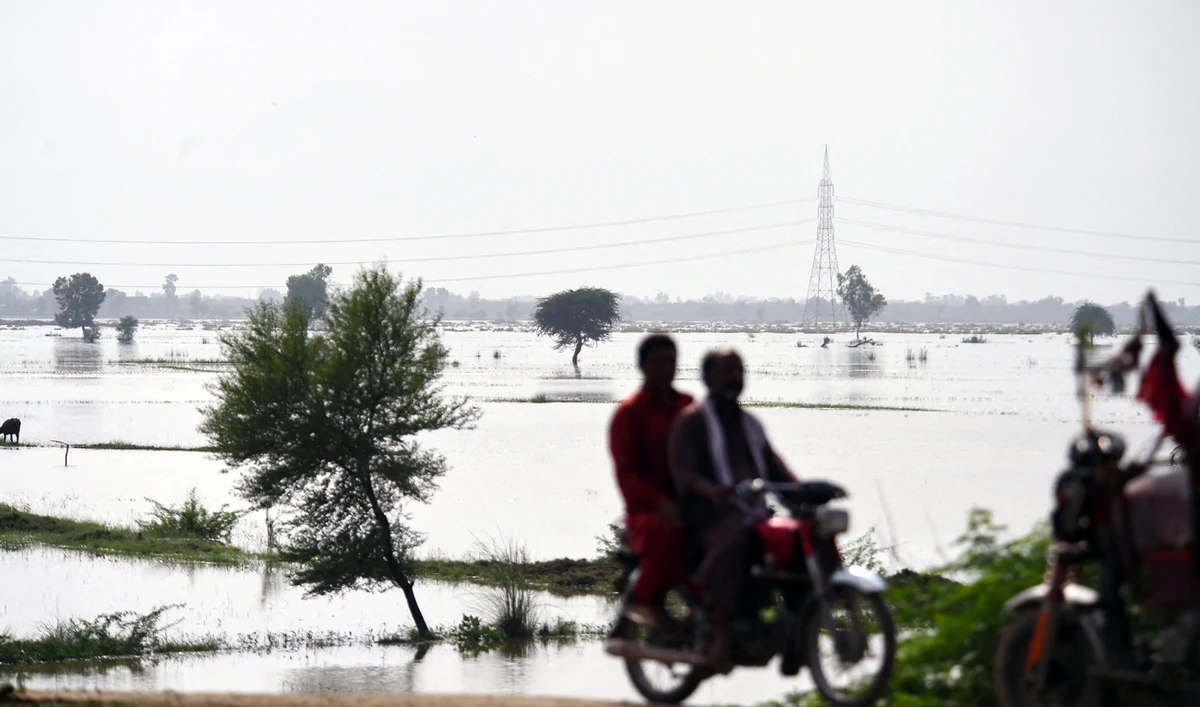
The climate-induced floods inundated a third of Pakistan and affected more than 33 million people, mostly in the southern Sindh and Balochistan provinces. Many small borrowers of microfinance institutions in flood-hit areas lost their entire businesses and livelihoods in the record-breaking floods that have caused $40 billion in damages according to the World Bank.
“The flash floods have emerged as an addition to the already rising woes of economic and political instability in the country,” the Pakistan Credit Rating Agency (PACRA) said in a recent report on the country’s microfinance sector. “One of the key risks associated to the disaster is the risk of non-recovery from customers belonging to areas that have undergone adversities due to the floods.”
Industry stakeholders, however, said they were hopeful the sector would withstand the challenges posed by the floods. The sector is divided into three segments, microfinance banks (MFBs), microfinance institutions (MFIs) and rural support programs (RSPs). There are 11 MFBs, 17 MFIs, fours RSPs in the country.
“While microfinance institutions (MFIs) witnessed major growth before the pandemic, the sector is not going slow even now, despite a myriad of challenges posed by COVID-19, business shutdowns, political and economic instability and the recent floods,” Azzam said.
Other stakeholders said Pakistan’s central bank and the microfinance industry were committed to the rehabilitation of affected borrowers.
“The State Bank of Pakistan, along with the microfinance industry, has agreed on a direction to ensure that rehabilitation of the affected customers is taken as a priority,” Kabeer Naqvi, president and chief executive officer of the U Microfinance Bank, told Arab News this week.
“This includes giving our clients more time to recover from the catastrophe — recover financially, as well as ensure that fresh financing continues to support them during rehabilitation. The financing will be a combination of agriculture, housing, and solar products.”
Some experts believe the microfinance sector will remain resilient as only a small volume of its portfolio is at risk.
“A very small portion of our portfolio is at risk … we will come up with customized tools in the areas where people are impacted,” said Zainab Saeed, chief strategy officer at Kashf, a Pakistani non-banking microfinance institution. “We will reschedule loans and also provide recapitalization loans for reestablishment of their business.”
Kashf has around 600,000 borrowers in 63 districts across Pakistan, with an outstanding portfolio of Rs20 billion ($90 million). And despite adverse conditions, Saeed said, the institution had opened new branches and more would be online by next year.
“One of the reasons why Kashf has taken a measured approach to its expansion under the circumstances is the rising inflation in the country,” she explained.
Inflation in Pakistan hit a 47-year high of 27.3 percent in August before coming down to 23.2 percent in September.
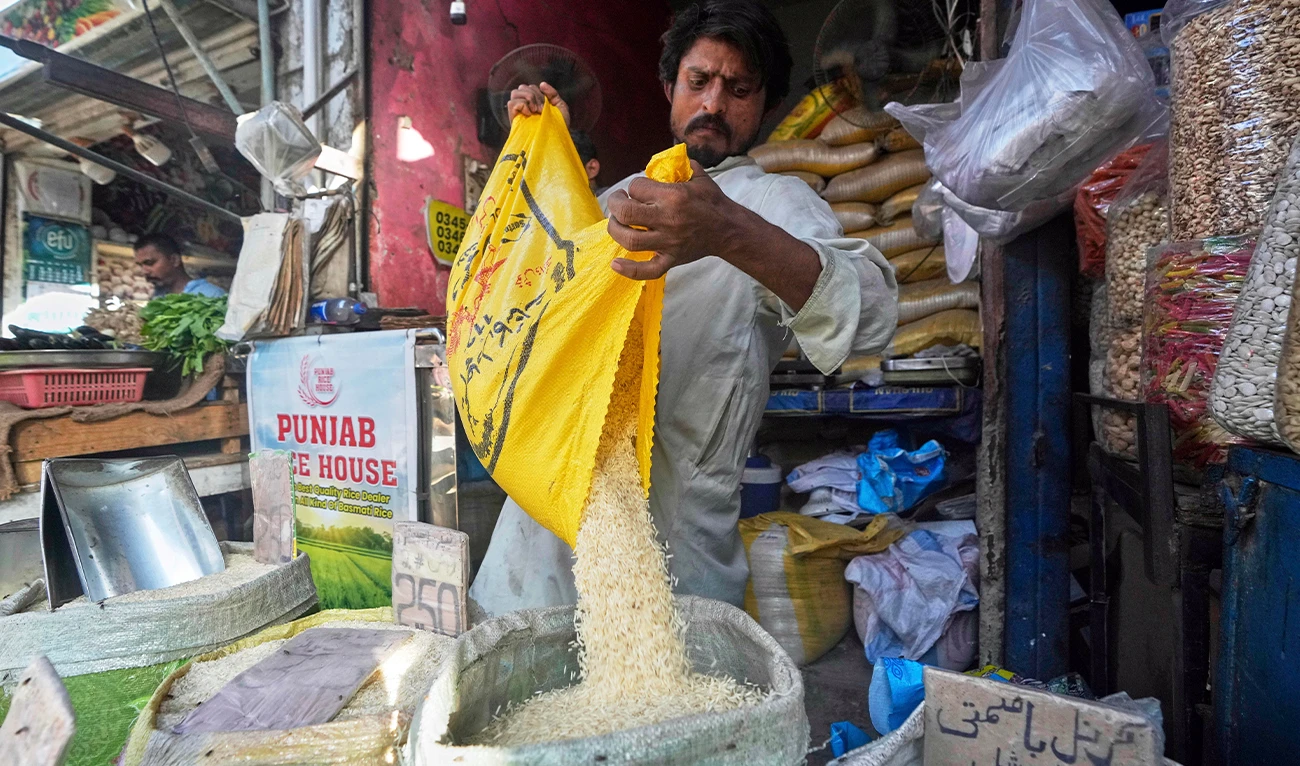
The higher inflation was eating up to 50 percent of the income of people, microfinance sector experts said.
“Low-income households spend a larger proportion of their incomes on food, and when food prices rise they have less money left for other things,” Saeed said.
Microfinance players also said the repayment cycle could improve if the borrowers were offered flexible options.
Microfinance institutions could carry out risk migration and manage challenges with good credit policy, transparency and client relations, Saeed added.
“Since microfinance serves a mix of low- and middle-income individuals and businesses,” Azzam said, “it is pertinent that the banks offer a variety of convenient, flexible and affordable financial services and not just loans.”