- Cash-strapped Pakistan was already facing a financial crisis before heavy monsoon rains hit in mid-June
- Islamabad is expected to sign an agreement, receive funds from the Asian Development Bank next week
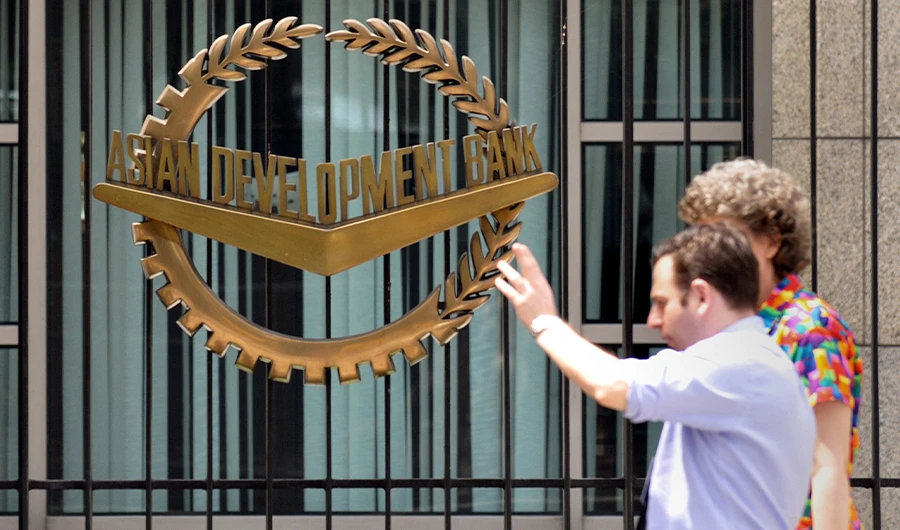
ISLAMABAD: The Asian Development Bank (ADB) on Friday approved $1.5 billion in financing to help Pakistan provide social protection, promote food security and support employment after devastating floods and amid global supply chain disruptions, the ADB and Pakistan officials said.
The cash-strapped South Asian country was already facing a serious financial crisis before the heavy monsoon rains hit in mid-June.
The rains triggered unprecedented floods that at one point left a third of the country's territory submerged, forcing hundreds of thousands of people to move to safer places.
Officials estimate the deluges have cost the country more than $30 billion in damages.
"The loan, provided under ADB’s Building Resilience with Active Countercyclical Expenditures (BRACE) Program, will help fund the government’s $2.3 billion countercyclical development expenditure program designed to cushion the impacts of external shocks, including the Russian invasion of Ukraine," the ADB said on its website.
"ADB’s $1.5 billion countercyclical support is part of a significant response package to support people, livelihoods, and infrastructure in Pakistan in the wake of the recent floods which have affected over 33 million people and caused extensive damage to infrastructure and agriculture."
Pakistan's finance minister, Ishaq Dar, also confirmed the development in a Twitter post.
He said the signing of an agreement in this regard and the release of funds was due next week.
Tariq Niazi, an ADB director, said the program would help Pakistan deal with the impact of immediate shocks to the economy, while, in parallel, continue the structural reforms that are necessary to improve the country’s medium- to long-term macroeconomic prospects.
“We are working closely with the International Monetary Fund and other development partners to ensure that our support through policy dialogue, technical assistance, and program lending is well-coordinated and that, ultimately, we are able to help the government improve Pakistan's resilience to shocks,” he added.