Three recent drone strikes by the United States in Afghanistan and Pakistan, which killed important Pakistani militants, has created an opportunity for easing the tensions in Islamabad-Washington relations and paving the way for improved ties.
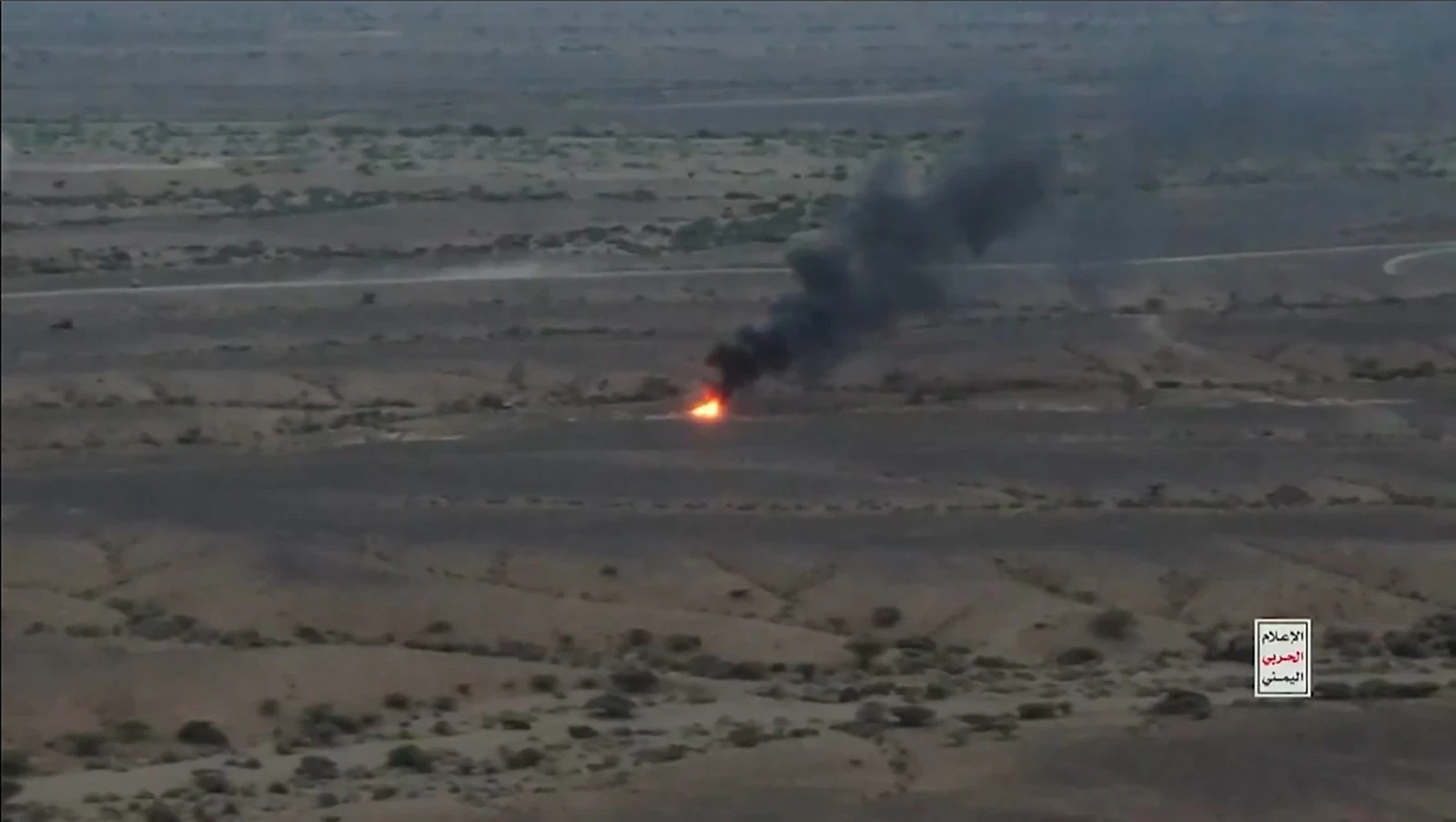
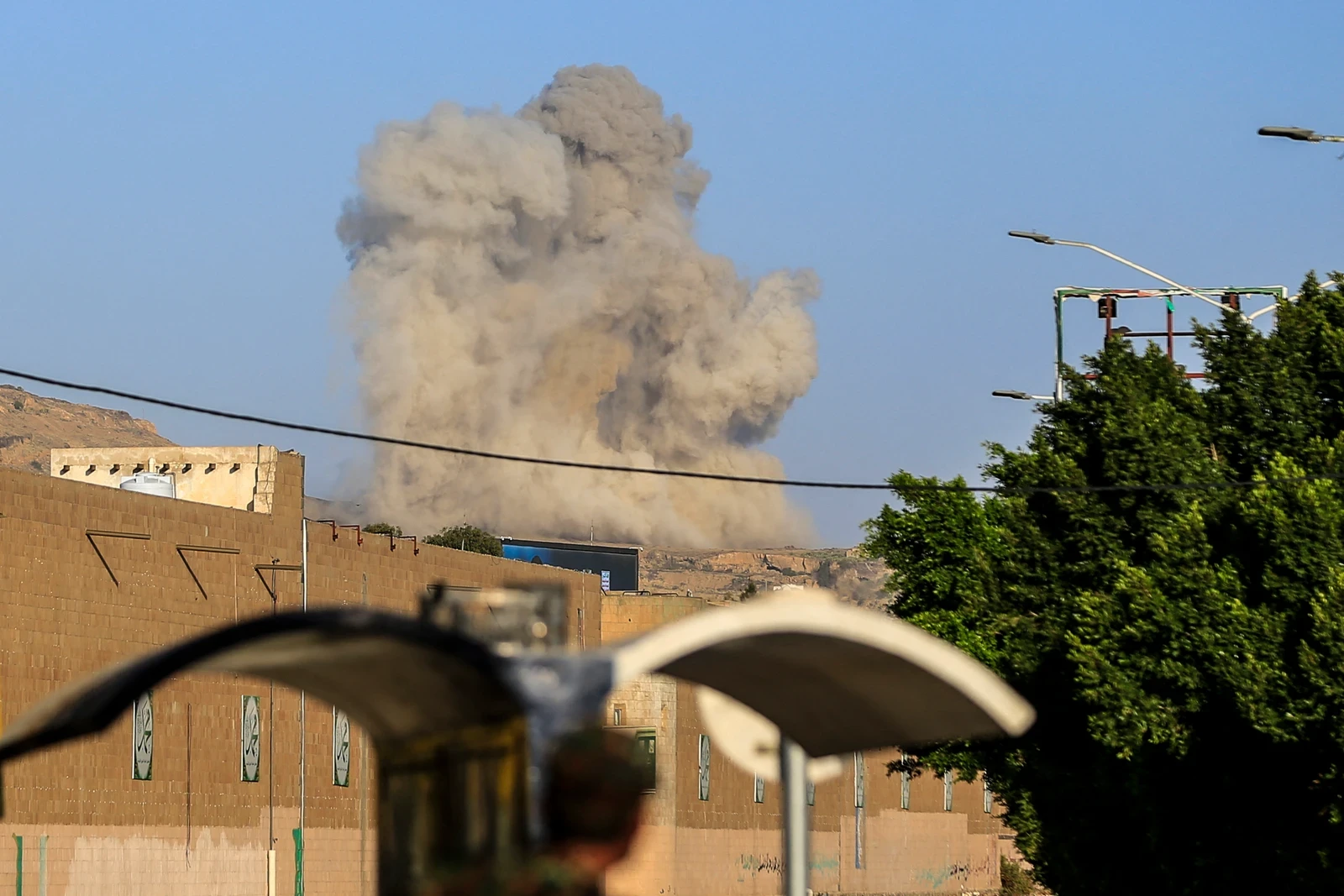
The first strike targeted a convoy of vehicles in Afghanistan’s eastern Kunar province on June 13 and killed, among others, the leader of the Pakistani Taliban, Mullah Fazlullah. He had been the head of the outlawed militant group Tehrik-i-Taliban Pakistan since November 2013, when his predecessor Hakimullah Mehsud was killed in a US drone strike in Pakistan’s North Waziristan tribal region. Fazlullah had escaped to Afghanistan in May 2009, when Pakistan’s security forces launched a massive military operation against militants in Swat and the Malakand region in Khyber Pakhtunkhwa province.
On July 3, another US drone strike in Kunar province reportedly killed Umar Rehman, aka Fateh, a close aide to Fazlullah and operational commander of the TTP. He had been tipped as one of the leading contenders to succeed Fazlullah after the latter’s death. Instead, another TTP commander and ideologue, Mufti Noor Wali Mehsud, was chosen as the group’s new chief.
The third drone attack by the US took place a day later in Pakistan’s North Waziristan. It targeted and killed Qari Abdullah Dawar, a known Pakistani militant affiliated to Hafiz Gul Bahadur’s group, which was earlier in partial control of North Waziristan but had fled to Afghanistan after the launching of Operation Zarb-e-Azb in June 2014.
Though unmanned aerial vehicles, or drones, operated by the US in Afghanistan and Pakistan since 2003 have killed many Pakistani militants, striking three top targets in the space of less than a month was surprising considering the strained relations between Islamabad and Washington. It is an indication that the US is willing to go all out against the most wanted Pakistani militants, particularly those based in Afghanistan, where Pakistani forces cannot operate.
As Fazlullah was Pakistan’s most wanted man, his death removed a potent threat and brought a sense of relief in Pakistan. The US was able to oblige Pakistan, which had earlier complained that the Americans weren’t doing enough to neutralize the militants and their allies who were threatening Pakistan from their safe havens in Afghanistan.
It is obvious the Trump administration was eager to remind Pakistan that, while it had taken steps to eliminate top militants threatening it, the US expected the Pakistani leadership to play its role in persuading the Taliban to join the Afghan peace process.
Rahimullah Yusufzai
It is rare for senior US officials to confirm the death of a terrorist, as they don’t usually talk about targeted attacks, particularly when they involve drones, but US Defense Secretary James Mattis apparently wanted to send a positive message to Pakistan when he publicly mentioned the role the US played in eliminating Fazlullah, pointing out that the American forces “engaged against the terrorists basically killed Fazlullah.”
The US made its first major move against Fazlullah in March by offering a $5 million reward for information leading to his arrest. At the time, it was alleged that Fazlullah’s group had “demonstrated a close alliance with Al-Qaeda” and given explosives training to Faisal Shahzad, the Pakistani-origin American who tried to explode a car bomb in New York’s Times Square in 2010.
The TTP under Fazlullah’s leadership had claimed responsibility for scores of terrorist attacks, including the attempt on the life of Malala Yousafzai in her native Swat in 2012, and the December 2014 carnage at the Army Public School in Peshawar, in which nearly 150 people, including 132 schoolchildren, were brutally killed.
Soon after Fazlullah’s death, the US sent its top diplomat for South Asia, Alice Wells, to Pakistan to call for “sustained and decisive steps” by Islamabad to bring Taliban leaders to the negotiating table for talks with the Afghan government. On the same trip, she also visited Kabul, where she said Pakistan needed to do more to restore peace in Afghanistan.
It is obvious the Trump administration was eager to remind Pakistan that, while it had taken steps to eliminate top militants threatening it, the US expected the Pakistani leadership to play its role in persuading the Taliban to join the Afghan peace process, or take action against those refusing to do so. In January, the US had suspended security assistance to Pakistan after accusing it of harbouring Afghan Taliban and Haqqani network leaders on its soil.
This consistent US pressure has prompted Islamabad to make a greater effort to improve its relations with Kabul and convince the Taliban leaders still based in Pakistan to enter into peace talks with President Ashraf Ghani’s government. It is widely believed Pakistan played a role in the Taliban’s decision to agree to an unprecedented three-day ceasefire during the recent Eid Al-Fitr holiday. However, the Taliban refused to extend the cease-fire and resumed fighting, much to the dismay of both Kabul and Washington. This has led to renewed US pressure on Pakistan to review its policy on the Afghan Taliban.
– Rahimullah Yusufzai is senior political and security analyst of Pakistan. He was the first to interview Taliban founder Mullah Mohammad Omar and twice interviewed Osama Bin Laden in 1998. Twitter: @rahimyusufzai1