Half a decade later, the group many feared for its insurgency then, and fear for its intimidation now, still wields power. Through onslaughts, obstacles and the edge of ruin, they remain in authority, whatever authority means.
When the Taliban seized Kabul in August 2021, Pakistan met the news with smiles and quiet acknowledgments of a win nobody wanted to say out loud. Islamabad’s protege had taken the throne. Pakistan could shape much of what happened inside the corridors of power in Kabul.
Like many love affairs, this one suffered distrust, betrayal, break-up, rebound, reconciliation and fights. The graph of the relationship has not been linear, not in the least, however much was expected of it.
Expecting a linear relationship from a non-linear history is naive.
- Naila Mahsud
As I warned earlier, it was never going to be simple. Kabul and Islamabad have never played simple. Too many groups to control, too many alliances and hostilities, too much face to save, and above all the weight of too much history. In the 1980s we were allies against the Soviets. In the 1990s, Islamabad backed different warlords and then the Taliban. After 2001, Kabul hosted India and Islamabad started acting with unprecedented vitality. Pakistan hosted millions of Afghan refugees and accused Kabul of harboring militants.
Both were convinced the other was playing a double game. Both were right and both were wrong. Shared religion, shared language and shared borders did not matter as much as expected.
Agreements were signed. Always. Promises were made on border management, on our soil will not be used as a launchpad for attacks against any country. Treaties were never enough to fix the mistrust.
2021 gave the Taliban a monopoly in Kabul, and Islamabad saw new hope for a new beginning. Instead the old problems acquired newer names. The border closed and reopened and closed again, for weeks at a stretch, over skirmishes. Business on both sides bled while negotiations dragged.
In 2023, Pakistan began deporting undocumented Afghans, a drive that Pakistani authorities say has since repatriated more than a million people. But the category did not hold. I watched people who had lived here for decades, whose children had never seen Afghanistan, being pushed across a border they did not know. People described police at the door. What I saw was fear, in people who had come here for protection. In Islamabad it was a security measure. In Kabul it was a betrayal.
At the same time, violence in Pakistan rose. Attacks were traced to Afghan soil and to TTP outfits operating from there. Kabul’s answer was that this was Islamabad’s internal matter, that Pakistan should account for the sanctuaries inside its own territory, or that it did not fully control groups the two had once jointly managed.
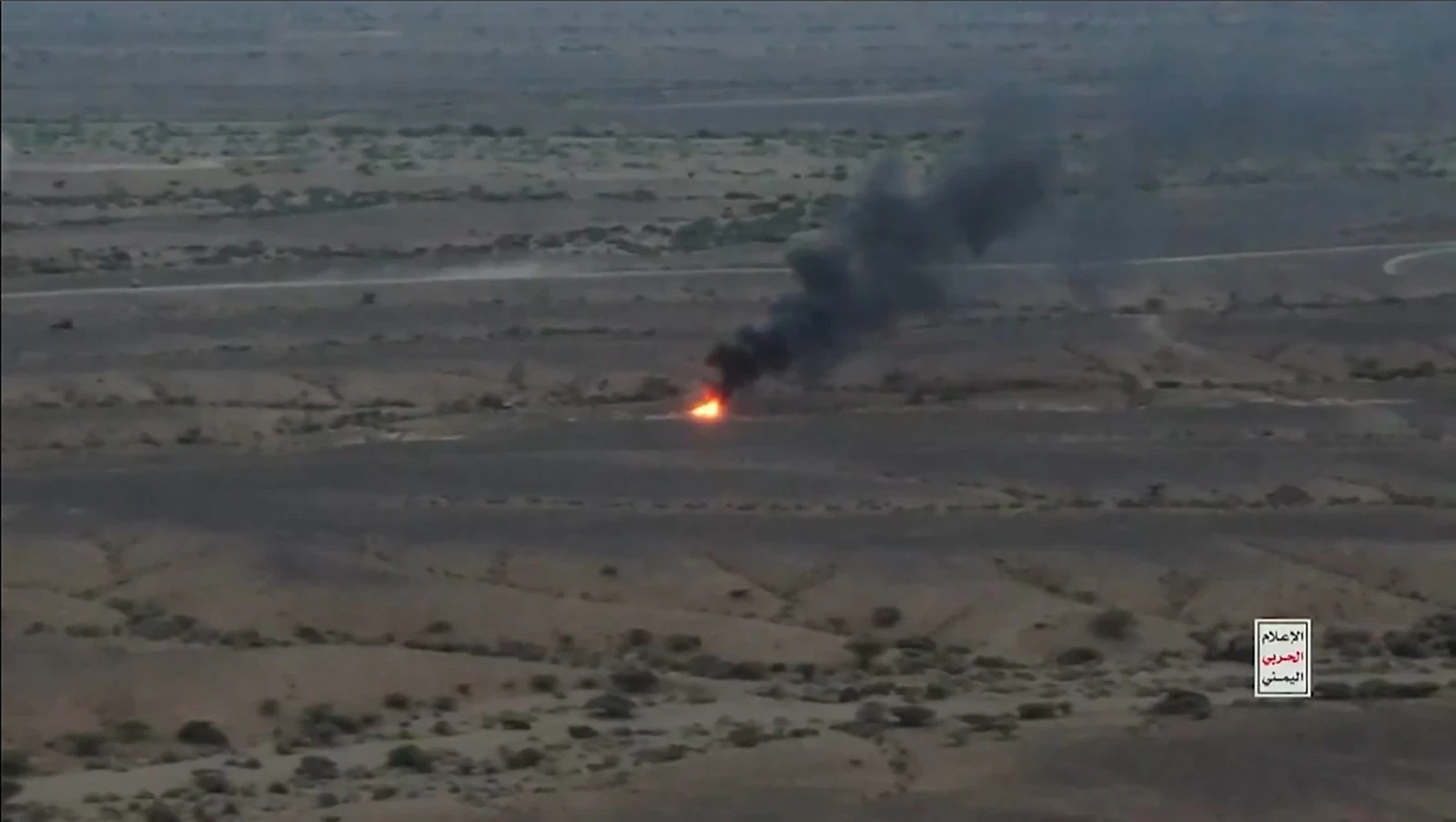
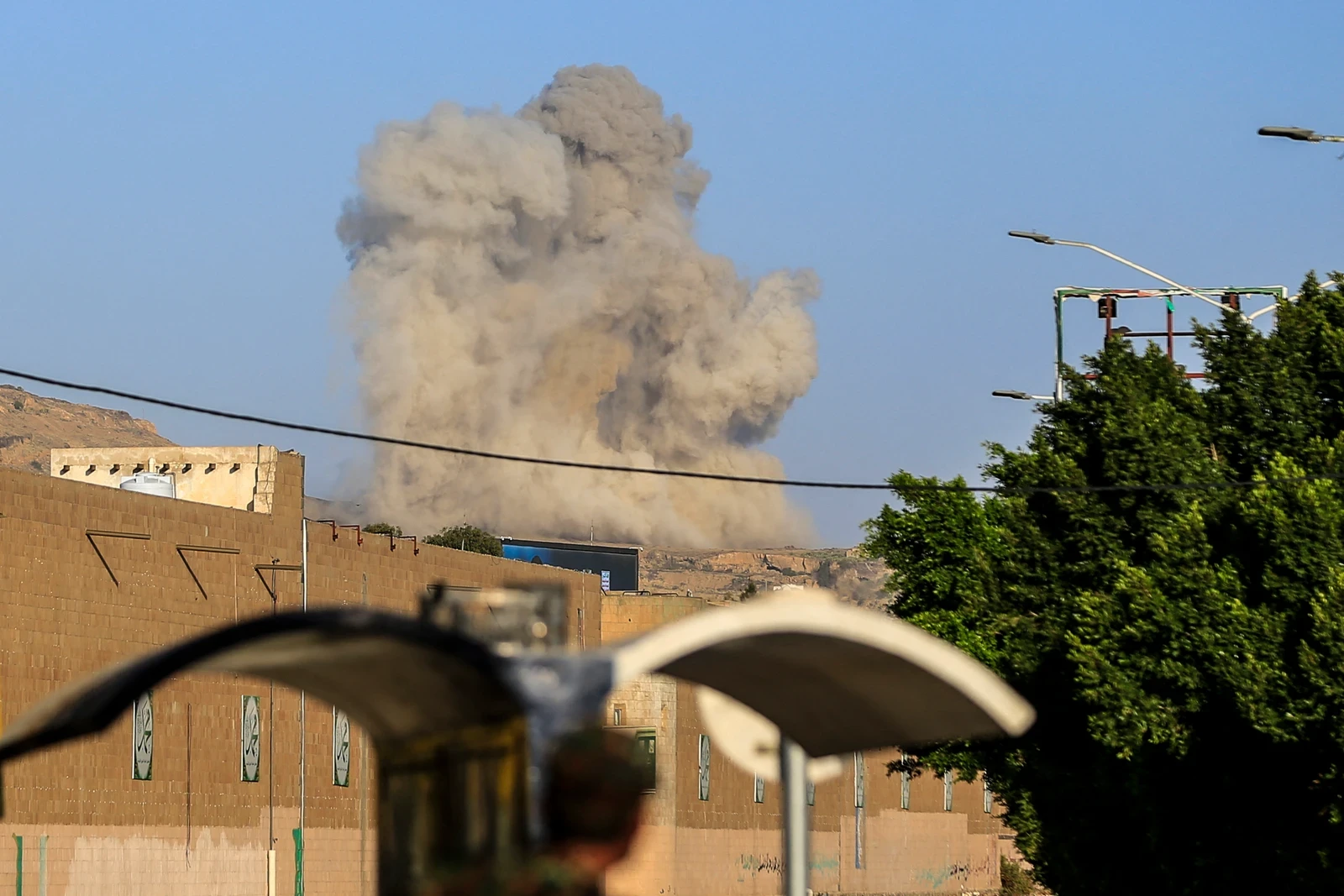
Then came the worst fighting in years. In October 2025 the foundations of the mentor and protege relationship shook harder. Islamabad carried out airstrikes inside Afghanistan, including in Kabul and Paktika, targeting TTP leadership. UNAMA reported that at least 70 Afghan civilians were killed in the last three months of 2025. In retaliation, Kabul attacked Pakistani military posts, and dozens were killed on both sides.
That violence forced mediation. Qatar and Turkiye invited both sides to Doha, where on October 19 they agreed to an immediate ceasefire, pledging to refrain from targeting each other’s forces, civilians and critical infrastructure. The follow-up talks in Istanbul collapsed at the end of October, and since then Pakistan has kept most border crossings with Afghanistan closed, disrupting trade and stranding thousands.
By February 2026, Pakistan had conducted fresh airstrikes inside Afghanistan, setting off weeks of cross-border fighting that many described as open war. The active combat has faded over the past few months, but what exists between the two states is, at best, a negative peace.
Since 2021, both sides have flown to Doha and elsewhere to negotiate. What is said in Doha is not applied in Kabul or Islamabad.
Islamabad holds more power over Kabul than any other state in the region. But it is difficult to discipline your neighbor when your own house is not in order.
Pakistan has managed Kabul for decades, and Kabul has always resisted that management in some capacity. For Islamabad, the paranoia is real. Dealing with one hostile front in the east is better than dealing with two. For Kabul, the memory of decades of interference is traumatizing, and holding some militants in reserve is safer than a crackdown and the backlash that follows.
Five years on, we are not at an ending. We are in the middle, and the middle with this neighbor will always be complicated. Expecting a linear relationship from a non-linear history is naive. Both states can keep running the same cycle, or accept that this will never be simple and learn to manage the complexity instead of each other.
Naila Mahsud is a Pakistani political and International relations researcher, with a focus on regional politics and security issues. X: @MahsudNaila