NEW YORK: PBS is conducting an internal review following revelations that producers of “Finding Your Roots” may have violated the network’s editorial standards after a request by Ben Affleck that the program not reveal he had a slave-owning ancestor.
Meanwhile, Affleck has expressed regret for seeking to have the information omitted from the episode that featured the actor and aired last October.
“We deserve neither credit nor blame for our ancestors and the degree of interest in this story suggests that we are, as a nation, still grappling with the terrible legacy of slavery,” Affleck posted on his Facebook page Tuesday night.
The review by PBS and New York station WNET began Saturday, according to a statement released Tuesday by PBS spokeswoman Anne Bentley.
“We have been moving forward deliberately yet swiftly to conduct this review,” she said.
In his Facebook post, Affleck acknowledges that, initially, “I didn’t want any television show about my family to include a guy who owned slaves. I was embarrassed.”
He says he lobbied Henry Louis Gates, the Harvard scholar who hosts and produces the show, “the same way I lobby directors about what takes of mine I think they should use.”
“It’s important to remember that this isn’t a news program,” Affleck said of “Finding Your Roots,” which traces the ancestry of well-known guests. “You voluntarily provide a great deal of information about your family, making you quite vulnerable.


Affleck regrets trying to hide slave-owning ancestors
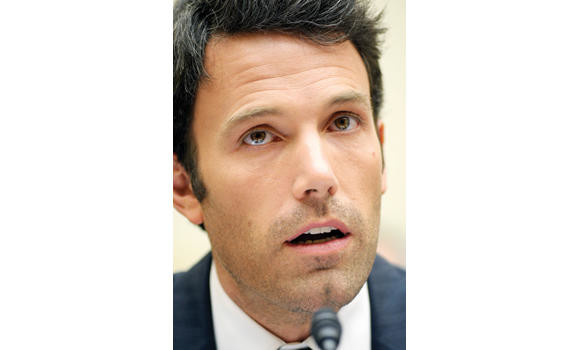
Affleck regrets trying to hide slave-owning ancestors

Christmas Eve winner in Arkansas lands a $1.817 billion Powerball lottery jackpot
- The winning numbers were 04, 25, 31, 52 and 59, with the Powerball number being 19
- The last time someone won a Powerball jackpot on Christmas Eve was in 2011, Powerball said
ARKANSAS, USA: A Powerball ticket purchased at a gas station outside Little Rock, Arkansas, won a $1.817 billion jackpot in Wednesday’s Christmas Eve drawing, ending the lottery game’s three-month stretch without a top-prize winner.
The winning numbers were 04, 25, 31, 52 and 59, with the Powerball number being 19. The winning ticket was sold at a Murphy USA in Cabot, lottery officials in Arkansas said Thursday. No one answered the phone Thursday at the location, which was closed for Christmas. The community of roughly 27,000 people is 26 miles (42 kilometers) northeast of Little Rock.
Final ticket sales pushed the jackpot higher than previous expected, making it the second-largest in US history and the largest Powerball prize of 2025, according to www.powerball.com. The jackpot had a lump sum cash payment option of $834.9 million.
“Congratulations to the newest Powerball jackpot winner! This is truly an extraordinary, life-changing prize,” Matt Strawn, Powerball Product Group Chair and Iowa Lottery CEO, was quoted as saying by the website. “We also want to thank all the players who joined in this jackpot streak — every ticket purchased helps support public programs and services across the country.”
The prize followed 46 consecutive drawings in which no one matched all six numbers.
The last drawing with a jackpot winner was Sept. 6, when players in Missouri and Texas won $1.787 billion.
Organizers said it is the second time the Powerball jackpot has been won by a ticket sold in Arkansas. It first happened in 2010.
The last time someone won a Powerball jackpot on Christmas Eve was in 2011, Powerball said. The company added that the sweepstakes also has been won on Christmas Day four times, most recently in 2013.
Powerball’s odds of 1 in 292.2 million are designed to generate big jackpots, with prizes growing as they roll over when no one wins. Lottery officials note that the odds are far better for the game’s many smaller prizes.
“With the prize so high, I just bought one kind of impulsively. Why not?” Indianapolis glass artist Chris Winters said Wednesday.
Tickets cost $2, and the game is offered in 45 states plus Washington, D.C., Puerto Rico and the US Virgin Islands.


