ANKARA: Iranian state-run media outlets have added $600,000 to a bounty for the killing of British author Salman Rushdie imposed in 1989 over the publishing of his book “The Satanic Verses.”
The leader of Iran’s 1979 revolution, the late Ayatollah Ruhollah Khomeini, issued a fatwa that called on Muslims to kill the author.
A wealthy Iranian organization offered $2.7 million reward to anyone carrying out the fatwa and in 2012 it increased the amount to $3.3 million.
The semi-official Fars news agency published a list of 40 news outlets adding to the pot. Fars itself earmarked $30,000.
“These media outlets have set the $600,000 bounty on the 27th anniversary of the fatwa to show it is still alive,” Mansour Amiri, organizer of a digital technology exhibition at which the money was announced this month, told Reuters.
In 1998, President Mohammad Khatami distanced itself from the fatwa, saying the threat against Rushdie was over after he had lived in hiding for nine years. The book’s Japanese translator was stabbed to death in 1991 and other people involved in publishing it were attacked. But Khomeini’s successor as Supreme Leader, Ayatollah Ali Khamenei, said in 2005 that the fatwa was still valid and three clerics called on followers to kill Rushdie.


![]()
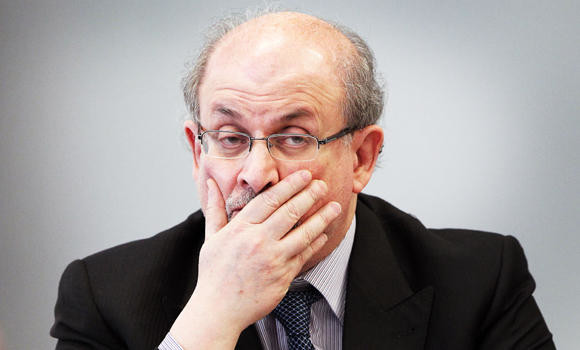
Iranian media outlets add to bounty for killing Rushdie
Iranian media outlets add to bounty for killing Rushdie
Latest updates


© 2026 SAUDI RESEARCH & PUBLISHING COMPANY, All Rights Reserved And subject to Terms of Use Agreement.