- Iran warns of a crushing response as Washington prepares sweeping sanctions
- Trump: Shifting to an economic war against Iran does not mean our military options are limited
WASHINGTON/DUBAI: US President Donald Trump said Iran was not ready to make the “right deal,” as Washington prepared to unveil what it described as unprecedented economic sanctions aimed at increasing pressure on Tehran nearly six months into the war.
“It just means that we’re seeing what happens,” Trump told reporters on Friday when asked whether US military options against Iran were limited.
“We have total control of that entire region having to do with the Strait of Hormuz, and that means well into it, the land areas,” he said. “So, they would love to make a deal, but they’re not ready to make the right deal, in my opinion.”
Trump’s comments came as US Treasury Secretary Scott Bessent said Washington would announce details on Monday of planned new financial penalties against Iran, after Trump warned of economic consequences for any country providing “any type of lifeline” to Tehran.
Iran responded defiantly, with the chief of staff of its armed forces, Major General Ali Abdollahi, warning that any new US threats would draw a broad and “devastating” response.
“With preparedness across land, sea, air, air defense and cyberspace, Iran’s armed forces will respond to the enemy’s new threats with crushing, punishing and devastating responses,” Iranian media quoted Abdollahi as saying.
Bessent told CNBC that Washington was preparing the toughest sanctions in history and added: “We are going to collapse this regime.”
Iran’s leaders, however, have sought to project confidence despite growing pressure on an economy already weakened by decades of sanctions, high inflation, a falling currency, energy shortages and damage to infrastructure during the conflict.
Parliament speaker Mohammad Baqer Qalibaf, who is also Iran’s main negotiator in mediated talks with Washington, said the United States appeared to have concluded that it could not prevail through direct military confrontation.
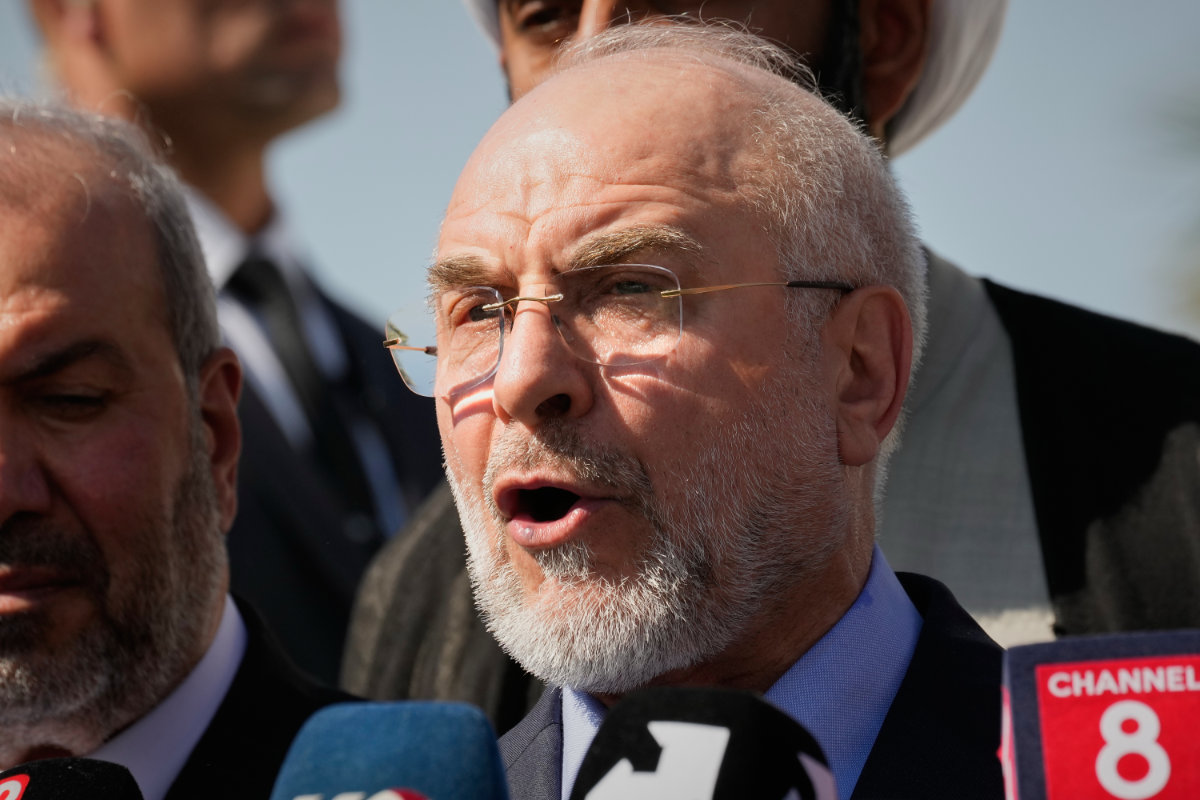
But he also acknowledged the economic strain, saying Iran would not survive on military strength alone if its people faced hunger and the country lacked financial turnover, economic growth and domestic production.
The conflict, launched by the United States and Israel nearly six months ago, has killed thousands and drawn other Gulf states into the fighting. US attacks have severely weakened Iran’s conventional forces and battered its economy, although Tehran retains sufficient missile and drone capabilities to threaten regional rivals and disrupt oil tanker traffic through the Strait of Hormuz.
Trump has yet to achieve some of the objectives he set at the outset of the war, including dismantling Iran’s nuclear program and creating conditions for the overthrow of the country’s clerical rulers. The conflict has also pushed up gasoline prices and weighed on his popularity, which fell to its lowest point of his current term in a Reuters/Ipsos poll this week.
Oil prices rose on Friday after the US threatened sanctions against Iran’s trading partners, raising expectations of tighter supplies.
China, which according to 2025 data from analytics firm Kpler buys more than 80 percent of Iran’s seaborne oil, urged diplomacy and rejected the effectiveness of sanctions.
“Sanctions and pressure do not help resolve the problem,” China’s embassy in Washington said.
Bessent said China, which gets about half its energy from the Gulf, had reason to cooperate with Washington, although further US economic pressure risked renewed tensions with Beijing.
The Strait of Hormuz remains a major source of concern. Before February, the strategic waterway carried about a fifth of globally traded oil, but the war has disrupted shipping and exposed US allies in the Gulf to Iranian attacks on energy facilities and desalination plants.
Washington and Tehran have twice announced ceasefire agreements, in April and June, aimed at restoring freedom of navigation through the strait. Iran and Oman have also held separate talks on resuming shipping, although the United States has opposed any arrangement requiring vessels to pay a toll.
NATO’s top military commander, US Air Force Gen. Alexus Grynkewich, convened a videoconference of allied chiefs of defense on Wednesday to discuss possible support for freedom of navigation in the Strait of Hormuz, his spokesperson said.
The effort was not a NATO mission, but the alliance’s capabilities made it sensible for NATO to help facilitate discussions, the spokesperson said.
* With Reuters