- China recently imposed non-tariff barriers on several Indian exporters due to compliance, fertilizer residue problems, say Pakistani rice exporters
- Pakistani exporters say they can fill supply gap by exporting approximately 600,000 metric tons of hybrid non-basmati rice to China this year
ISLAMABAD: Pakistan expects to export hybrid non-basmati rice to China amounting to around 600,000 metric tons this year, a senior member of the rice exporters association said this week, noting that Beijing’s move to impose restrictions on some Indian exporters for using harmful fertilizers has created new opportunities for Islamabad.
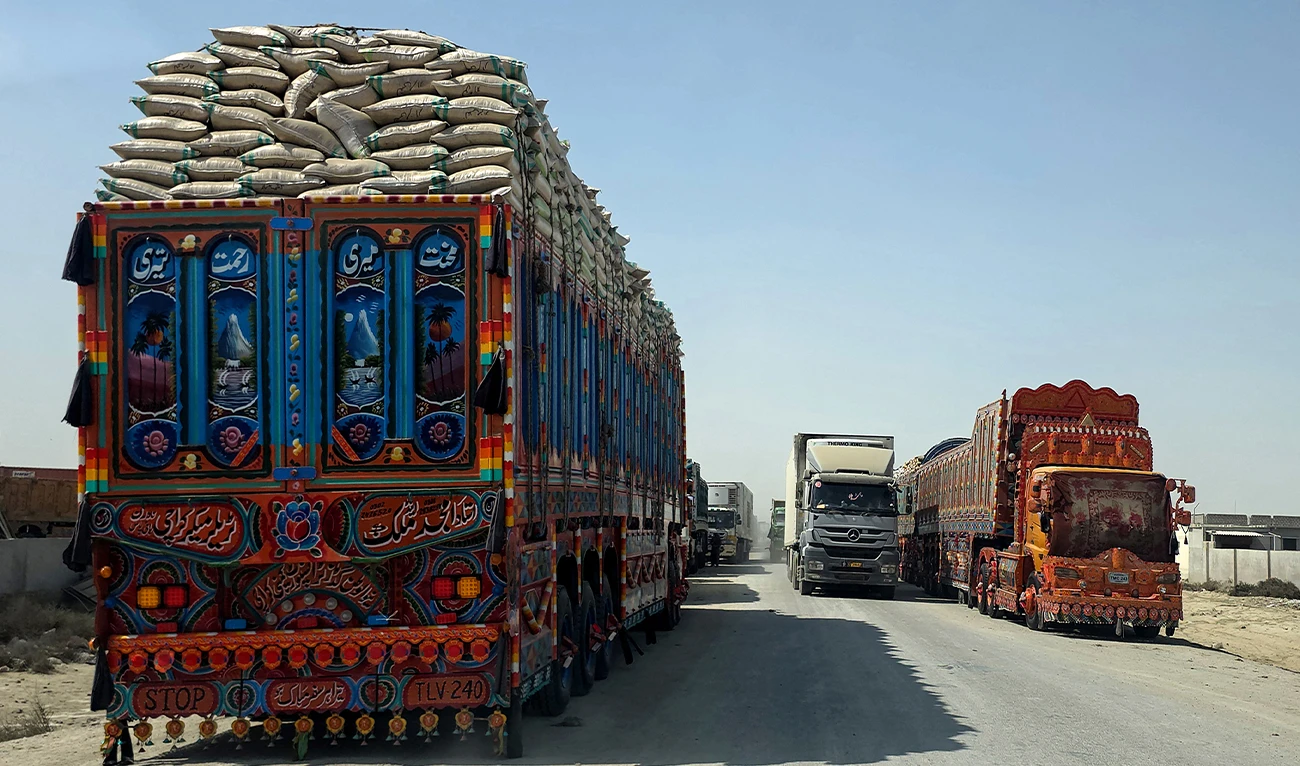
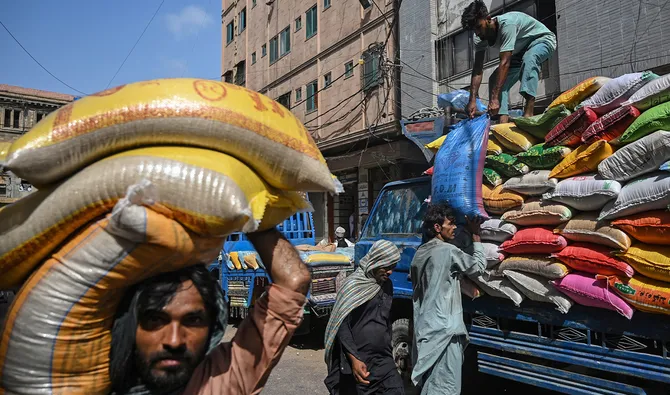
Pakistan is one of the leading rice exporters in the world, exporting nearly 6 million metric tons of rice worth over $3.3 billion last year, as per data from the Rice Exporters Association of Pakistan (REAP). China buys a large amount of Pakistan’s non-basmati rice, as Pakistan grows hybrid rice using seeds that are often imported from China.
China’s total rice imports reached 5 million metric tons for the fiscal year 2025–26 valued at $2,199 million, as per data shared by Pakistan’s Commerce Ministry. Pakistan contributed 456,359 metric tons of that rice, which was worth $162 million, the data showed.
Javed Jillani, REAP’s senior vice president, told Arab News that China has recently imposed non-tariff barriers and restrictions on several Indian exporters due to compliance and fertilizer/pesticide residue issues. Jillani noted that this has creating a notable supply gap in the Chinese market, which Pakistani exporters hoped to fill.
“The new deals and surging Chinese demand are paving the way for us to easily surpass 500,000 to 600,000 metric tons of rice exports by December,” Jillani told Arab News on Wednesday. “Potentially pushing total trade figures up to record levels.”
International news outlet Al Jazeera reported last week that on Apr. 17, China revoked the import licenses of three Indian rice exporters after Chinese customs authorities rejected their consignments, claiming traces of genetically modified organisms.
He noted that last month, a Pakistani REAP delegation visited China to explore opportunities to enhance rice exports to the neighboring country. He said that during their business-to-business (B2B) engagements with major Chinese importers, grain groups and chambers of commerce, the delegation successfully finalized orders and agreements for 60,000 metric tons of rice.
Quoting REAP, Pakistani English-language newspaper “The News” reported last week that Islamabad can export up to $1.5 billion worth of hybrid rice to China amid decreasing rice trade with India.
However, a commerce ministry official speaking to Arab News on condition of anonymity, said Pakistan’s rice exports to China are expected to increase but the $1.5 billion figure as reported by local media outlets was not “realistic.”
The official noted that China imports rice from various countries such as Vietnam, Thailand and Cambodia.
“So, restrictions on India would not create a demand for rice worth $1.5 billion,” the official said, adding that Pakistan is trying to boost its rice exports by offering better quality and competitive pricing.
REAP’s founding chairman Shahzad Ali Malik said Pakistan can export rice to China worth $400 to $500 million. He highlighted that Pakistan enjoys an advantage over other countries as it produces hybrid rice that is preferred in China.
“Almost 60 percent of non-basmati rice cultivated in Pakistan is of hybrid variety as we import the seed from China,” he said. “So, we produce the variety that is consumed in China.”
Stressing that Pakistan has surplus rice available for export to China, Malik emphasized that public-private collaboration is vital to establishing contractual frameworks with Chinese importers, enhancing seed quality and certification protocols, and rigorously complying with China’s stringent food safety and pesticide residue regulations.