


RIYADH: Brazilian photographer Humberto Martins da Silveira, who died recently, spent more than four decades traveling across Saudi Arabia with his camera.
He documented its people, landscapes, architecture, heritage and transformation and, over time, the Kingdom became more than the subject of his work — it became his home.
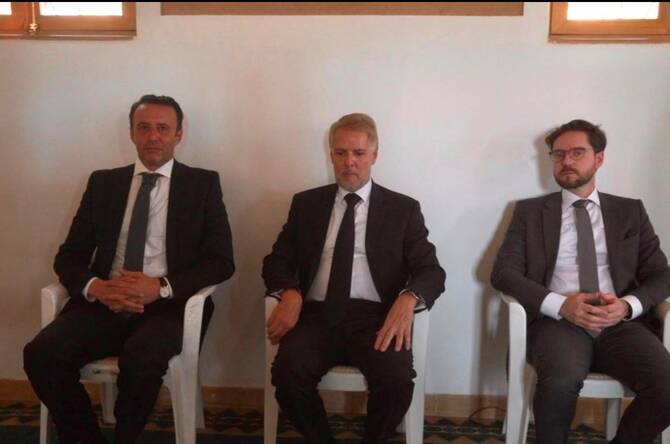
The funeral prayer for da Silveira, who embraced Islam in 2024, was held yesterday at Al-Udhaiba Mosque in Diriyah. It was attended by Prince Sultan bin Salman bin Abdulaziz, special adviser to the Custodian of the Two Holy Mosques and founder and chairman of the non-profit Heritage Foundation.
It was also attended by friends, colleagues and people who had accompanied the photographer throughout his career, as well as officials and others concerned with preserving his legacy. Brazil’s ambassador to Saudi Arabia, Paulo Uchoa Ribeiro Filho, was also there to make his farewells.
Da Silveira’s connection to Saudi Arabia stretched back decades. He traveled extensively across the Kingdom, photographing places such as Diriyah and AlUla and building an archive that captured both historic landscapes and a country undergoing rapid change.
“He left a big legacy,” Prince Sultan told Arab News.
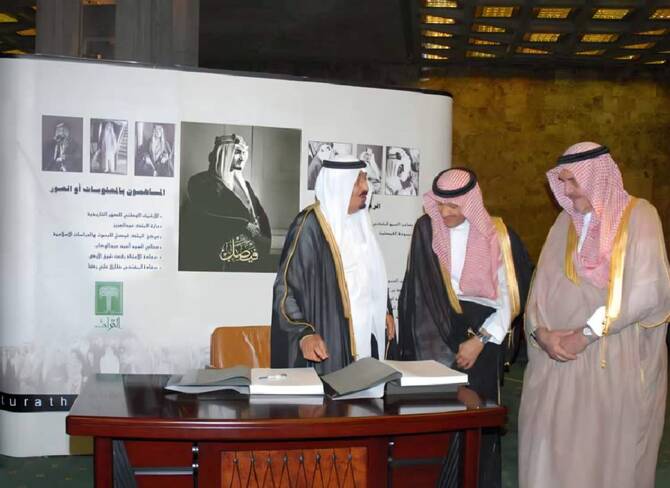
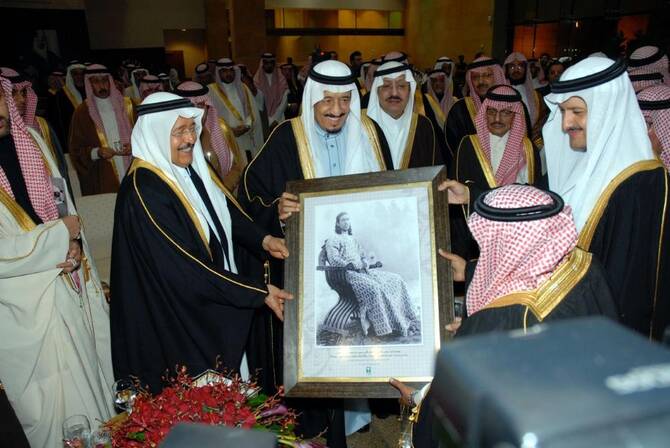
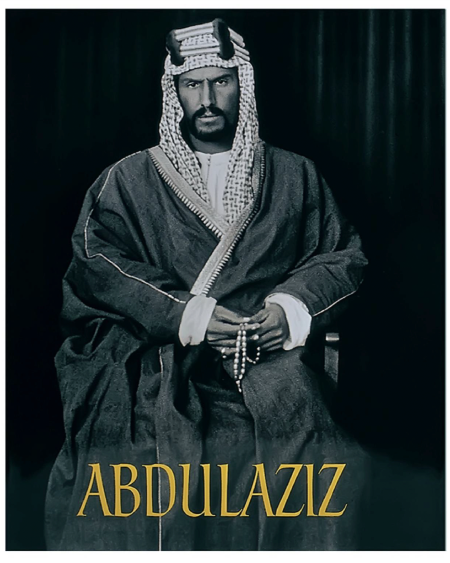
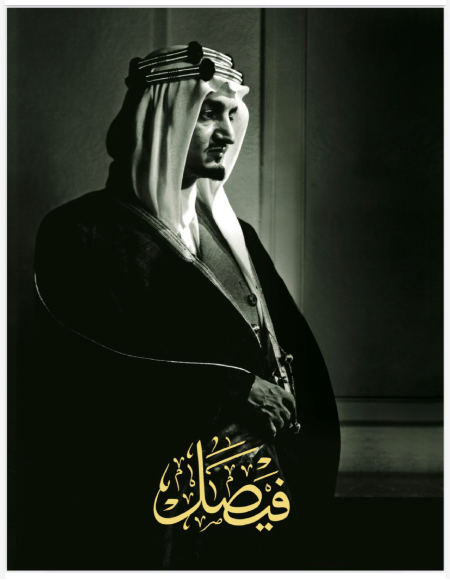
That legacy includes some of the most significant photographic documentation projects undertaken through the Heritage Foundation. Da Silveira worked with the foundation on a series of books documenting the lives and eras of Saudi Arabia’s kings, including King Abdulaziz, King Saud and King Faisal. The King Abdulaziz volume was published in Arabic and English.
Da Silveira designed and produced the books, bringing together rare photographs and documents to preserve what the Heritage Foundation described as an important part of the Kingdom’s visual national memory. The series became a cultural reference and archive intended to carry Saudi Arabia’s history to future generations.
The photographer was also involved in books and projects for the King Abdulaziz Foundation for Research and Archives, known as Darah. Prince Sultan said da Silveira also worked on several books that remain unpublished.
His other notable works included Najd, Bedouins and Hijar, while some of his photographs are now held in museums. According to the prince, da Silveira’s photographs are found in collections and archives across Saudi Arabia.
“He was very passionate about his photography,” Prince Sultan said, describing him as “very professional and very tough on quality.”
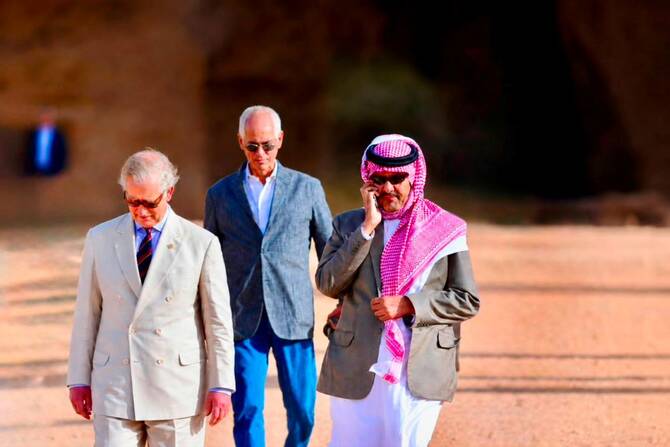
Da Silveira’s camera also followed some of the Kingdom’s most important visitors and events. In February 2015, he photographed King Charles III, who was then Prince of Wales, during a visit to AlUla’s historical and archaeological sites.
Yet those who knew him remember a man who was more comfortable behind the camera than in the spotlight.
“He didn’t like to be in the limelight. He just liked to do his work. I think the simplicity of his burial was fitting for him because he was a very private person and never sought attention. He simply wanted to focus on his work.” Prince Sultan said.
His life remained closely connected to Brazil, where he had family and four siblings, but Saudi Arabia was where he chose to spend the greater part of his life. His family agreed that he regarded the Kingdom as his home and he should remain there after his death.