- UN officials say the end of large-scale conflict has brought little human security, as hunger, disasters and dwindling aid deepen the crisis
- Women and girls face sweeping restrictions that UN experts describe as gender apartheid, as 56 countries reject normalizing Taliban rule
NEW YORK CITY: Olga Cherevko has spent the past several months crisscrossing Afghanistan, from Bamiyan and Herat to Paktika, Khost and, most recently, Nuristan, where flash flooding recently tore through villages, leaving families with nothing.
Across different landscapes and provinces, the stories were the same. “People tell me they’re exhausted,” said Cherevko, spokesperson for the UN Office for the Coordination of Humanitarian Affairs in Afghanistan.
“Exhausted from being poor, hungry, dealing with repeated climate shocks, mounting debt and the daily struggle to provide for their families.”
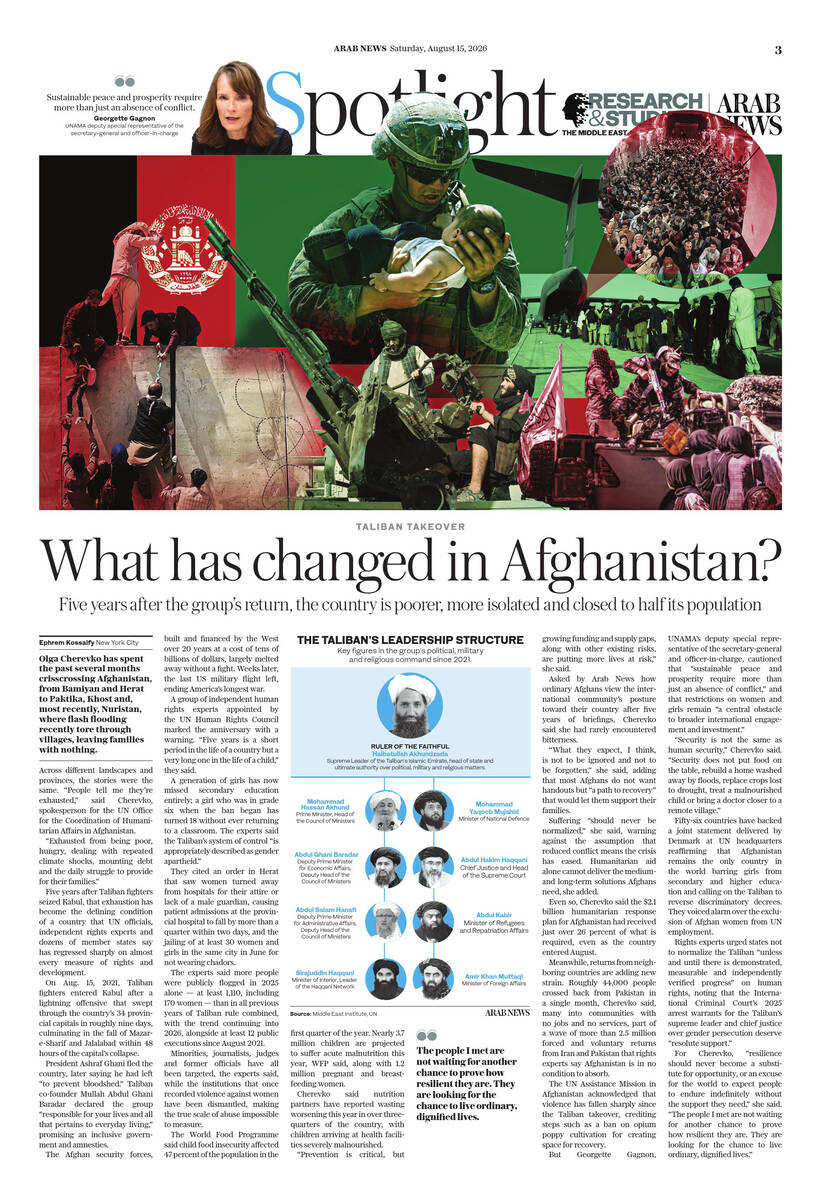
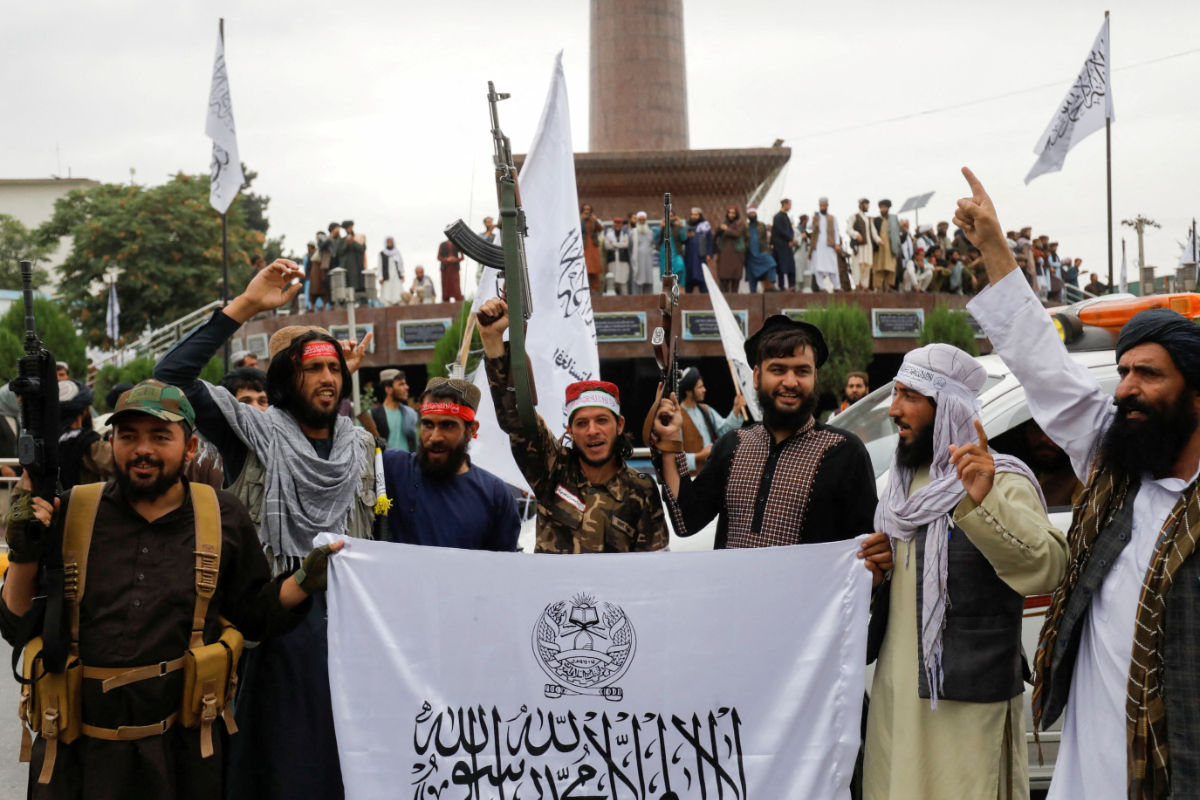
Five years after Taliban fighters walked into the presidential palace in Kabul unopposed, that exhaustion has become the defining condition of a country that UN officials, independent rights experts and dozens of member states say has regressed sharply on almost every measure of rights and development, even as the guns have largely fallen silent.
On Aug. 15, 2021, Taliban fighters entered Kabul after a lightning offensive that swept through the country’s 34 provincial capitals in roughly nine days, culminating in the fall of Mazar-e-Sharif and Jalalabad within 48 hours of the capital’s collapse.
President Ashraf Ghani fled the country, later saying he had left “to prevent bloodshed.” Taliban co-founder Mullah Abdul Ghani Baradar declared the group “responsible for your lives and all that pertains to everyday living,” promising an inclusive government and amnesty for former officials.
The Afghan security forces, built and financed by Washington and its allies over 20 years at a cost of tens of billions of dollars, largely melted away without a fight. Weeks later, the last US military flight left Kabul airport, ending America’s longest war and, with it, two decades of an internationally backed republic.
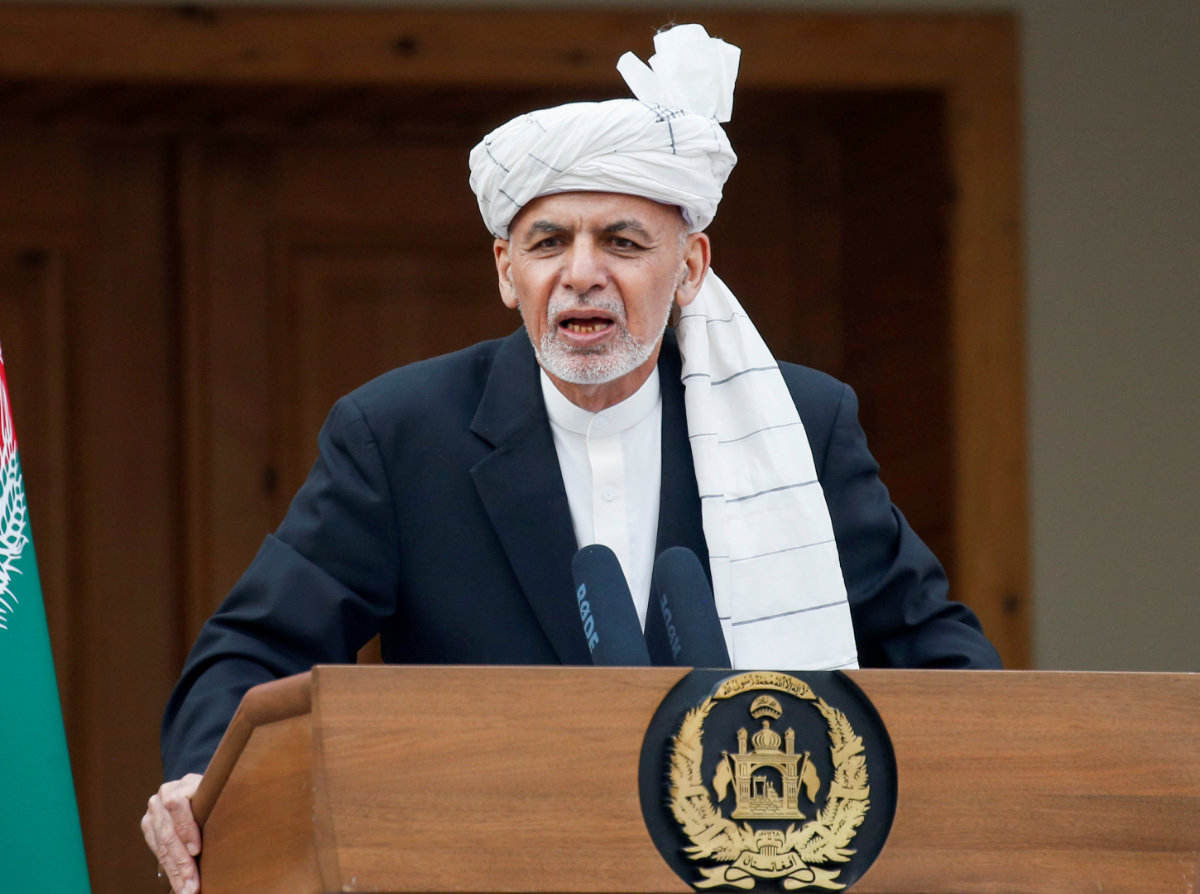
A group of independent human rights experts appointed by the UN Human Rights Council marked the anniversary with a blunt warning. “Five years is a short period in the life of a country but a very long one in the life of a child,” they said.
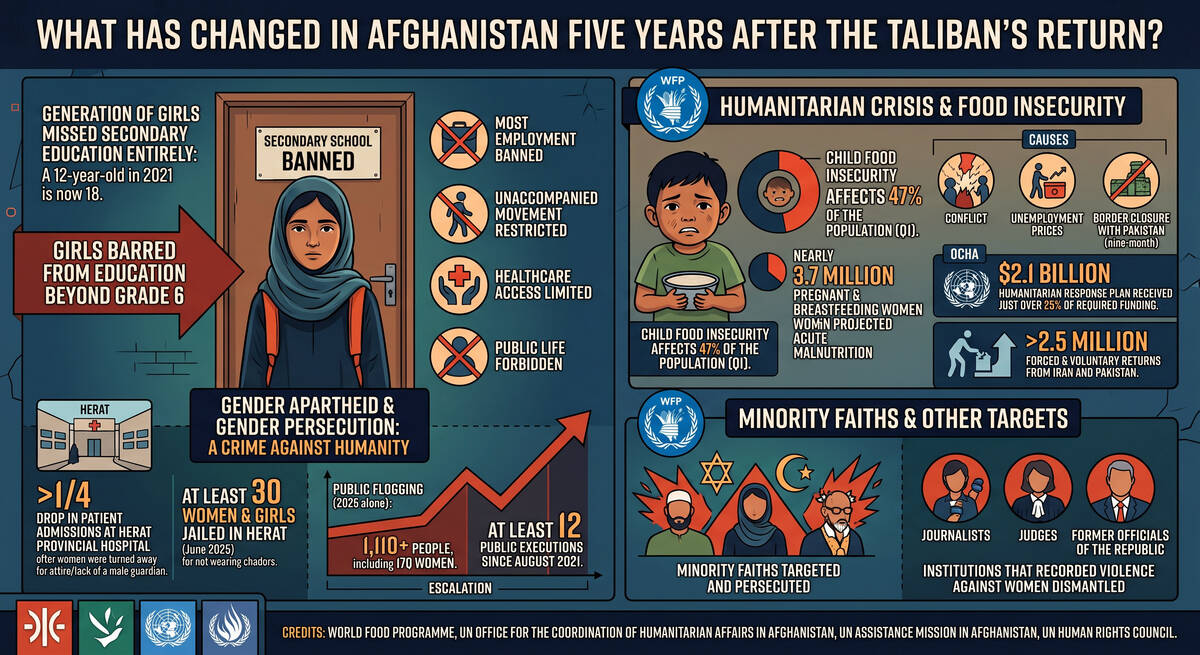
A generation of girls, they noted, has now missed secondary education entirely; a girl who was in grade six when the ban began has turned 18 without ever returning to a classroom.
The experts said the Taliban’s system of controls over women and girls — barring them from education beyond grade six, most employment, unaccompanied movement, healthcare access and public life — amounts to the crime against humanity of gender persecution, and “is also appropriately described as gender apartheid.”
They cited an order in Herat that saw women turned away from hospitals for their attire or lack of a male guardian, causing patient admissions at the provincial hospital to fall by more than a quarter within two days, and the jailing of at least 30 women and girls in the same city in June for not wearing chadors, with security forces opening fire on protesters and killing two people, including a boy.
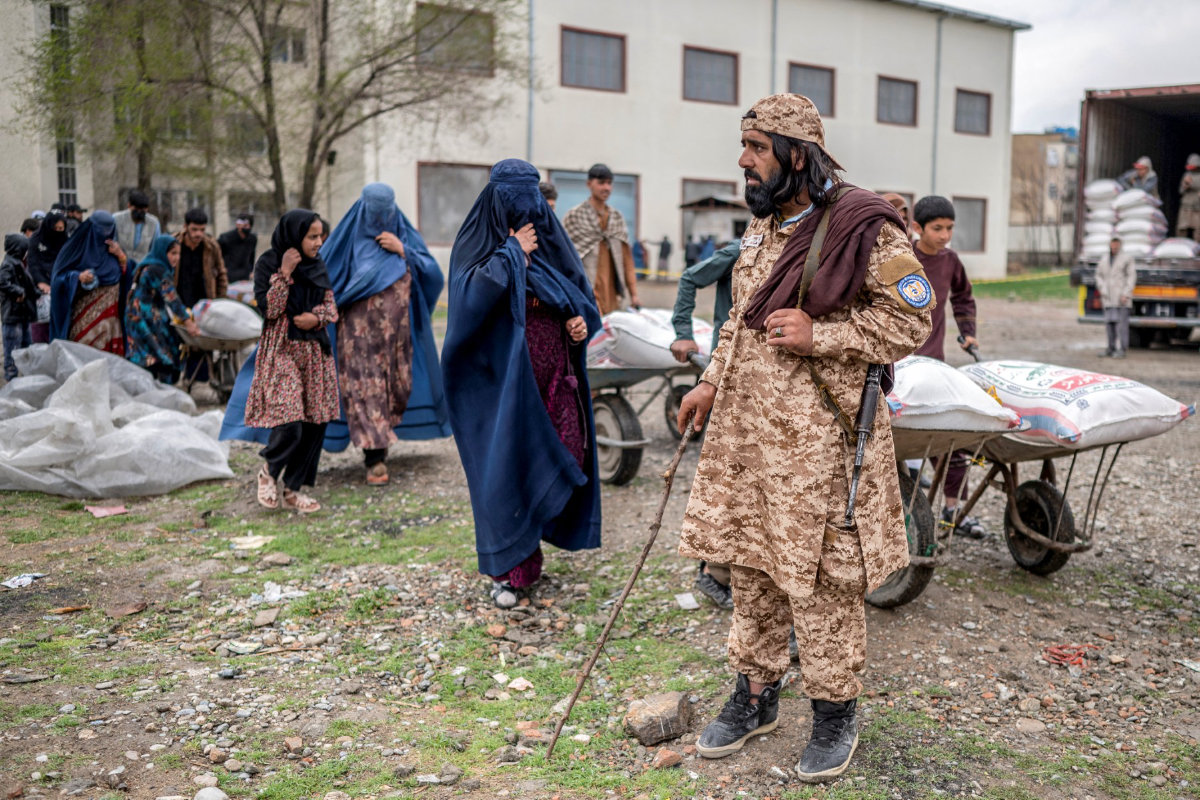
Punishments have escalated. The experts said more people were publicly flogged in 2025 alone — at least 1,110, including 170 women — than in all previous years of Taliban rule combined, with the trend continuing into 2026, alongside at least 12 public executions since August 2021.
Minority faiths, journalists, judges and former officials of the republic have all been targeted, the experts said, while the institutions that once recorded violence against women have been dismantled, making the true scale of abuse impossible to measure.
The humanitarian toll has also risen. The World Food Programme said child food insecurity affected 47 percent of the population in the first quarter of the year, driven by conflict, unemployment, high food prices and collapsing humanitarian funding, worsened by a nine-month closure of the Pakistan border.
Nearly 3.7 million children are projected to suffer acute malnutrition this year, WFP said, along with 1.2 million pregnant and breastfeeding women.
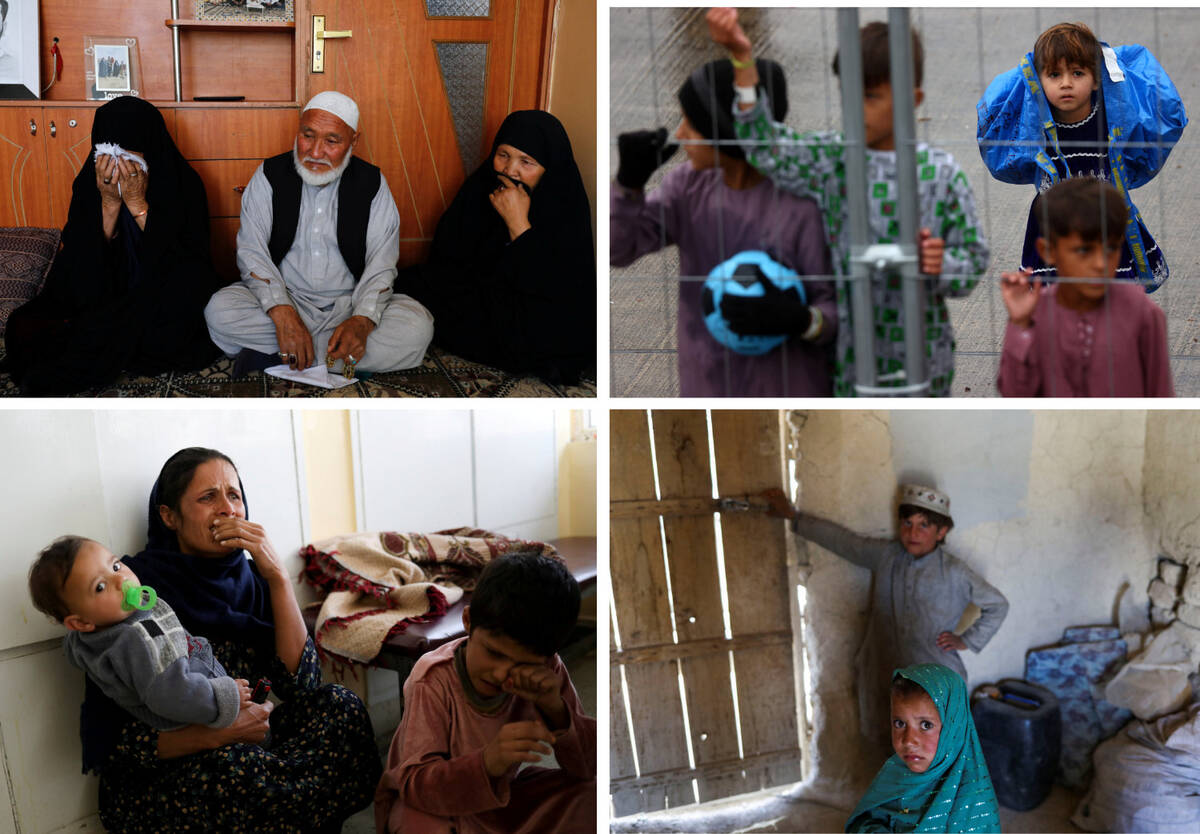
Cherevko said nutrition partners have reported wasting worsening this year in over three-quarters of the country, with children arriving at health facilities severely malnourished — when they can reach one at all.
“Prevention is critical, but growing funding and supply gaps, along with other existing risks, are putting more lives at risk,” she said.
Asked by Arab News how ordinary Afghans view the international community’s posture toward their country after five years of near-constant briefings on its decline, Cherevko said she had rarely encountered bitterness.
“What they expect, I think, is not to be ignored and not to be forgotten,” she said, adding that most Afghans do not want handouts but “a path to recovery” that would let them support their families without falling into debt.
Pressed by Arab News on what could break what has become a five-year cycle of documenting decline without reversing it, she said suffering “should never be normalized,” warning against the assumption that reduced conflict means the crisis has eased, and arguing that humanitarian aid alone cannot deliver the medium- and long-term solutions Afghans need.
Funding has not kept pace. Cherevko said the $2.1 billion humanitarian response plan for Afghanistan had received just over 26 percent of what is required, even as the country entered August.
Meanwhile, returns from neighboring countries are adding new strain: roughly 44,000 people crossed back from Pakistan in a single month, Cherevko said, many into communities with no jobs and no services, part of a wave of more than 2.5 million forced and voluntary returns from Iran and Pakistan that rights experts say Afghanistan is in no condition to absorb.
The UN Assistance Mission in Afghanistan acknowledged that violence has fallen sharply since the Taliban takeover, crediting steps such as a ban on opium poppy cultivation for creating space for recovery.
the uBut Georgette Gagnon, UNAMA’s deputy special representative of the secretary-general and officer-in-charge, cautioned that “sustainable peace and prosperity require more than just an absence of conflict,” and that restrictions on women and girls remain “a central obstacle to broader international engagement and investment.”
“Security is not the same as human security,” Cherevko said. “Security does not put food on the table, rebuild a home washed away by floods, replace crops lost to drought, treat a malnourished child or bring a doctor closer to a remote village.”
Fifty-six countries — from Australia and Japan to Lebanon, the UAE and much of Europe and Latin America — backed a joint statement delivered by Denmark at UN headquarters reaffirming that Afghanistan remains the only country ien the world barring girls from secondary and higher education and calling on the Taliban to reverse discriminatory decrees. The group voiced alarm over the exclusion of Afghan women from UN employment.
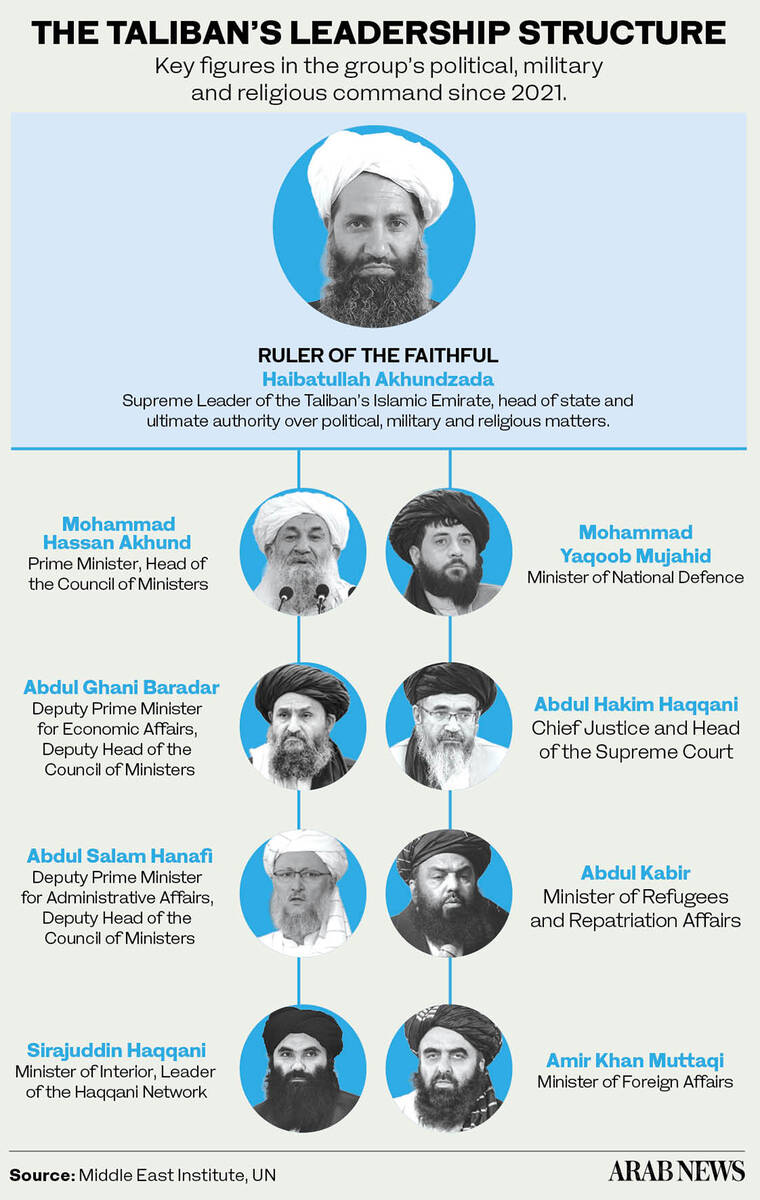
Rights experts urged states not to normalize the Taliban “unless and until there is demonstrated, measurable and independently verified progress” on human rights, noting that the International Criminal Court’s 2025 arrest warrants for the Taliban’s supreme leader and chief justice over gender persecution deserve “resolute support.”
For Cherevko, “resilience should never become a substitute for opportunity, or an excuse for the world to expect people to endure indefinitely without the support they need,” she said. “The people I met are not waiting for another chance to prove how resilient they are. They are looking for the chance to live ordinary, dignified lives.”