- From the Middle East and beyond, Nolan’s epic is drawing travelers to Greece’s mythological landscapes
- Hollywood films have long influenced tourism: “Crazy Rich Asians” popularized Singapore, while “Eat, Pray, Love” made Bali’s Ubud an even more popular destination
RIYADH: Christopher Nolan’s “The Odyssey” is proving to be more than a box-office hit, particularly in the Gulf, where it has drawn a sizable audience. The film’s global success has spotlighted Greece’s mythology-rich culture and breathtaking landscapes as never before.
News outlets across the world are dubbing this the “Odyssey effect,” referring to the way the feature film is influencing traveler behavior, with visitor numbers reportedly on the rise.
The UK’s Guardian newspaper warned of a tourism surge and the environmental pressures this could place on the Peloponnese, one of the film’s main backdrops. Euronews has issued similar cautions about Ithaca, which has not traditionally been a major tourist hotspot.

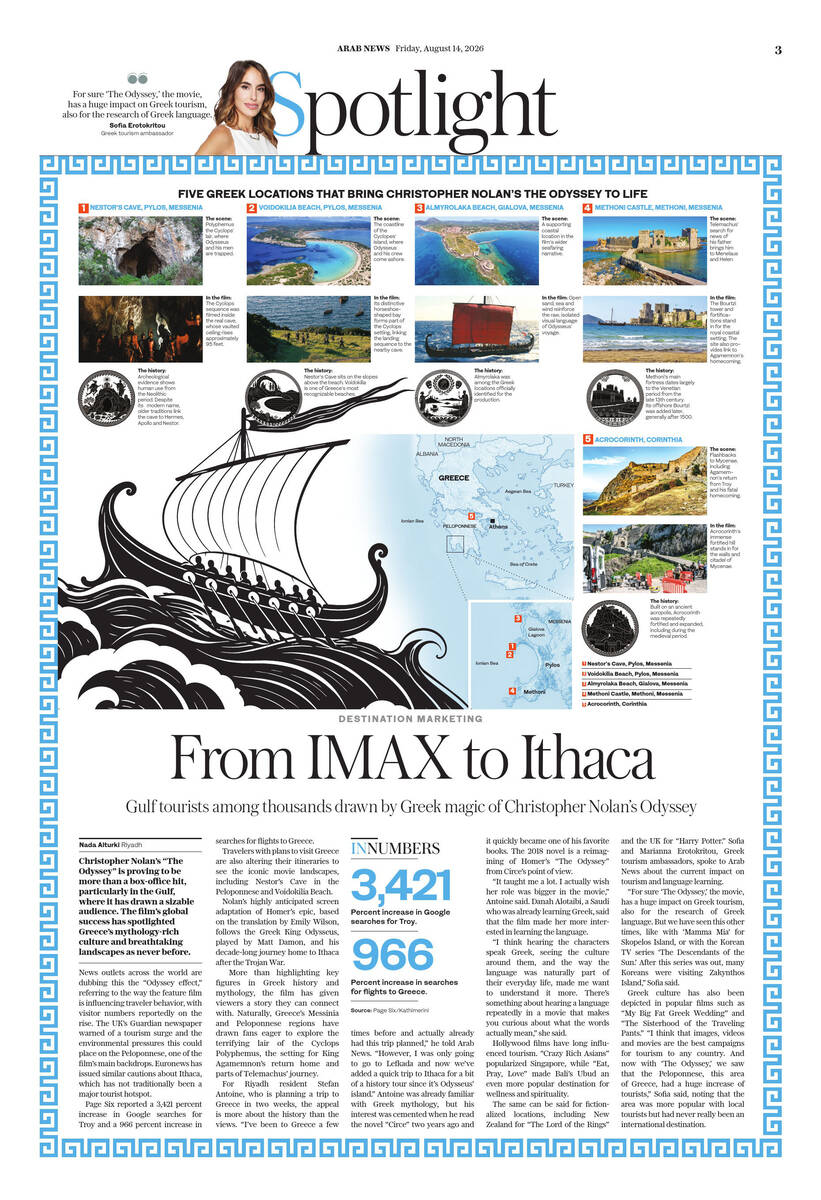
Page Six reported a 3,421 percent increase in Google searches for Troy and a 966 percent increase in searches for flights to Greece.
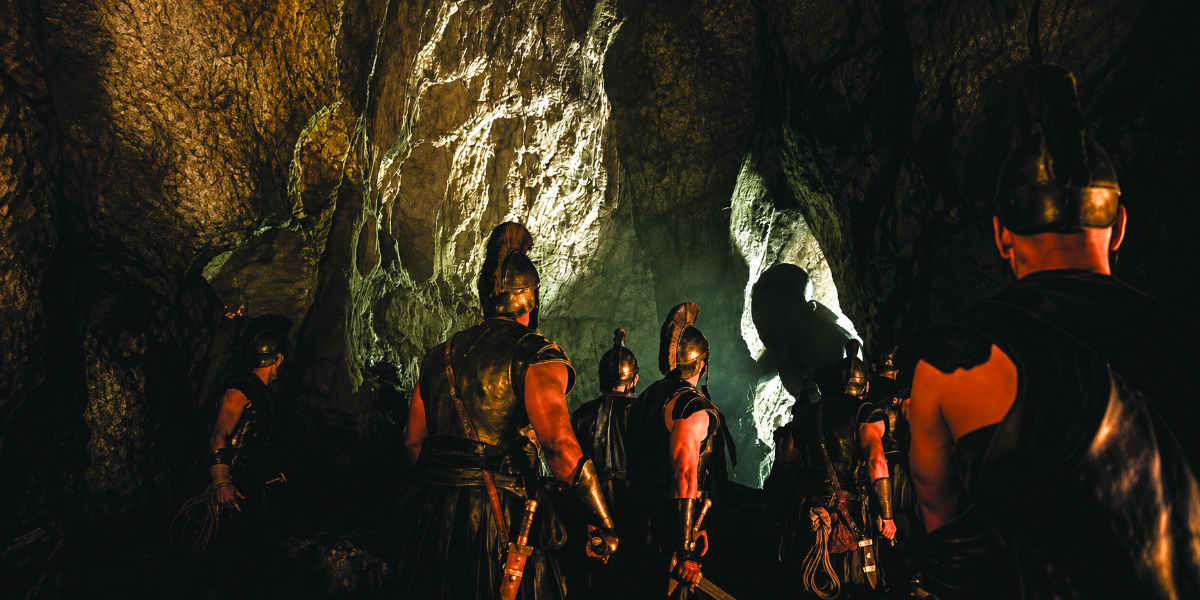
Travelers with plans to visit Greece are also altering their itineraries to see the iconic movie landscapes, including Nestor’s Cave in the Peloponnese and Voidokilia Beach.
It is nothing new for widely popular films and TV shows to boost the popularity of the locations where they are set.
Take Dubrovnik, for example. The southern Croatian city was reported to have boomed as a tourist destination, drawing “Game of Thrones” viewers from across the globe to visit the fictional King’s Landing and roam the alleys of Cersei’s walk of shame.
Nolan’s highly anticipated screen adaptation of Homer’s epic, based on the translation by Emily Wilson, follows the Greek King Odysseus, played by Matt Damon, and his decade-long journey home to Ithaca after the Trojan War.
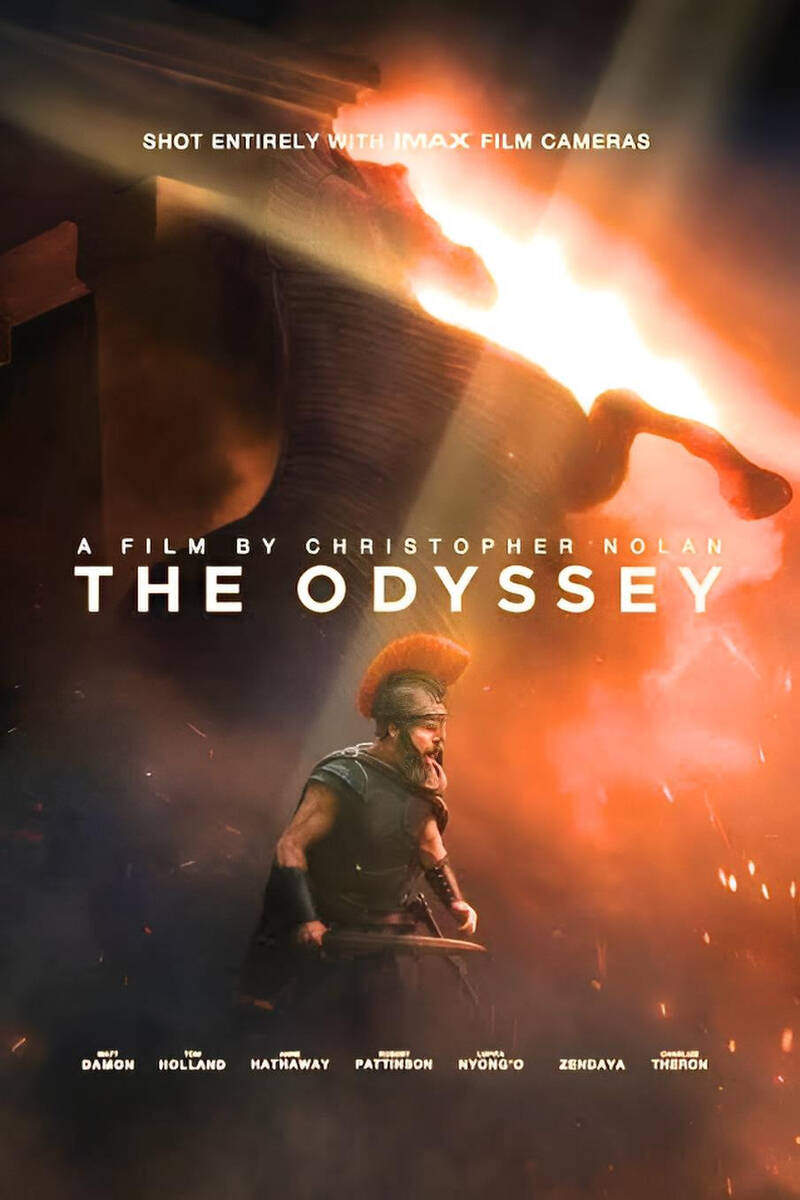
His wife, Penelope, and son, Telemachus, played by Anne Hathaway and Tom Holland, await his return as they try to fend off greedy men vying for his throne. More than highlighting key figures in Greek history and mythology, the film has given viewers a story they can connect with.
Naturally, Greece’s Messinia and Peloponnese regions have drawn fans eager to explore the terrifying lair of the Cyclops Polyphemus, the setting for King Agamemnon’s return home and parts of Telemachus’ journey.
For Riyadh resident Stefan Antoine, who is planning a trip to Greece in two weeks, the appeal is more about the history than the views.
“I’ve been to Greece a few times before and actually already had this trip planned,” he told Arab News. “However, I was only going to go to Lefkada and now we’ve added a quick trip to Ithaca for a bit of a history tour since it’s Odysseus’ island.”
Antoine was already familiar with Greek mythology, but his interest was cemented when he read the novel “Circe” two years ago and it quickly became one of his favorite books. The 2018 novel is a reimagining of Homer’s “The Odyssey” from Circe’s point of view.
“(It) taught me a lot. I actually wish her role was bigger in the movie,” Antoine said.
The attraction is rising not only in tourism, but in linguistic culture as well.
IN NUMBERS
• 3,421 percent Increase in Google searches for Troy.
• 966 percent Increase in searches for flights to Greece.
• 550 percent Increase in UK searches for “learn Greek” in one month.
(Source: Page Six/Kathimerini)
“In the UK, searches for the term ‘learn Greek’ increased by about 550 percent in one month. Some media outlets, using a different time period for comparison than Google Trends, even report a 5,000 percent increase in two weeks,” the Greek news outlet Kathimerini reported.
Danah Alotaibi, a Saudi who was already learning Greek, said that the film made her more interested in learning the language.
“I think hearing the characters speak Greek, seeing the culture around them, and the way the language was naturally part of their everyday life, made me want to understand it more. There’s something about hearing a language repeatedly in a movie that makes you curious about what the words actually mean,” she said.
She said that seeing the film gave her a deeper and more emotional picture of Greece, noting that she did not know much about the country.
“I obviously knew Greece was famous for its islands, beaches, history, and beautiful architecture, but I didn’t know much beyond the typical things you see online … It made me interested in the lifestyle, the culture, the food, and what it would actually feel like to be there rather than just seeing it as a beautiful tourist destination,” she said.
This raises a bigger question about the influence of screen culture: When a place or story captures our imagination on screen, can it change where we want to go and what we want to experience in real life?
“I think the media can definitely influence the places I become curious about, but I wouldn’t say it completely makes the decision for me,” Alotaibi said. “It’s more like it plants the idea in your head, and then you start researching and thinking, ‘OK, maybe I actually want to go there.’
“I think that’s the power of storytelling. It can turn a destination from just a location on a map into somewhere you feel like you already have a connection with.”
Hollywood films have long influenced tourism. “Crazy Rich Asians” popularized Singapore, while “Eat, Pray, Love” made Bali’s Ubud an even more popular destination for wellness and spirituality.
The same can be said for fictionalized locations, including New Zealand for “The Lord of the Rings” and the UK for “Harry Potter.”
Sofia and Marianna Erotokritou, Greek tourism ambassadors, spoke to Arab News about the current impact on tourism and language learning.
“For sure ‘The Odyssey,’ the movie, has a huge impact on Greek tourism, also for the research of Greek language. But we have seen this other times, like with ‘Mamma Mia’ for Skopelos Island, or with the Korean TV series ‘The Descendants of the Sun.’ After this series was out, many Koreans were visiting Zakynthos Island,” Sofia said.
Greek culture has also been depicted in popular films such as “My Big Fat Greek Wedding” and “The Sisterhood of the Traveling Pants.”
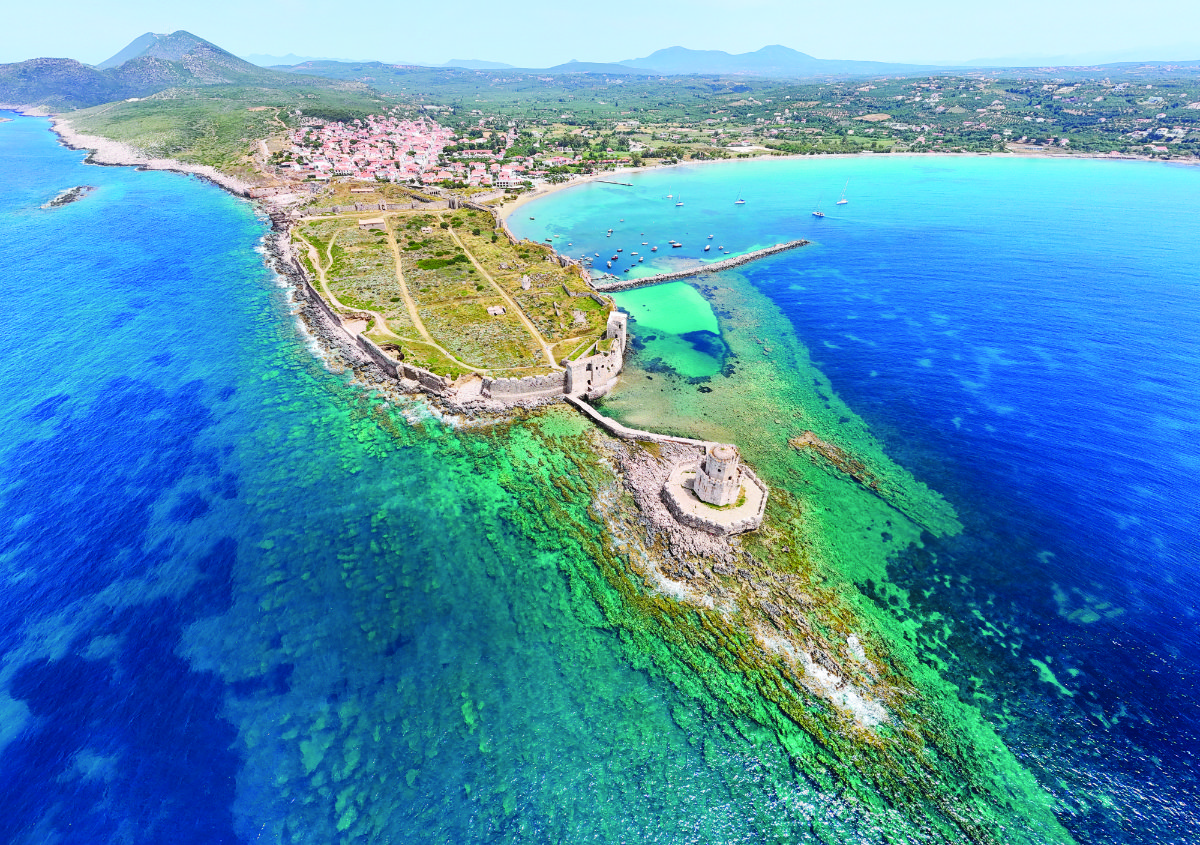
“I think that images, videos and movies are the best campaigns for tourism to any country. And now with ‘The Odyssey,’ we saw that the Peloponnese, this area of Greece, had a huge increase of tourists,” Sofia said, noting that the area was more popular with local tourists but had never really been an international destination.
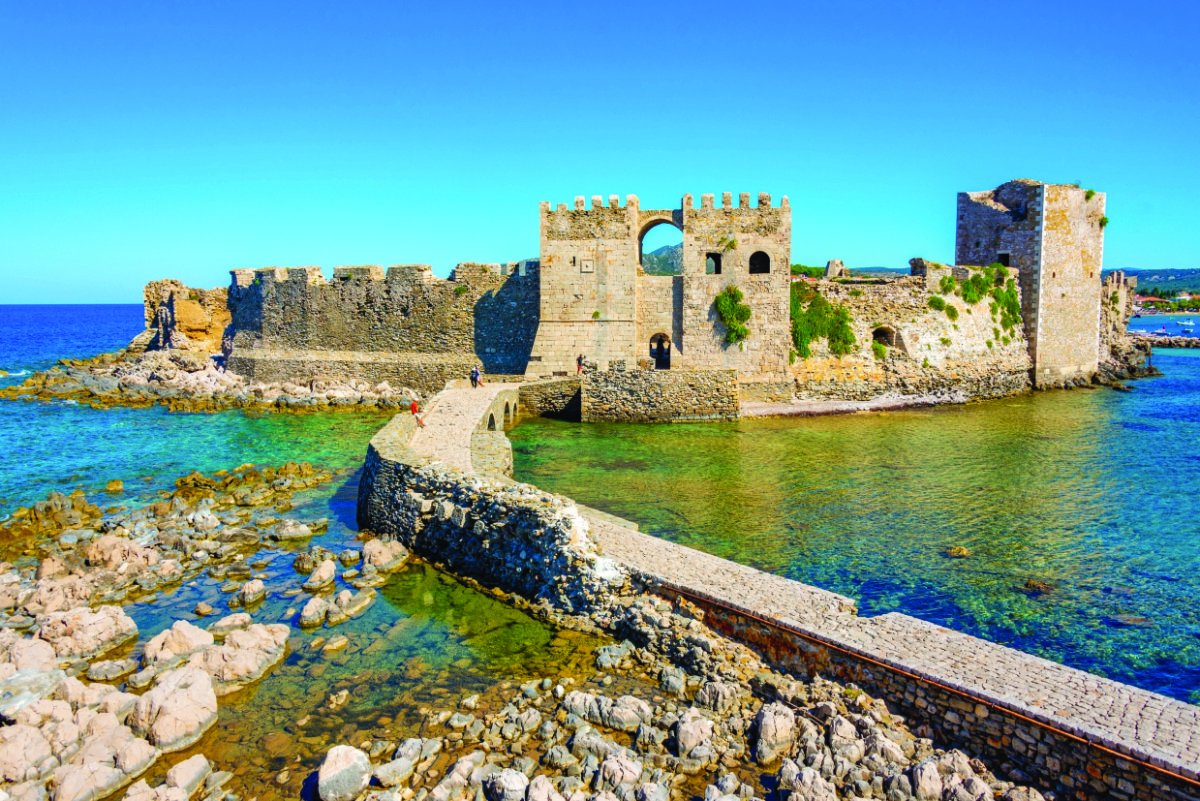
“And there was also an increase in the research on Google for the municipality of Methoni. It has, I think, an increase of up to 17 percent. So this is a very important result of the movie that these not-so-famous destinations, now they are very popular,” she added. “This will help the local community, the economy of these destinations.”
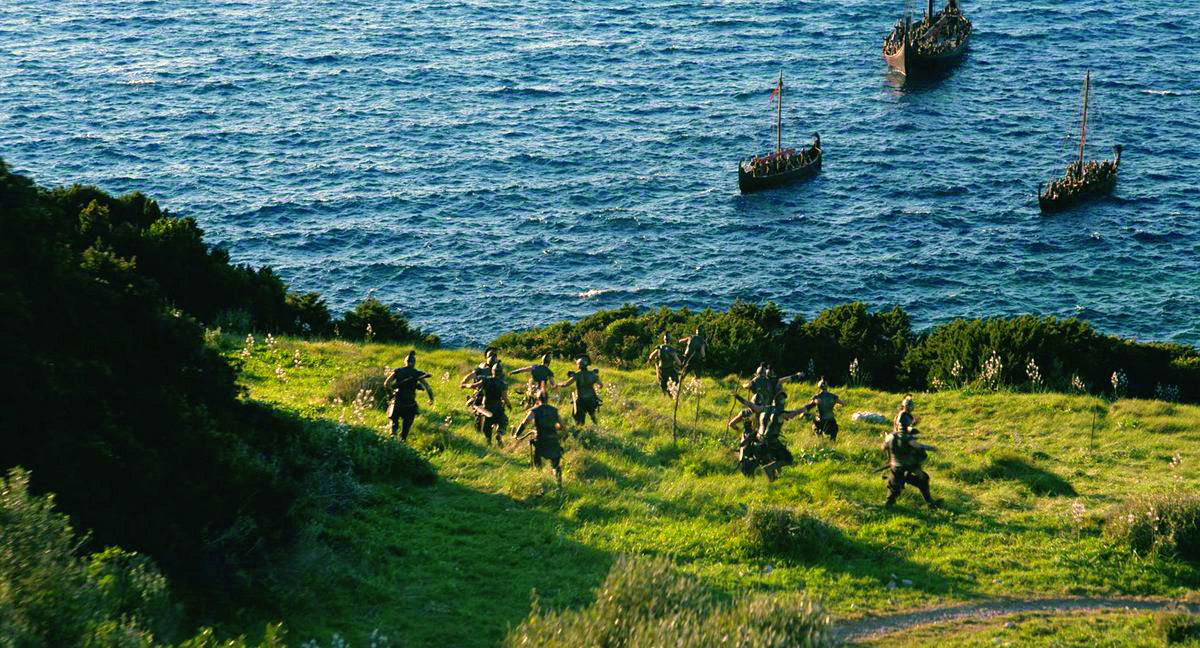
There is also talk that municipalities are expecting the tourism season in Greece to be extended as a result.
“In most of the areas, the most touristic time is until August and maybe mid-September, but they expect this year in the Peloponnese area in Methoni, the tourist season will be up to October,” Marianna said.
But media outlets are not wrong to caution about environmental risks, and overcrowding could also become an issue.
The twins noted that most of the targeted spots are not ticketed and could face an unprecedented number of visitors.
“I think we need to take care of the tourists that are going to these areas for it to be easier for them to enter the Nestor’s cave, to be more protected also. So I think the municipality and the local businessmen need to do something more organized for these places,” Sofia said.
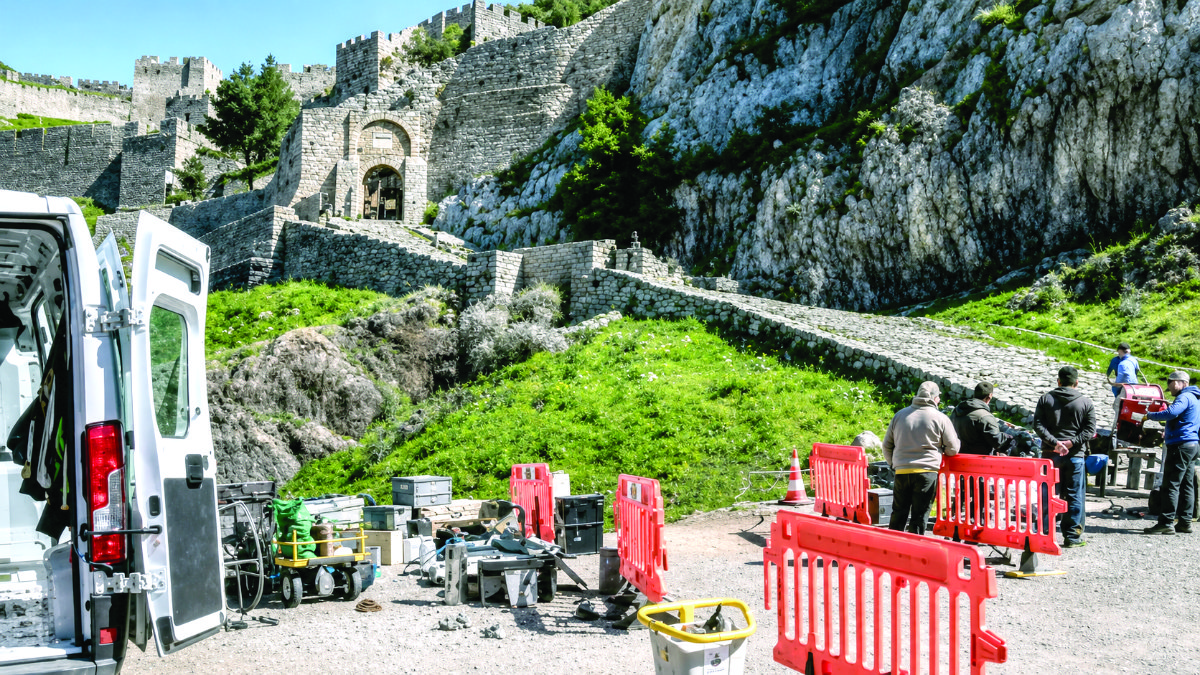
As ambassadors, they have highlighted the culture and beauty of their home country on social and traditional media and continue to do so. One of the biggest assets and luxuries Greece has, they said, is its authenticity.
“We have the luxury of simplicity. This is what we can provide and what the tourists actually come for and what they want to find in Greece,” Sofia said.
Marianna concurs.
“I think it’s the combination of history, food, the landscapes, the islands, and the culture. And of course, it’s the hospitality, because the hospitality makes the tourists come again and again. Greece is not a destination that you will come to once in a lifetime.”