

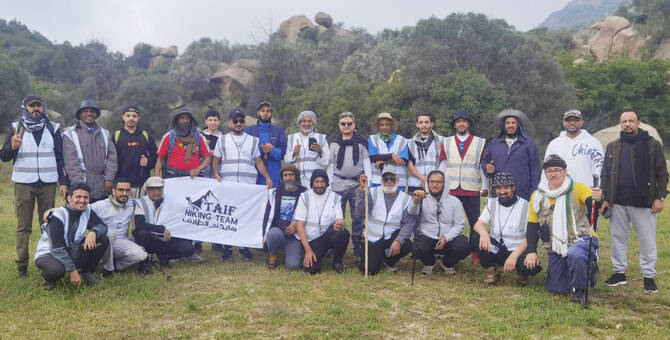
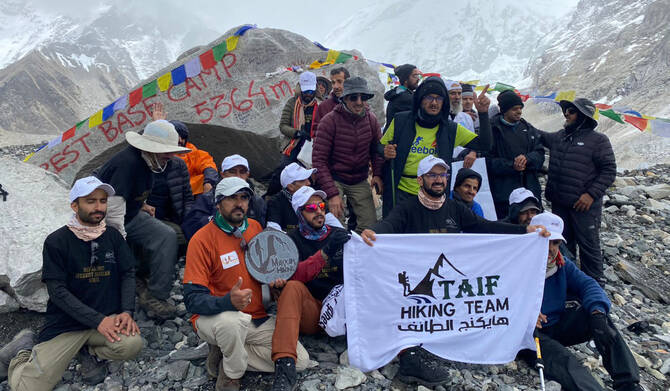
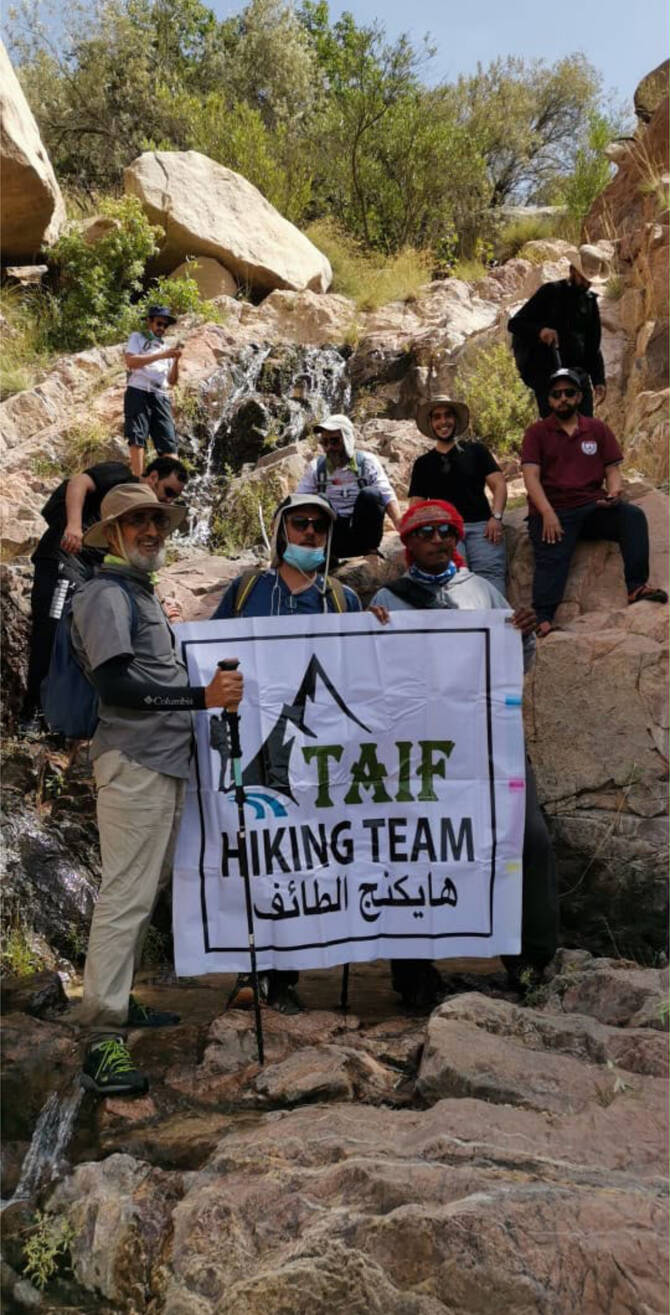

MAKKAH: Cradled among dramatic mountain ridges, lush valleys and cool highland breezes, Taif is rapidly cementing its reputation as one of Saudi Arabia’s premier outdoor destinations — with mountain hiking leading its eco-tourism surge.
Driven by growing domestic interest in outdoor recreation under Vision 2030, the city’s historic trails and rehabilitated wadis are drawing thousands of adventure seekers and nature enthusiasts from across the Kingdom and GCC.
Sultan Al-Thaqafi, captain of the Taif Hiking Club, told Arab News that organized outdoor activities have transformed how visitors interact with the region’s landscape and cultural history.

Taif is converting its cool climate and rugged terrain into premier hub for sustainable ecotourism. (Supplied)
“Hiking has evolved beyond a sport into an immersive experience that blends physical fitness, tourism and heritage exploration,” Al-Thaqafi said.
Restoring historic paths
Taif boasts a diverse network of routes catering to various skill levels. Among the most prominent is Wadi Al-Makhada, a picturesque trail featuring rugged rocky terrain and mountain flora, which was recently rehabilitated by the Saudi Hiking Trails Association.
Another major highlight is Darb Al-Jammala (The Camel Trail), a restored ancient trade and pilgrimage route historically used by caravans traveling between the highlands of Taif and the holy city of Makkah.

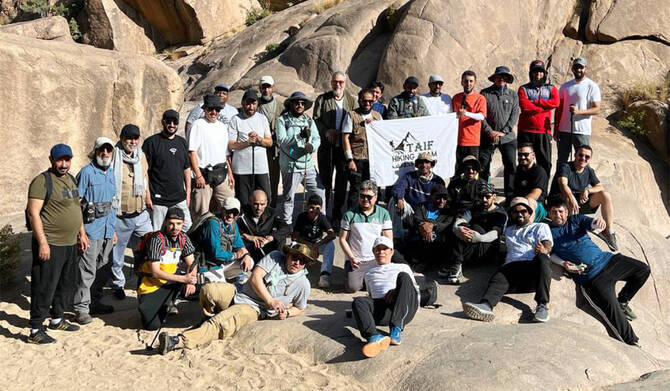
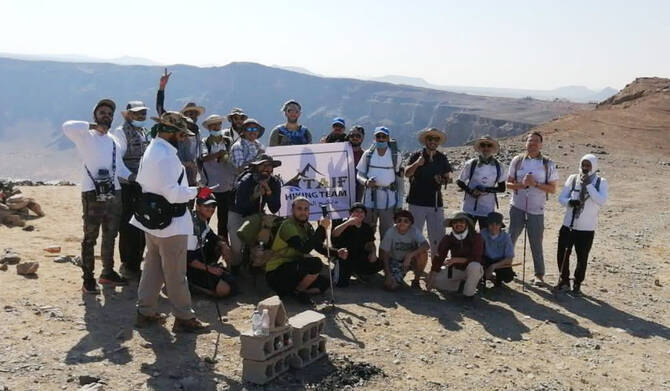
Taif is converting its cool climate and rugged terrain into premier hub for sustainable ecotourism. (Supplied)
Al-Thaqafi said that development teams are preparing additional paths in the high-altitude district of Al-Shafa to accommodate beginners, families and advanced trekkers alike.
To protect the fragile highland ecosystem, the Taif Hiking Club integrates “Leave No Trace” principles into all its expeditions and hosts awareness workshops led by certified environmental trainers.
“Safety and conservation remain our top priorities,” Al-Thaqafi said, advising novices to hike exclusively with licensed groups, wear technical footwear, carry sufficient hydration and adhere strictly to leader guidelines.
Economic and community impact
The rise of mountain tourism is delivering direct economic benefits to local communities across Taif Governorate.
Ecotourism growth has spurred demand for licensed tour guides, rural lodges, traditional eateries and smallholders producing Taif’s famous seasonal fruits, mountain honey and world-renowned rose oil.
Hiking specialist Abdulkarim Al-Ibrahim said that upgrading trail infrastructure to international safety and sustainability standards will unlock further investment in green tourism.
“Developing these trails while prioritizing environmental preservation directly aligns with Vision 2030 objectives,” he added. “Taif’s remarkable geographical diversity and deep history give it all the ingredients to become the Kingdom’s ultimate mountain sports capital.”


