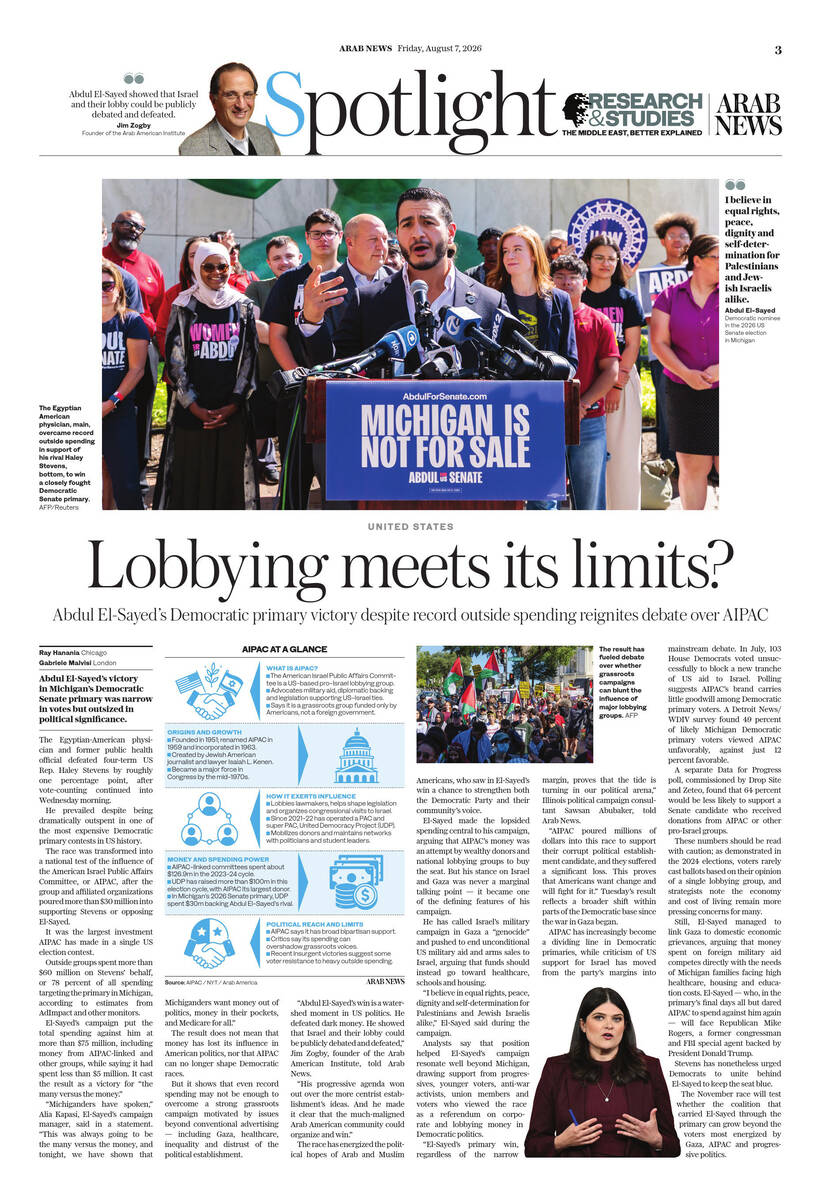
- Egyptian-American physician overcame record outside spending to win a closely fought Democratic Senate primary
- Result fuels debate over whether grassroots campaigns can blunt the influence of major lobbying groups
CHICAGO/LONDON: Abdul El-Sayed’s victory in Michigan’s Democratic Senate primary was narrow in votes but outsized in political significance.
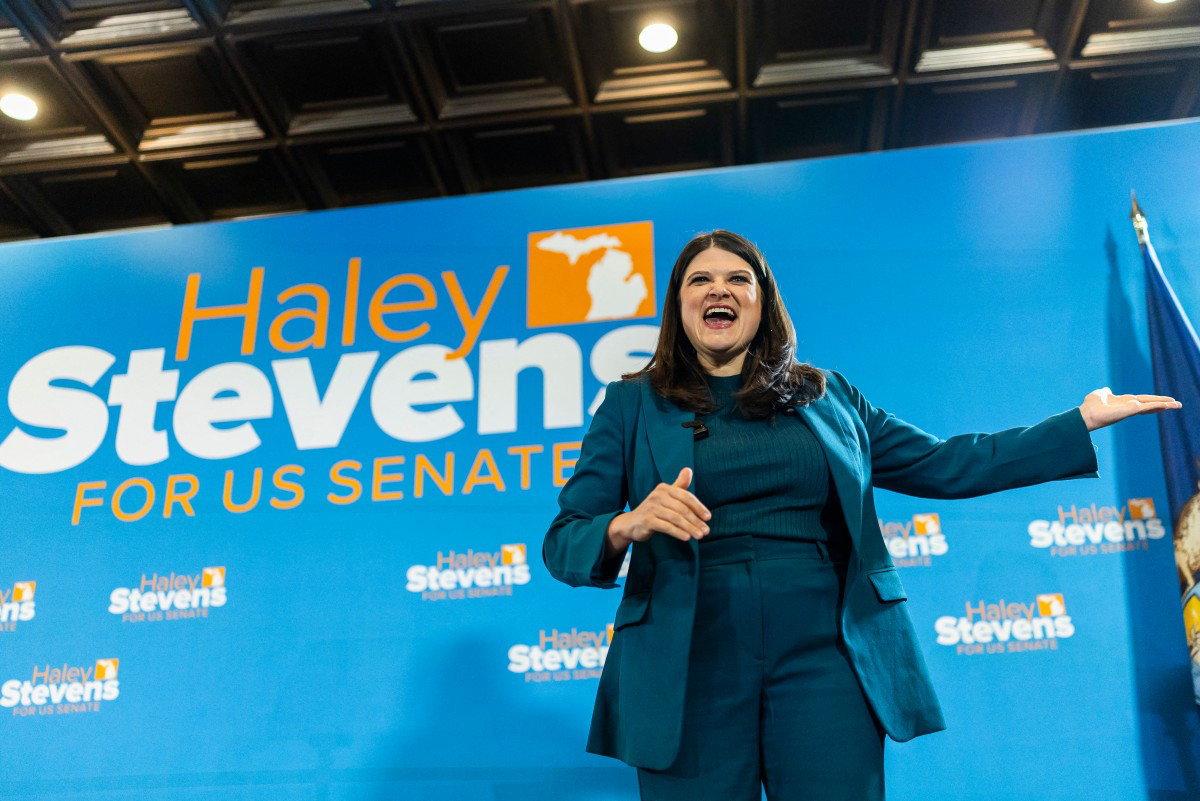
The Egyptian-American physician and former public health official defeated four-term US Rep. Haley Stevens by roughly one percentage point, after vote-counting continued into Wednesday morning.
He prevailed despite being dramatically outspent in one of the most expensive Democratic primary contests in US history.
The race was transformed into a national test of the influence of the American Israel Public Affairs Committee, or AIPAC, after the group and affiliated organizations poured more than $30 million into supporting Stevens or opposing El-Sayed.
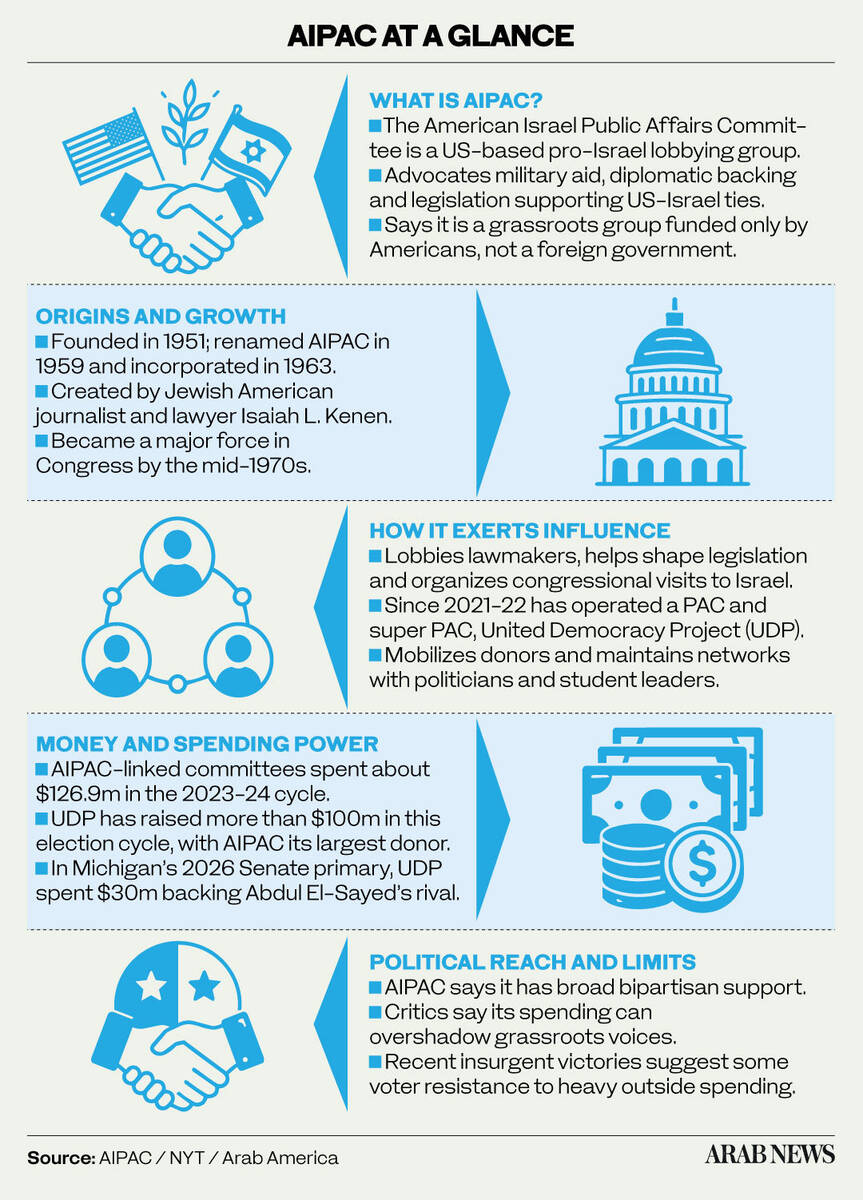
It was the largest investment AIPAC has made in a single US election contest.
Outside groups spent more than $60 million on Stevens’ behalf, or 78 percent of all spending targeting the primary in Michigan, according to estimates from AdImpact and other campaign-finance monitors.
El-Sayed’s campaign put the total spending against him at more than $75 million, including money from AIPAC-linked and other “dark money” groups, while saying it had spent less than $5 million. It cast the result as a victory for “the many versus the money.”
“Michiganders have spoken,” Alia Kapasi, El-Sayed’s campaign manager, said in a statement. “This was always going to be the many versus the money, and tonight, we have shown that Michiganders want money out of politics, money in their pockets, and Medicare for all.”
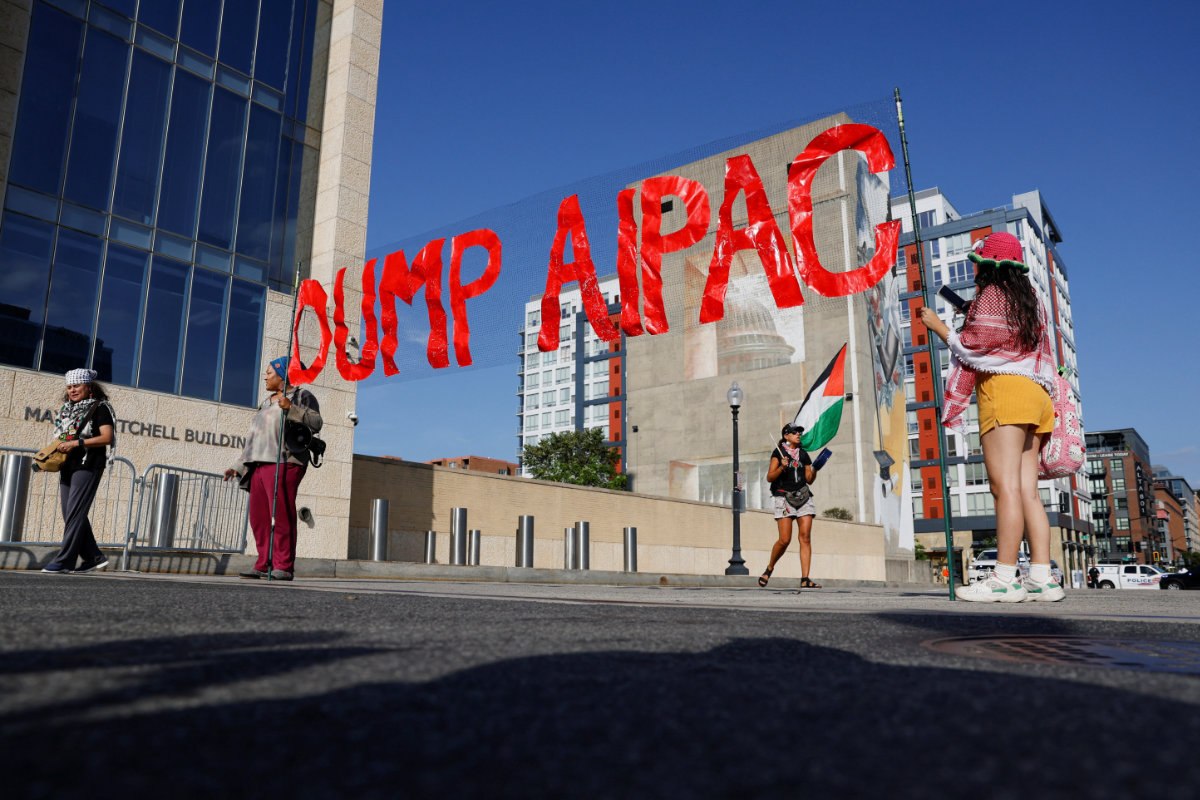
The result does not mean that money has lost its influence in American politics, nor that AIPAC can no longer shape Democratic races.
But it shows that even record spending may not be enough to overcome a strong grassroots campaign and a coalition motivated by issues that extend beyond conventional advertising — including Gaza, healthcare, economic inequality and distrust of the political establishment.
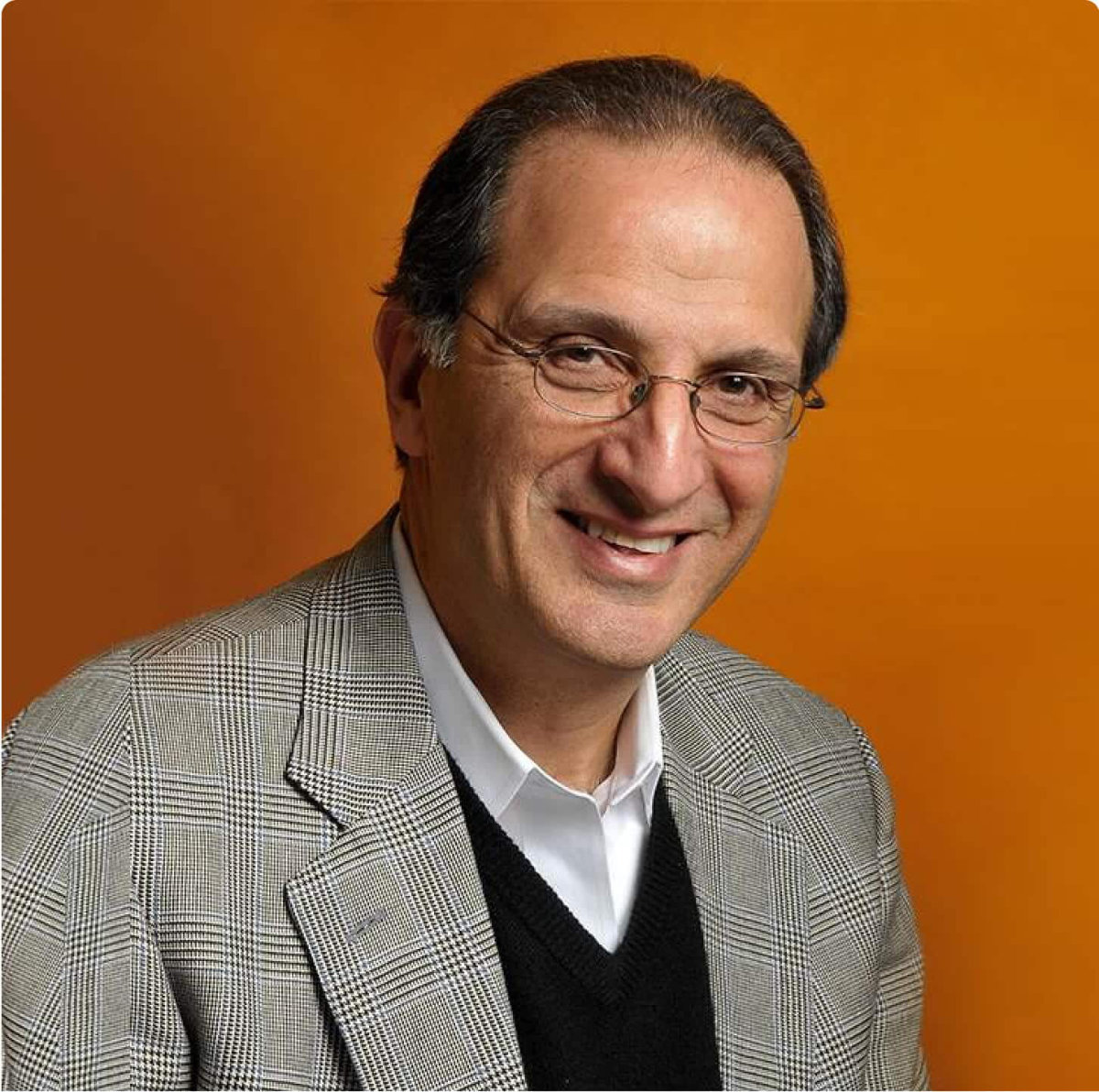
“Abdul El-Sayed’s win is a watershed moment in US politics. He defeated dark money. He showed that Israel and their lobby could be publicly debated and defeated,” Jim Zogby, founder of the Arab American Institute, told Arab News.
“His progressive agenda won out over the more centrist establishment’s ideas. And he made it clear that the much-maligned Arab American community could organize and win.”
The race has energized the political hopes of Arab and Muslim Americans, who saw in El-Sayed’s win a chance to strengthen both the Democratic Party and their own community’s voice — and a sign of acceptance within the party’s electoral process.
El-Sayed made the lopsided spending central to his campaign, arguing that AIPAC’s money was an attempt by wealthy donors and national lobbying groups to buy the Senate seat.
But his stance on Israel and Gaza was never a marginal talking point — it became one of the defining features of his campaign.
He has called Israel’s military campaign in Gaza a “genocide” and pushed to end unconditional US military aid and arms sales to Israel, arguing that funds should instead go toward healthcare, schools and housing at home.

“I believe in equal rights, peace, dignity and self-determination for Palestinians and Jewish Israelis alike,” El-Sayed said during the campaign.
Analysts say that position helped El-Sayed’s campaign resonate well beyond Michigan, drawing support from progressives, younger voters, anti-war activists, union members and voters who viewed the race as a referendum on corporate and lobbying money in Democratic politics.
“El-Sayed’s primary win, regardless of the narrow margin, proves that the tide is turning in our political arena,” Illinois political campaign consultant Sawsan Abubaker, told Arab News.
“AIPAC poured millions of dollars into this race to support their corrupt political establishment candidate, and they suffered a significant loss. This proves that Americans want change and will fight for it.”
Tuesday’s result reflects a broader shift within parts of the Democratic base since the war in Gaza began.
AIPAC has increasingly become a dividing line in Democratic primaries, while criticism of US support for Israel has moved from the party’s margins into mainstream debate. In July, 103 House Democrats voted unsuccessfully to block a new tranche of US aid to Israel.
Polling suggests AIPAC’s brand carries little goodwill among Democratic primary voters. A Detroit News/WDIV survey found 49 percent of likely Michigan Democratic primary voters viewed AIPAC unfavourably, against just 12 percent favourable.
READ MORE:
• Republican congressional candidate says she will not accept AIPAC funds
• Pro-Israel campaign donations far exceed pro-Arab funding in American elections
• How Israel exports its oppression to America
A separate Data for Progress poll, commissioned by Drop Site and Zeteo, found that 64 percent would be less likely to support a Senate candidate who received donations from AIPAC or other pro-Israel groups.
These numbers should be read with caution: as demonstrated in the 2024 elections, voters rarely cast ballots based on their opinion of a single lobbying group, and strategists note the economy and cost of living remain more pressing concerns for many.
Still, El-Sayed managed to link Gaza to domestic economic grievances, arguing that money spent on foreign military aid competes directly with the needs of Michigan families facing high healthcare, housing and education costs.
El-Sayed’s biography reinforced that appeal. The son of Egyptian immigrants, he studied at the University of Michigan before earning a medical degree from Columbia University and a doctorate from Oxford as a Rhodes Scholar.
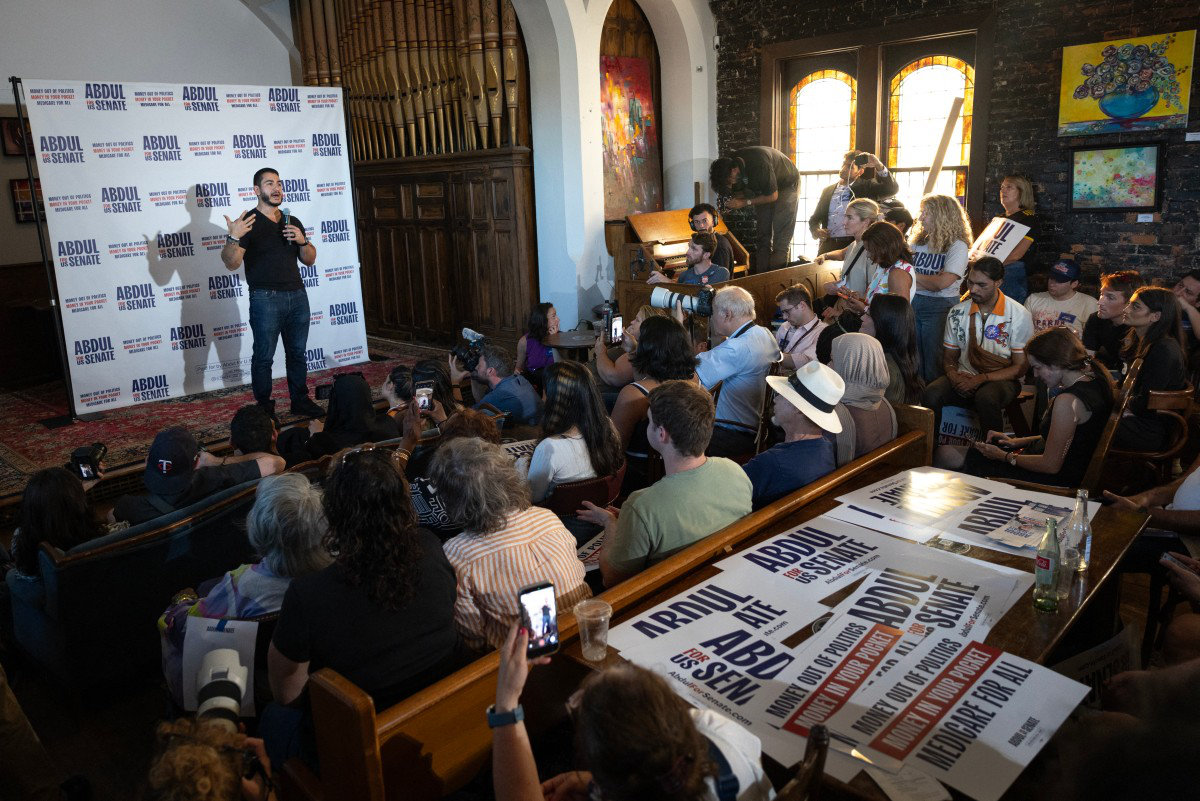
He led the Detroit Health Department from 2015 to 2017, ran unsuccessfully for Michigan governor in 2018, and later headed Wayne County’s Department of Health, Human and Veterans Services.
While El-Sayed’s victory reflects growing frustration with the Democratic party establishment, it would be premature to call it a nationwide realignment.
Indeed, Wesley Bell’s decisive 59 percent to 37 percent win over anti-AIPAC challenger Cori Bush in Missouri’s Democratic primary on Tuesday shows that the battle over outside influence is far from settled.
Not all Democrats welcomed the result. Pennsylvania Sen. John Fetterman, a vocal Israel supporter, criticized El-Sayed’s win and warned against the rising influence of what he called “critics of Israel” and “supporters of Hamas.”
Some Republicans, meanwhile, argued that crossover voting may have skewed the result, since Mike Rogers ran unopposed in the Republican primary.
Those arguments will resurface in the general election. El-Sayed — who, in the primary’s final days all but dared AIPAC to spend against him again — will face Rogers, a former congressman and FBI special agent backed by President Donald Trump.
Stevens has nonetheless urged Democrats to unite behind El-Sayed to keep the seat blue.
A win in November would make El-Sayed the first Muslim elected to the US Senate, and only the second Egyptian-American to serve in the chamber after George Helmy, an Egyptian American Coptic Christian appointed to a temporary New Jersey seat in 2024 following the resignation of disgraced Sen. Bob Menendez.
For Arab and Muslim Americans, the symbolism is significant, not just a potential historic first, but a challenge to the assumption that candidates from minority communities must soften their identity or foreign policy views to win.

The November race will test whether the coalition that carried El-Sayed through the primary can grow beyond the voters most energized by Gaza, AIPAC and progressive politics.
For now, his victory offers a narrower but consequential lesson — that powerful lobbying groups can spend millions and dominate the airwaves, but cannot guarantee a result once voters believe an election is being bought from under them.
“This race has assumed a national importance because it impacts the future of the Democratic party itself and the tensions that exist in our nation,” Palestinian-American political analyst Khalil Jahshan told Arab News.
He described El-Sayed as a role model, noting it is encouraging for the country to see a candidate who does not come from a traditional background run for public office.
“It impacts the future election in November and who will be in control of the US Senate,” he said. “The focus of attention takes this beyond a local senate race in any race we have seen.”