- Khyber Pakhtunkhwa has reported highest number of deaths, 64, followed by Punjab with 53 and Sindh with 15
- Fresh rain spell likely from August 8 across Pakistan’s Punjab, northeast Sindh and Khyber Pakhtunkhwa provinces
ISLAMABAD: The death toll from monsoon rains since June 26 in Pakistan has risen to 151, the National Disaster Management Authority (NDMA) said in its latest situation report this week, as authorities forecast a fresh rain spell in the country from August 8.
Heavy rains have lashed Pakistan since June 26, particularly its northwestern Khyber Pakhtunkhwa (KP) and Punjab provinces. KP has reported the highest number of deaths, 64, followed by Punjab with 53, Sindh with 15, Balochistan with 8, Azad Kashmir with 10 and the northern Gilgit-Baltistan with one death.
Most of the deaths have taken place from drowning, house collapses, electrocutions and flash floods, as per the NDMA. Around 448 people have been injured since June 26, with 150 children, 108 females and 190 males.
“Current meteorological conditions and analysis indicate that a fresh wet spell is likely to commence from 8th August,” the NDMA said in its report on Thursday. “Under the influence of upcoming weather system moderate rainfalls at scattered places are expected over Punjab, northeast Sindh and Khyber Pakhtunkhwa.”
It said that a westerly weather system is likely to affect the upper parts of the country from August 10, triggering moderate to heavy rainfalls in the upper catchments of all major rivers, along with Islamabad, Azad Kashmir, Gilgit-Baltistan, KP and upper Punjab.
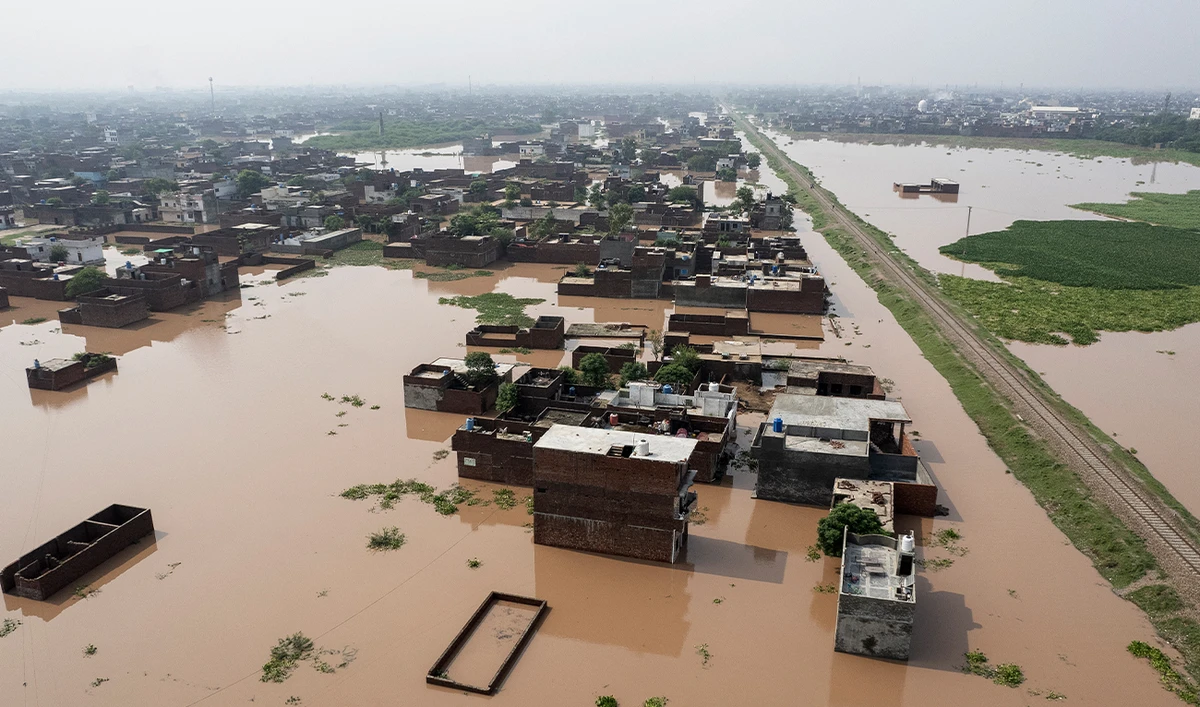
Pakistan is among the countries most vulnerable to climate change despite contributing less than one percent of global greenhouse gas emissions. Floods in 2022 submerged a third of the country, killed more than 1,700 people and caused billions of dollars in economic losses.
Since the devastating 2022 floods, authorities have expanded glacial lake monitoring, weather forecasting and emergency coordination in an effort to improve preparedness and reduce disaster risks.
Pakistan has experienced increasingly erratic weather in recent years, ranging from prolonged heatwaves and droughts to devastating floods. Scientists say climate change is increasing both the frequency and intensity of such extreme weather events, posing growing risks to vulnerable communities across the country.