JEDDAH: Saudi Arabia’s Music Commission has announced a strategic partnership with the Jazz in Jeddah platform, an initiative organized by Call of Culture to boost private-sector collaboration and accelerate the growth of the Kingdom’s music sector.
The partnership builds on a previously signed memorandum of understanding aimed at fostering high-quality cultural initiatives and supporting local talent.
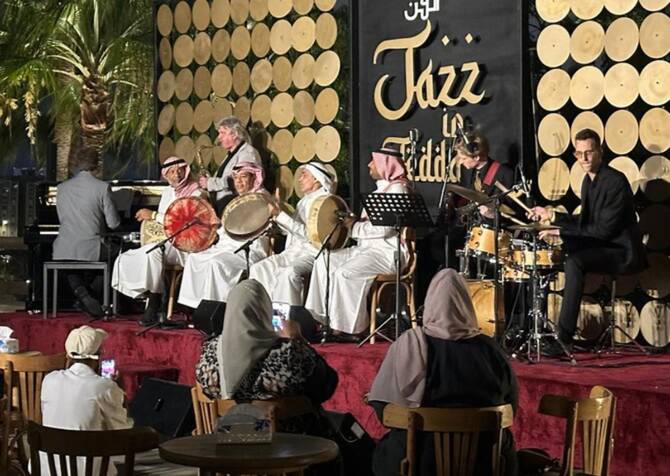
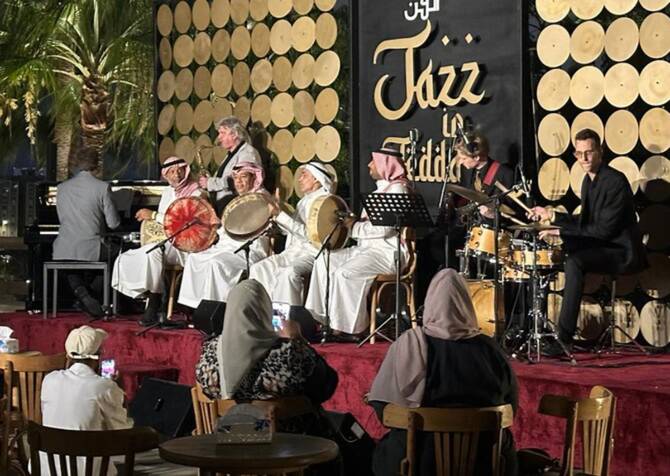
Dedicated to developing emerging musicians, Jazz in Jeddah blends the global genre with Saudi musical heritage. The platform features cultural exchange initiatives, artist development programs and yearly partnerships with international festivals across more than 10 countries.
The upcoming edition of Jazz in Jeddah will take place in October in the city’s historic Al-Balad district, bringing together local and international artists to create opportunities for live performances and creative exchange.
“Saudi audiences and musicians deserve a world-class stage. This strategic partnership strengthens our ability to expand the presence of jazz while investing in Saudi artists and the Kingdom’s musical heritage,” said Mohammed Bakhreiba, founder of Jazz in Jeddah.
Under the agreement, Saudi musicians will gain direct access to specialized training, mentorship programs, and collaborative performance opportunities alongside international artists.
Paul Pacifico, CEO of the Music Commission, said: “The music sector grows stronger when institutions and the private sector work together. Jazz in Jeddah has built a meaningful connection with audiences and artists, and this partnership enables us to create lasting opportunities that strengthen Saudi Arabia’s music landscape and advance its international cultural presence.”
Bakhreiba told Arab News that the platform was born from his personal passion for jazz but evolved after discovering the genre's deeper roots in Jeddah's artistic movement.
He said learning about pioneers such as Siraj Omar, one of the founders of Saudi Arabia's art movement in Historic Jeddah, and his jazz compositions in the 1980s was "truly inspiring."
"It showed us that jazz has always had a connection with this city, which is diverse, cosmopolitan, and naturally reflects the spirit of jazz itself, bringing different influences together in harmony," Bakhreiba said.
He said the vision has always been to use jazz as a bridge between Saudi heritage and the world, adding that Jazz in Jeddah is "not just a festival" but "a platform built on four pillars: empowering local talent through education and development, producing original music, creating bridges with international jazz communities, and celebrating the art form itself."
"Through this partnership with the Saudi Music Commission, we aim to create more opportunities for Saudi musicians to learn, collaborate, and perform on international stages while showcasing the richness of our own musical heritage," he said.
Bakhreiba said incorporating traditional Saudi music into jazz is a way of "telling our story." He said the platform has experimented with traditional sounds such as Al-Khbaiti and Yanbaawi music from Jeddah, as well as the Sufrika instrument from Asir in collaboration with the Saudi Music Commission's Trouq program. "This cultural exchange allows us to celebrate who we are while opening a dialogue with the world."
He added that the growth of Jazz in Jeddah reflects the importance of public-private partnerships. "The public sector provides access and opportunities, while the private sector brings flexibility, creativity, and agility. Together, we can accelerate the development of Saudi talent, expand the platform regionally and internationally, and contribute to the continued growth of the Kingdom's music landscape," Bakhreiba said.