- Old banknotes will cease to be legal tender on July 31
- Central bank says about 80% of old currency has already been exchanged
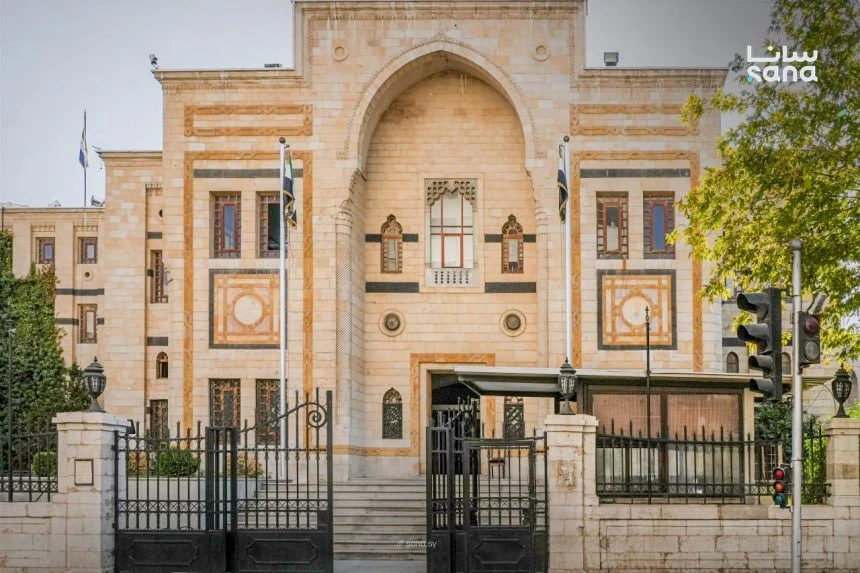
LONDON: Syria’s old banknotes, bearing the image of ousted President Bashar Assad, lost their status as legal tender on Thursday, closing a monthslong exchange window that the Central Bank of Syria says has already pulled roughly 80 percent of the old currency out of circulation since January.
The bank ended speculation over a possible further extension on Sunday, confirming that old notes would become invalid for circulation starting July 31.
The announcement capped a transition period marked by public confusion, shortages of new small-denomination notes, and allegations of black-market manipulation in the final days before the deadline.
“Ending the old banknotes’ status as legal tender formally closes the main phase of the currency replacement process,” said Benjamin Feve, a senior consultant at Karam Shaar Advisory.
“While some of the currency can still be replaced, (July 31) marks the beginning of a new phase, with only one recognized currency in circulation.”
He said the shift should simplify transactions and give policymakers a clearer view of the money supply, a key step toward restoring confidence in the monetary system.
Feve added that removing old notes allows the Central Bank to better gauge how much currency is in circulation, potentially improving its ability to manage inflation and stabilize the pound.
The Central Bank said exchanges at financial institutions and designated centers would end July 30, with a five-year withdrawal period beginning July 31, subject to conditions. Withdrawals will be handled exclusively by the Central Bank, and each application must include at least 100 banknotes.
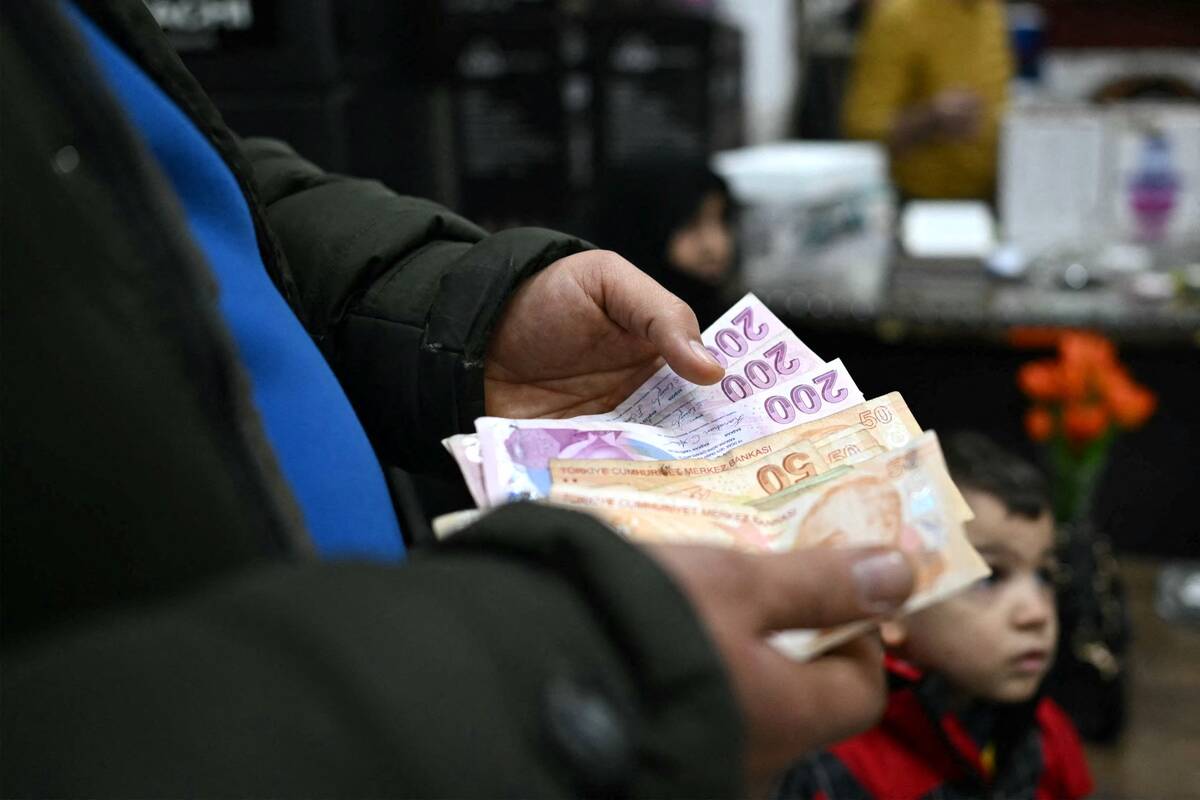
As the deadline approached, anxiety spread among residents still holding old notes. By July 27, locals say some businesses in Damascus had begun refusing them, even as customers reported receiving old notes as change.
Residents in the capital said the exchange window had already been extended by two months, but argued that black-market traders have been pushing old currency back into circulation to offload their holdings.
“Many supermarkets don’t want to accept the old currency,” said Salma Saleh, a Damascus-based graphic designer. “Word of mouth suggests it might be a black-market operation run by currency traders.”
She told Arab News traders may have been incentivizing businesses to circulate the notes. “I’ve heard they’re even paying shop owners a cut — giving them, for example, a ledger and a commission — so they’ll circulate the cash,” Saleh said.
New restrictions compounded the squeeze, as exchange companies have been capping transactions at 100 million pounds and requiring receipts, Saleh said. The telecom operator Syriatel has also notified customers it would stop accepting old-currency transfers after July 29.
At the same time, the transition has exposed practical problems. Feve said shortages of new banknotes, especially small denominations, have made it difficult for businesses to give proper change.
“The new series does not include a five-pound note,” he said. “So if a customer was owed, for example, five new pounds in change, businesses often had no choice but to give the equivalent in old 500-pound notes.”
Reporting by Enab Baladi on July 23 described a shortage of new 10-, 25- and 50-pound notes, forcing merchants and money changers to rely heavily on older, larger denominations to complete daily transactions. The shortage extends beyond street vendors to retail shops and money changers struggling to provide change.
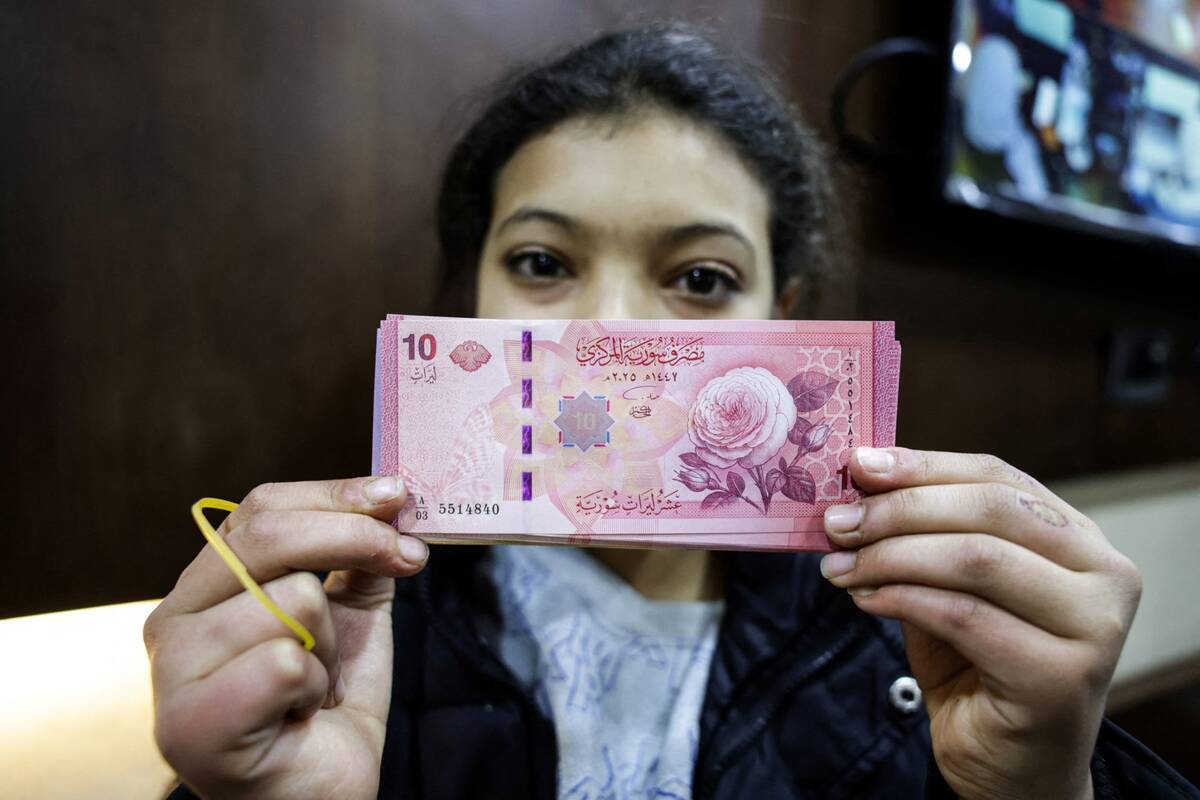
The currency transition has introduced a redenominated Syrian pound, with two zeros dropped from face value — 100 old pounds now exchange for one new pound.
Feve said withdrawing the old notes won’t eliminate speculation entirely, but it narrows the room for financial abuse.
“During the exchange process, holding unusually large amounts of cash increasingly required people to justify the origin of those funds — especially now that exchanges can only be carried out through the Central Bank,” he said.
“This makes it harder to launder illicit cash or move informal money into the formal financial system.”
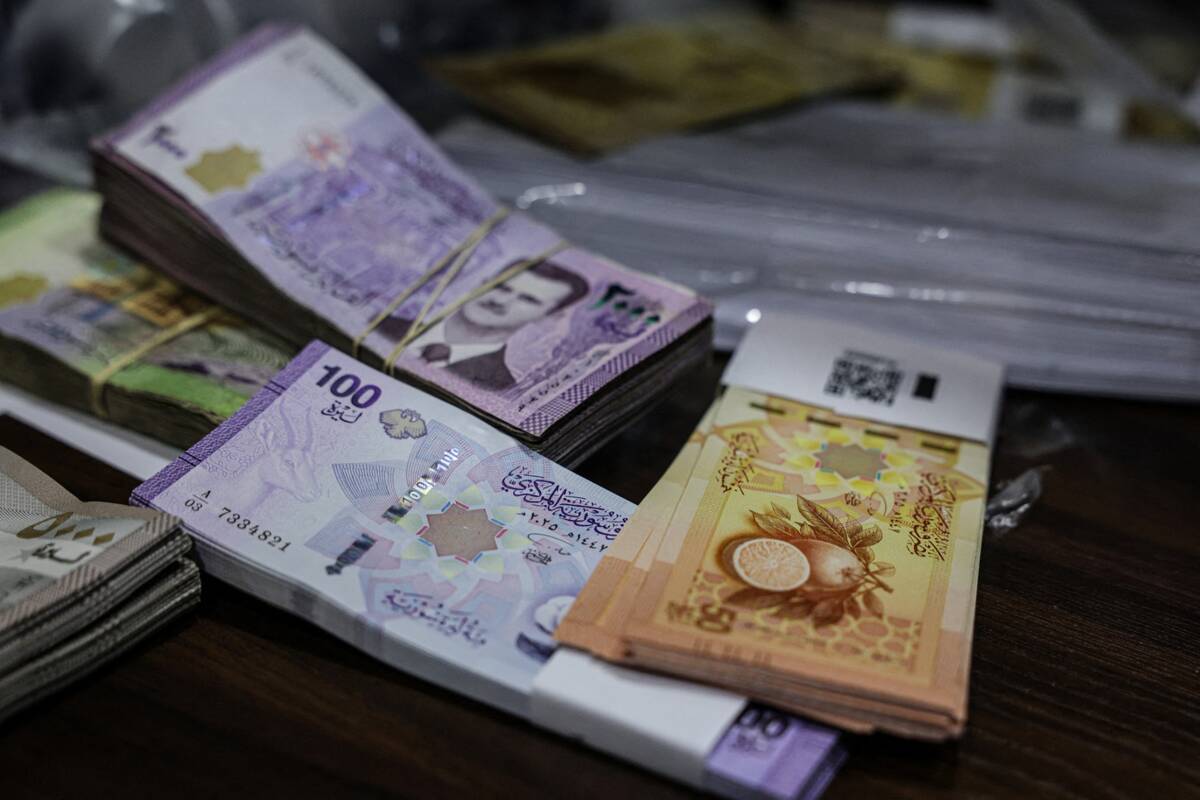
But beyond logistics, the Central Bank’s policy has raised concerns about access and fairness. Because withdrawals must be processed through the Central Bank, residents in remote areas may be forced to travel long distances — often through insecure routes — to exchange their money.
The requirement to present at least 100 banknotes per application has also drawn criticism, particularly for those holding smaller amounts of cash.
Analysts and residents say expanding access — such as allowing exchanges at central bank branches across the country — could ease pressure and reduce risk. A recent move to open a new branch in Idlib has been cited as a potential model for broader access.
Feve said the Central Bank’s decision to require people to travel to Damascus to exchange old notes created challenges for those living far away. He also pointed to the risks and cost of traveling across Syria, and said the 100-note minimum could be burdensome for people trying to exchange smaller holdings.
“I hope the Central Bank of Syria will make some amendments,” Feve said. “One solution could be to allow people to exchange currency at central bank branches across the country.”
Despite the strains, the exchange deadline marks another step toward a single currency system that officials say could help restore confidence in the pound.