

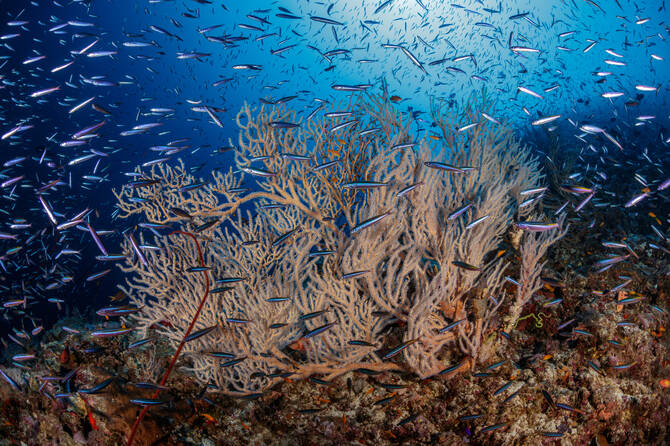



MAKKAH: Saudi Arabia is positioning its protected areas as global eco-tourism destinations while keeping conservation at the heart of every development decision, says the National Center for Wildlife.
A spokesperson told Arab News the Kingdom was building its eco-tourism sector on scientific principles that prioritize protecting ecosystems, supporting local communities and creating sustainable economic opportunities.
Nature comes first, with no protected area open to visitors until it has undergone environmental assessments measuring habitat sensitivity and visitor capacity.
Based on the findings, the authorities determine visitor routes, capacity limits, operating hours and accessible zones, with stricter controls applied to fragile habitats and during sensitive seasons.
Visits are managed through advance permits, designated trails and trained guides, while environmental impacts are continuously monitored to ensure tourism does not harm wildlife or their habitats.
The official said local communities were central to the success of the model. Residents are woven into the whole tourism value chain — hired as guides, drivers and service providers, and supported in running lodges, traditional kitchens, handicraft stalls, farms, and transport and trip-organizing services.
The goal is to “keep the money close to home,” giving residents a direct economic incentive to protect nearby reserves.
Private-sector investment is also encouraged, provided projects meet strict environmental standards. Any development within protected areas must undergo environmental review and comply with each site’s carrying capacity and natural and cultural character, including requirements governing building density, water use, energy efficiency and waste management.
The official said this ensured that conservation remained the priority while allowing carefully managed, low-impact tourism development.

Visits are managed through advance permits, designated trails and trained guides. (Supplied)
That caution extends to the Kingdom’s efforts to reintroduce endangered species. Trails are routed around breeding grounds, water sources, feeding areas and wildlife corridors, with the most delicate spots fenced off or closed seasonally.
Rangers watch how animals respond, and if visitors cause too much disturbance, routes can be redrawn, numbers cut or activities halted altogether.
The center is also working to promote responsible visitor behavior through visitor centers, trained guides, educational signage and digital awareness campaigns encouraging visitors to stay on marked trails, avoid feeding or approaching wildlife, protect vegetation, minimize noise and leave no trace.
Educational programs for schools and families, together with volunteer clean-up and monitoring initiatives, aim to encourage greater public participation in conservation.
Looking ahead, the official said success would not be measured by visitor numbers alone. Instead, it plans to expand specialized experiences, including eco-safaris, hiking, wildlife and birdwatching, organized camping and community-based tourism.
The experiences will be supported by improved infrastructure, digital booking services, trained guides and partnerships with local and international organizations, with the goal of highlighting Saudi Arabia’s natural landscapes while preserving them for future generations.


