
RIYADH: Animal and nature lovers in the Kingdom have been offered new destinations to watch wildlife and experience biodiversity.
Mohammad Qurban, chief of the National Center for Wildlife, said that this marked a new stage in the development and conservation of wildlife biodiversity in the Kingdom.
“The Kingdom is blessed with exceptional natural wealth and biodiversity spanning coasts, islands, mountains, valleys and deserts — embracing more than 65 ecosystems and over 12,000 species of living organisms,” he told a press conference on Wednesday.
Qurban said that the center had focused on building capacity and preparing infrastructure, aligning programs with Vision 2030, National Environment Strategy, and the Saudi Green Initiative.
The official highlighted initiatives to release wild animals into natural habitats as a key indicator of progress, alongside the expansion of protected areas on land and at sea.
“During this period, we have released more than 10,000 wild animals into their natural habitats,” he said.
Qurban said that the expansion of protected areas supported the Kingdom’s target to protect 30 percent of its land and sea by 2030.
He pointed to scientific surveys aimed at strengthening the evidence base for conservation planning, citing marine research in the Red Sea and a new plan to map ecosystems nationwide.
“Today, we move with these achievements into a new phase that enables the community and visitors to learn about the richness of Saudi nature and to discover wildlife in its natural habitats through high-quality experiences,” he said.
Qurban said that the new package included safari-style experiences, expanded birdwatching options, and designated locations for viewing selected species.
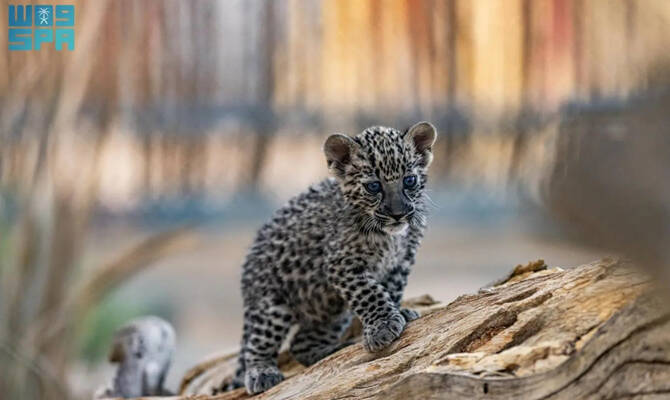
He cited bird-focused sites in several destinations, including the Farasan Islands Reserve, along with wildlife-viewing opportunities in protected areas such as the Imam Saud bin Abdulaziz Royal Reserve, where visitors can also see the Arabian oryx.
On managing eco-tourism growth alongside conservation, the official told Arab News that the center operates according to protocols and procedures that must not be violated.
“We work in cooperation with the relevant authorities responsible for tourism and the tourism project,” he said.
Qurban said that visitor management was built into reserve operations, including capacity limits and on-the-ground guidance.
“We don’t exceed the allowed number — each reserve has a set capacity. They have designated sites and conditions,” he said.
Qurban said that conservation safeguards were essential if investment and development in the wildlife sector was to continue.
“To preserve biodiversity — and if you want investment and development in the wildlife sector to continue — we have to protect these resources,” he said.
“Coral reefs, nature reserves, plants or even living organisms; we must protect them so they truly remain a source of beauty for the region, and for visitors who want to come.”
Qurban said that monitoring and conservation work continued in parallel with public access, including regular field assessments.
“We have conservation and enhancement protocols for the releases/rehabilitation efforts we’re following now,” he said.
He said that trained staff carried out twice-yearly field assessments of the reserves, including population counts, species tracking and checks for emerging challenges.
“These projects include visitor centers, environmental trails, viewing and observation sites, and supporting facilities.”
Qurban added that the sites were designed around sustainability principles and responsible tourism.
He said that partnerships across the public, private and non-profit sectors would help to expand wildlife-related offerings while supporting local communities and Vision 2030 goals.