RIYADH: Uber Technologies’ planned takeover of Delivery Hero is set to reshape Saudi Arabia’s booming food delivery sector, giving the US mobility giant direct control over one of the Kingdom’s leading platforms.
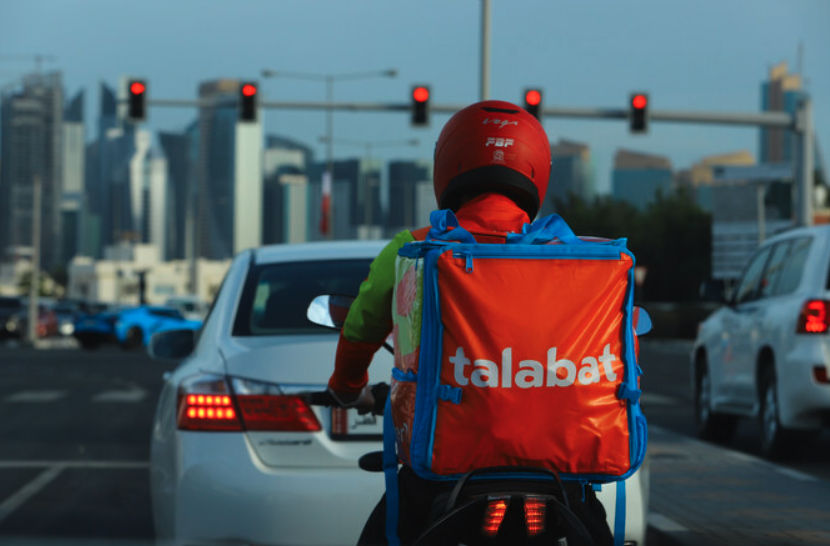
The $14.8 billion deal brings HungerStation — fully owned by Delivery Hero and a key player in Saudi Arabia — under Uber’s umbrella, alongside broader Gulf Cooperation Council assets like talabat.
This move will also give Uber — of which the Saudi Public Investment Fund has a 3.58 percent stake valued at $5.24 billion — an established network, loyal customer base, and operational infrastructure in the Kingdom, bypassing the need for a costly ground-up buildout.
The Saudi delivery apps market — encompassing food, grocery, pharmacy, and other on-demand services — stood at approximately $8.33 billion in 2025 and is estimated to reach around $9.59 billion in 2026, according to Mordor Intelligence.
The market is projected to nearly double to $19.45 billion by 2031, expanding at a compound annual growth rate of 15.18 percent during the 2026–2031 period.
With this acquisition, Uber gains immediate scale in a high-growth market where online food delivery is fueled by Vision 2030-driven urbanization, a young population, rising disposable incomes, and expanding restaurant ecosystems.
Delivery Hero’s management has recommended that shareholders approve the deal. The transaction is expected to close in the second half of 2027, subject to regulatory approvals and other customary closing conditions.
Speaking to Arab News, a spokesperson for Delivery Hero said: “HungerStation has been incredibly successful because it’s been built around the needs of its local customers. That commitment doesn’t change. We are confident that the proposed offer has the potential to accelerate innovation and to expand choice, value and convenience for customers, partners and riders.”
Implications on Saudi market dynamics
Saudi Arabia has emerged as a standout performer for Delivery Hero, boasting the group’s highest subscription penetration rates. High subscription loyalty in Saudi Arabia — where over 60 percent of order value in key segments comes from subscribers — provides a ready base for upselling and retention strategies.
Control of HungerStation allows Uber to leverage its global expertise in AI, dynamic pricing, fleet optimization, and data analytics. This could lead to faster delivery times and more competitive pricing, creating a powerful super-app experience.
Gadzhibala Pirmagomedov, project owner at UAE-headquartered restaurant management platform Syrve MENA, said the acquisition would significantly boost Uber’s position in Saudi Arabia by combining its existing ride-hailing business with HungerStation’s delivery network.
“Uber already operates in Saudi Arabia as a ride-hailing service. The Delivery Hero acquisition strengthens Uber’s position in the market and turns it into the biggest player,” he told Arab News, adding that Uber could replicate its Careem strategy by expanding HungerStation into a broader super-app ecosystem.
The acquisition is also expected to heighten competition and market consolidation in Saudi Arabia, as the Kingdom’s food delivery space is already crowded.
Local champion Jahez Group has expanded through partnerships with companies including noon, while Meituan’s Keeta has quickly captured share via aggressive subsidies and execution.
As a technological giant like Uber enters the market, smaller players and quick-commerce entrants will face greater pressure from a better-resourced global competitor.
This could accelerate innovation but also raise barriers for new entrants, potentially leading to further mergers or niche positioning among survivors.
For the Kingdom, Uber’s strengthened presence could catalyze further digital transformation in the food and logistics sectors, supporting economic diversification.
Yet, the long-term impact hinges on how competition evolves, how benefits are distributed among stakeholders, and how regulation balances growth with fairness.
“HungerStation is the largest aggregator and Delivery Hero’s key asset in Saudi Arabia. The other two major aggregators are Jahez and Keeta … We could expect further consolidation ahead, as players look to strengthen their market positions,” said Pirmagomedov.
Looking ahead, Pirmagomedov expects competition to intensify, particularly as Keeta expands its presence in the Kingdom.
“Competition is having a positive effect on market penetration. But companies can’t subsidise costs indefinitely, and eventually that has to give. Our forecast is that the main battle for the market will be between Uber and Keeta,” he said.
Benefits and challenges for stakeholders
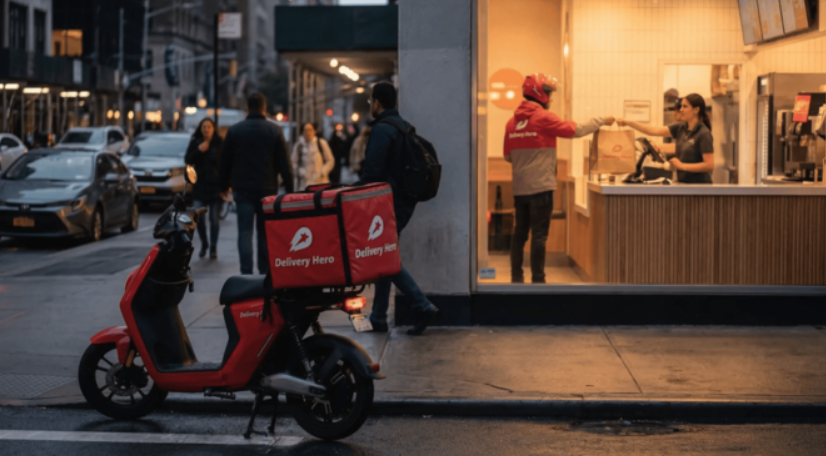
With the new acquisition, consumers in the Kingdom can expect improved service levels, wider merchant choices, and potentially more attractive loyalty programs.
Access to Uber’s broader marketing reach and logistics tools may boost visibility and order volumes for restaurants and merchants, but larger platforms often exert commission pressure, squeezing margins for smaller outlets.
Higher order density could mean more earning opportunities for riders and workers, but gig economy issues around wages, conditions, and protections remain critical.
Wider regional context
The acquisition extends similar advantages across the GCC via talabat, reinforcing Uber’s position in key markets like the UAE.
The company’s move, combined with its existing ownership of Careem, is also expected to create a near-monopoly in the GCC’s integrated mobility and delivery market.
By bringing HungerStation in Saudi Arabia and talabat across the Gulf under its control alongside Careem’s ride-hailing dominance, Uber would command an unparalleled ecosystem spanning food delivery, quick commerce, and transportation.
For Saudi Arabia specifically, Uber’s strengthened presence through HungerStation is poised to catalyze further digital transformation in the food service and logistics sectors.
Ultimately, this deal underscores the Kingdom’s rising strategic importance in the global food delivery arena — not just as a high-growth consumer market but as a regional launchpad for technology platforms.
With deals like these, the Kingdom’s delivery ecosystem is set to become even more dynamic, innovative, and fiercely contested, with ripple effects likely to influence the broader GCC and MENA foodtech landscape for years to come.