WASHINGTON: The Trump administration on Friday opened an unfair trade practices investigation into Vietnam’s intellectual property protection policies and enforcement that may lead to new tariffs or other trade measures.
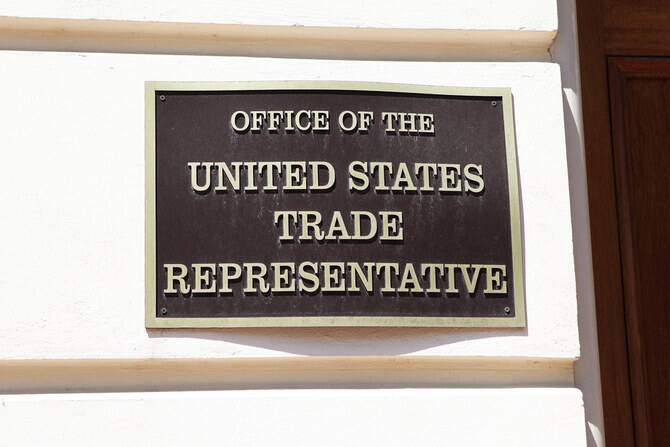
Vietnam was identified as a priority country by the US Trade Representative’s office on April 30 “due to its persistent failure to resolve long-standing concerns about IP protection and enforcement,” the USTR said.
Vietnam’s foreign ministry said the probe “is a procedure carried out under US law” and that issues would be addressed through consultations, adding that the United States had acknowledged Vietnam’s efforts and urging an “objective and fair assessment.”
Vietnam said it remains committed to strengthening intellectual property protection and enforcement.
During President Donald Trump’s first term in office, USTR used a Section 301 investigation into China’s IP-misappropriation and technology-transfer practices to impose sweeping tariffs of 25 percent on hundreds of billions of dollars’ worth of annual Chinese imports.
Trade Representative Jamieson Greer said in a statement that, while Vietnam has taken some steps in recent years to address IP concerns, infringement “continues to impair the competitive position of US innovators and creators.”
“We need to see Vietnam resolve these long-standing concerns, including on a range of IP enforcement issues, in a manner that is sustained and that deters future IP infringements,” Greer said.
Leif Schneider, head of international law firm Luther in Vietnam, said Vietnam “has made substantial progress in modernizing its regulatory IP framework” over the past decade.
“The difficulty, however, has always been less about legislation and more about implementation. Administrative enforcement remains uneven, penalties often lack deterrent effect, and online infringement continues to outpace regulatory capacity.”
The probe coincides with a surge in Vietnam’s exports to the United States, which in the first three months of this year led to a US trade deficit with Vietnam of $54.8 billion, higher than those with major exporters China and Mexico, US data shows. The Trump administration has repeatedly said it wants to reduce trade deficits.
Counterfeits were widely available this week in a large wholesale market in Hanoi, and streaming websites operated from Vietnam continued to offer pirated content despite a government crackdown launched early this month, Reuters reported.
Vietnamese authorities conducted a similar crackdown last year after the Trump administration unveiled tariffs of 46 percent on imports from Vietnam, which have since been reduced to 10 percent. Vietnam has been in negotiations with Washington, its largest export market, on a trade agreement for the past year.
USTR said in a Federal Register notice that it has opened a docket for public comments on the matter through July 2.


![]()

US investigates Vietnam’s intellectual property practices
Short Url
https://arab.news/n8wen
US investigates Vietnam’s intellectual property practices
- Vietnam’s foreign ministry said the probe “is a procedure carried out under US law“
- Vietnam said it remains committed to strengthening intellectual property protection and enforcement


Latest updates





© 2026 SAUDI RESEARCH & PUBLISHING COMPANY, All Rights Reserved And subject to Terms of Use Agreement.