- The second vessel, Mihzem, with capacity of 174,000 cubic meters, departed Ras Laffan and is heading toward Port Qasim in Pakistan
- Minister says the ‘leadership from Pakistan, Qatar, Iran and the US’ was involved in the process to ensure Pakistan gets LNG cargoes
ISLAMABAD: Pakistan has received one liquified natural gas (LNG) cargo from Qatar, while another is en route to the country through the Strait of Hormuz, officials said on Monday, amid an ongoing conflict between the United States (US) and Iran.
An LNG tanker Al Kharaitiyat, with capacity of 211,986 cubic meters, crossed Hormuz via the Iranian-approved northern route and safely reached Pakistan, an official of the Pakistani petroleum ministry, who requested anonymity, told Arab News.
Another vessel, Mihzem, having capacity of 174,000 cubic meters, departed Ras Laffan and is heading northeast toward Port Qasim in Pakistan’s south, where it is expected to arrive on May 12, according to LSEG shipping data.
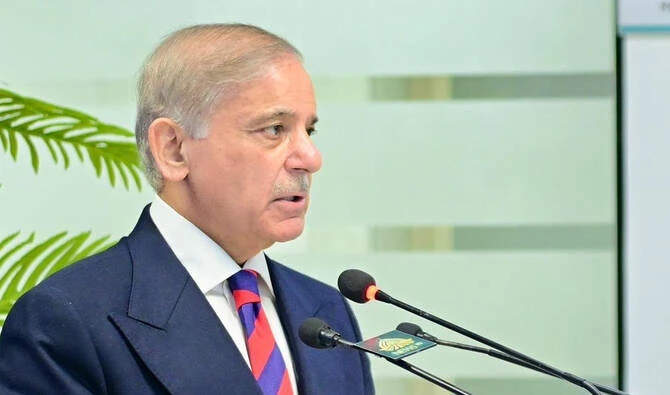
“The highest level of leadership from Pakistan, Qatar, Iran and the US were involved to ensure Pakistan gets LNG supply from Qatar through Strait of Hormuz,” Pakistan Energy Minister Ali Pervaiz Malik said at a meeting of the Senate Standing Committee on Petroleum on Monday.
The LNG is being sold by Qatar to Pakistan under a government-to-government deal, according to officials. Iran reportedly approved the shipments to help build confidence with Qatar and Pakistan, a key mediator in talks with the US.
The petroleum ministry official said one cargo typically has 3 billion cubic feet (bcf) of LNG which can last 12 to 15 days.
“The previous ship that was docked on 30th April in Karachi is still working and will continue to supply gas to Pakistani power plants for two more days,” he said.
“If you drain it quickly you can finish it in three days but if you use it slowly it can last for 30 days,” he said about the quantity of gas in one cargo.
Energy Minister Malik told the committee in a written presentation that 100 percent of Pakistan’s LNG supply from Qatar had been impacted owing to the closure of the Strait of Hormoz, with Qatar sending a potential Force Majeure indication on March 2.
“In view of the non-availability of LNG cargoes from Qatar, the regasification rates at both LNG terminals were reduced to the minimum level of 100 mmcfd (million cubic feet per day) thereby maintaining the available LNG inventory,” he said, adding that the country suspended regasification at Engro Elengy Terminal Pakistan Limited (EETPL) and Pakistan Gas Port Consortium Limited (PGPCL) terminals by the end of March.
The Pakistan LNG Limited (PLL) initiated a tender on April 23 and procured one cargo for at a price of $18.4/MMBtu, which was delivered at PGPCL terminal on April 30. A regasification rate of 260 mmcfd is being maintained since then, according to the minister. The PLL has initiated another tender, which will be opened on May 11.
Qatar is the world’s second-largest exporter of LNG, with shipments mostly going to buyers in Asia. Iranian attacks in the Gulf in response to US and Israeli strikes, which began on Feb. 28, knocked out 17 percent of Qatar’s LNG export capacity, with repairs expected to sideline 12.8 million metric tons per year of the fuel for three to five years.
Earlier this month, the UAE’s ADNOC managed to send two LNG tankers through the strait after their tracking signals were switched off, according to shipping data, underlining the heightened risks and operational sensitivities in the waterway.
Malik told reporters in Islamabad that the Pakistani government was making efforts to safeguard both the people and the power division from global supply shocks and increase in energy prices.
“There is a lot of work being done,” he said. “You will see some practical benefits of this in the future as well.”
He appreciated the role played by friendly countries including Saudi Arabia and Qatar in ensuring Pakistan has sufficient energy supplies.
“I am grateful to all our friendly countries which are fully cooperating with Pakistan, keeping in view its needs and its importance,” Malik added.