

 How schools, universities are shaping Kingdom’s future workforce

As Saudi Arabia accelerates its shift toward a diversified, knowledge-based economy, the focus is on equipping individuals with skills to contribute across evolving industries. This means preparing a workforce that can think critically, adapt quickly, and apply knowledge in practical contexts, supported by both technical and human skills.
Alongside critical thinking, problem-solving, and decision-making, artificial intelligence literacy and digital awareness are becoming integral to how individuals operate in modern organizations. Qualities such as emotional intelligence, communication, and leadership enable individuals to lead effectively in fast-changing environments.
Education outcomes must keep pace with the evolving needs of the labor market, especially as the Kingdom’s economy becomes more innovation-led and digitally driven. Education providers play a critical role, with schools and universities forming a connected ecosystem that equips learners with the knowledge, skills, and confidence to apply them in professional settings.
From an early age, schools across Saudi Arabia focus on ensuring students are “future-ready.” This is achieved by developing a comprehensive set of competencies aligned with employer expectations and the Kingdom’s economic transformation.
Adaptability and continuous learning are central, with students encouraged to develop a growth mindset, embrace new technologies, and view professional development as a lifelong necessity. The ability to see the big picture, anticipate trends, and plan proactively is essential for future leaders in both the public and private sectors.
Technology is no longer a separate subject but the connective tissue of modern education. In a data-driven economy, schools must ensure students understand the fundamentals of AI, computing, coding, machine learning, and automation, alongside digital security, privacy, and responsible online behavior to protect personal and corporate assets.
By treating AI as a collaborator rather than a shortcut, schools can prepare students to “think alongside” machines while retaining human judgment. As technical tasks become more automated, human-centric skills, such as communication, collaboration, and empathy, grow in importance.
Adaptability and continuous learning are central, with students encouraged to develop a growth mindset, embrace new technologies, and view professional development as a lifelong necessity.
Helen Olds and Randa Bessiso
At the school level, including at institutions such as the British International School Jeddah, applying learning in practical, problem-solving contexts is increasingly embedded in the curriculum rather than treated as an add-on.
In the primary years, students aged 5–11 engage in inquiry-based learning through thematic units that bring lessons to life. For example, they may design a “green city” as part of a geography and science unit, researching local resources and presenting their ideas.
Assessment is also shifting toward practical outcomes, such as creating a business plan or managing a sports event, rather than relying solely on written exams. By ages 16–18, students are often expected to lead community-focused projects — organizing events or running workshops — while managing logistics, budgets, and risk assessments.
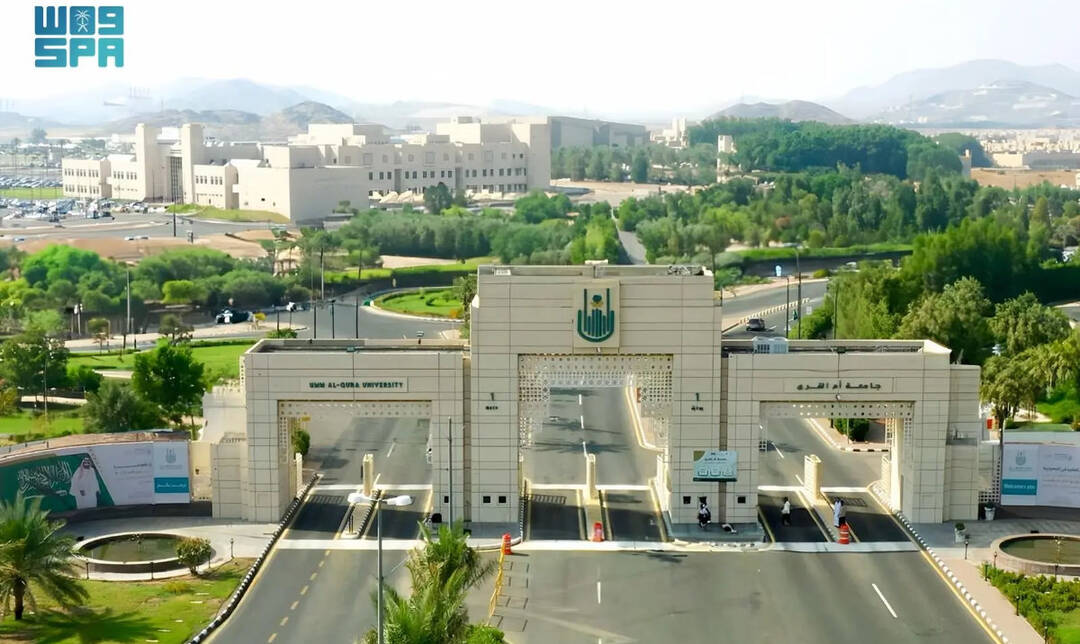
Building on this foundation, universities play a key role in deepening and applying knowledge in professional contexts. At this stage, learning becomes more targeted, bridging the gap between theory and real-world application through a “learning by doing” approach.
Higher education institutions are responsible for refining learners’ skills — such as critical thinking, time management, adaptability, and teamwork — aligning them with industry needs and equipping students with the specialized knowledge and practical experience required to succeed in a dynamic workforce.
The digital shift is widening the skills gap in the Saudi labor market, with employers demanding capabilities in AI literacy, digital fluency, and advanced problem-solving.
To address this, global universities offer specialized programs that strengthen digital capabilities, helping learners remain competitive in a digital-first environment while meeting employer expectations.
For example, some global MBA programs use blended formats that combine online study with in-person workshops in international hubs, allowing students to work on real business challenges alongside experienced professionals.
This approach helps build leadership, collaboration, and cross-cultural skills by placing learners in diverse cohorts and exposing them to applied problem-solving. Strong links to industry and a focus on experiential learning ensure graduates are not only academically prepared, but also adaptable and equipped to meet the evolving demands of both Saudi and global labor markets.
Saudi Arabia’s position as the Gulf Cooperation Council’s largest education market — projected to account for 64.6 percent of enrolments by 2029 — highlights the scale of its expansion amid sustained economic growth and a rising youth population, according to a May 2025 report by Alpen Capital.
By combining strong foundations with applied, experience-led education, learners are better equipped to navigate complexity, respond to change, and contribute to the Kingdom’s accelerating economic growth.
• Helen Olds, left, is the director of the British International School Jeddah, and Randa Bessiso is the founding director and CEO for the Middle East at the University of Manchester - Dubai.


