

 As global optimism declines, Saudi Arabia stands apart

Against a backdrop of global pessimism, the 2026 Edelman Trust Barometer shows that only 32 percent of respondents worldwide believe the next generation will be better off.
What stands out, however, is the position of the Kingdom of Saudi Arabia, which emerges as one of the most optimistic countries — ranking at the top of the chart and well ahead of many G20 nations.
This reflects a stronger public belief in future opportunities, economic progress and long‑term national development, in contrast to the declining confidence seen in many other countries.
As many observers note, decisive leadership has played a central role in fostering this optimism within the Kingdom.
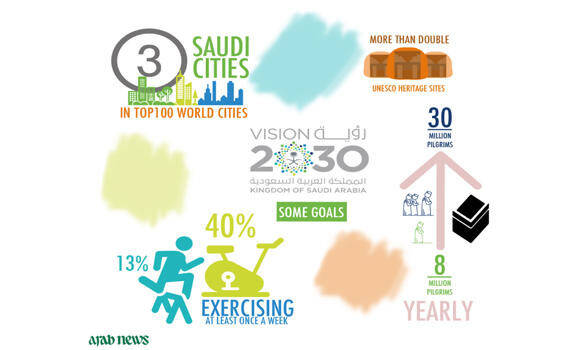
Nearly a decade after the launch of Saudi Vision 2030 — an ambitious plan to diversify the economy, reduce reliance on oil and develop key public sectors — confidence in the Kingdom’s future remains strong, reinforced by the tangible results seen on the ground over the past few years.
Since its inception, Vision 2030 has played a key role in shaping this optimistic outlook, fostering a renewed sense of national confidence and belief in a better future — particularly among Saudi youth.
While initial skepticism accompanied the announcement of the vision, the progress achieved to date — supported by decisive decision‑making and the ability to adapt to changing circumstances — has demonstrated its capacity to deliver meaningful change, reinforcing public trust in the country’s long‑term direction.
As the Kingdom approaches the anniversary of Vision 2030’s launch, the impact of this optimism is increasingly visible beyond Saudi Arabia’s borders.
In recent years, public discourse and social media conversations across parts of the Arab world reflect growing interest in the Saudi experience, with many viewing Vision 2030 as a model for economic reform, stability and improved quality of life.
This broader regional attention further underscores how tangible progress at home has strengthened confidence in the Kingdom’s future and elevated its role as a source of optimism in a region long affected by economic and social challenges.
Ultimately, optimism within the Kingdom is more than a positive public sentiment — it is a strategic asset that enhances the Kingdom’s position both internally and externally.
Internally, it strengthens social cohesion, boosts productivity and reinforces public support for long‑term reforms, enabling sustainable economic and social progress.
Externally, this confidence enhances Saudi Arabia’s international standing, increases its attractiveness to investors and partners, and positions the Kingdom as a credible model for reform and stability in a turbulent region.
Together, these internal and external benefits underscore how optimism, grounded in tangible results and decisive leadership, can play a vital role in shaping a more prosperous and influential future for Saudi Arabia.
• Nasser bin Hamed Al-Ahmad is a political researcher and writer with more than eight years’ experience in political media. He specializes in analyzing political trends in the MENA region and the US. X: nasseralahmad3


