

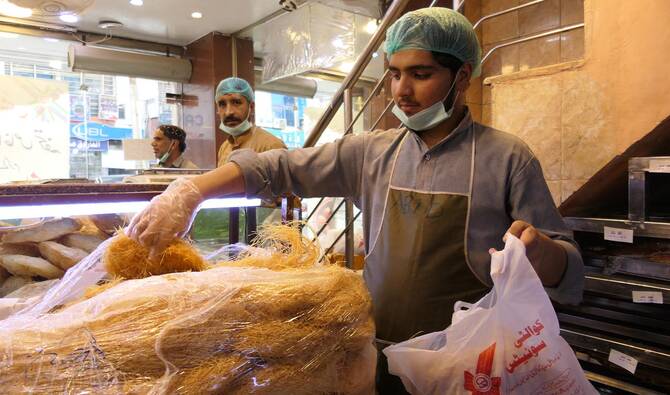

MASTUNG, Pakistan: Inside a mud-walled workshop in southwestern Pakistan, the steady hum of a generator filled the air as Sakhawat Ali fed flour into a mincer, shaping one of the region’s most enduring Eid traditions: handmade vermicelli.
As Eid Al-Fitr approaches, Ali and his team of five laborers work long hours in Mastung district in Balochistan province, turning wheat flour into long, delicate strands of “seviyan,” a staple dessert across South Asia prepared at the end of Ramadan.
In Pakistan, vermicelli is typically cooked in milk or fried with sugar and nuts, forming a centerpiece of Eid celebrations as families gather to mark the end of the fasting month.
But in parts of Balochistan, many still prefer a more traditional version made from locally grown wheat, hand-processed, and dried under the open sun.
Ali, 40, has been making vermicelli for two decades, using methods passed down through generations.
“For this Eid, we have prepared around 3,000 kilograms of vermicelli,” Ali told Arab News at his factory in Killa Shaikhan area of Mastung.
“Still we are receiving orders and working to prepare an estimated 2,000 kilograms more before Eid.”
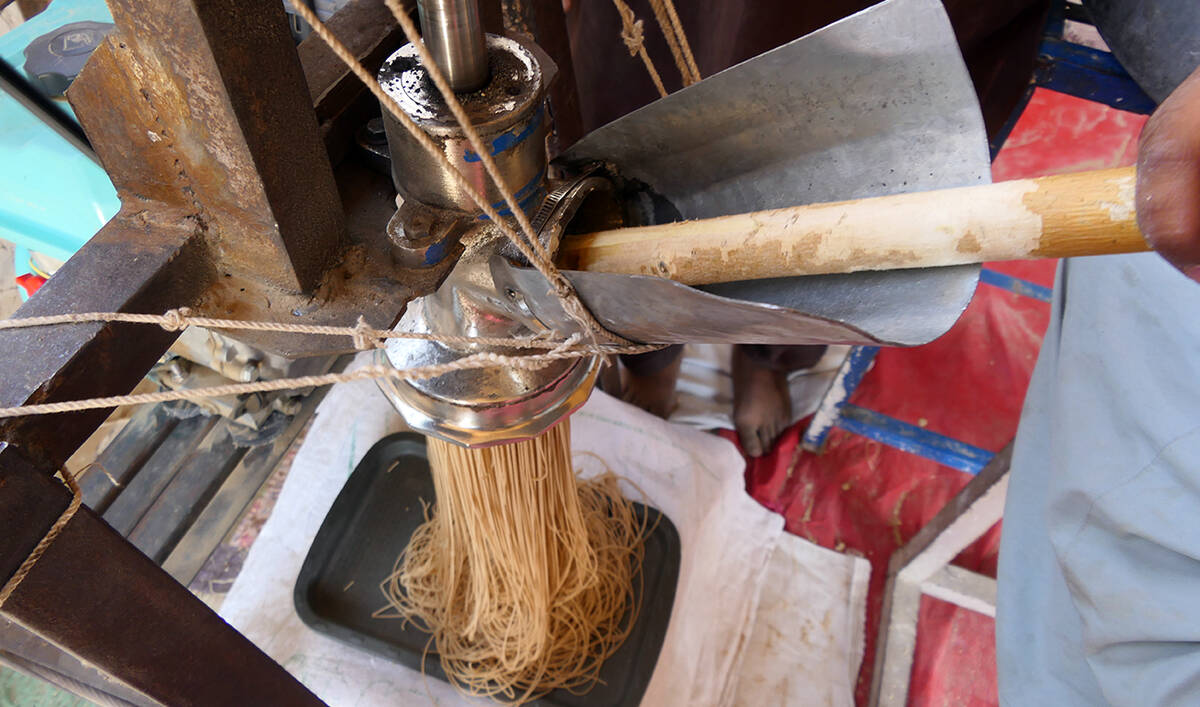
A worker (not visible) prepares traditional vermicelli for Eid Al-Fitr festival in Mastung district of Pakistan’s Balochistan province on March 17, 2026. (AN)
TRADITIONAL CRAFT
Unlike large-scale producers that rely on refined flour and automated systems, Ali uses wheat flour and a semi-manual process that blends old techniques with basic machinery.
After kneading the dough, thin strands emerge from a locally made mincer fitted with a generator and are carefully collected by workers before being draped over long ropes to dry out in the sun, a method that echoes older practices.
“Even earlier, nearly a hundred years ago, people who did not have facilities would knead flour, rub it on stones, dry it in the sun and then make vermicelli from it to use on Eid occasion,” Ali explained.
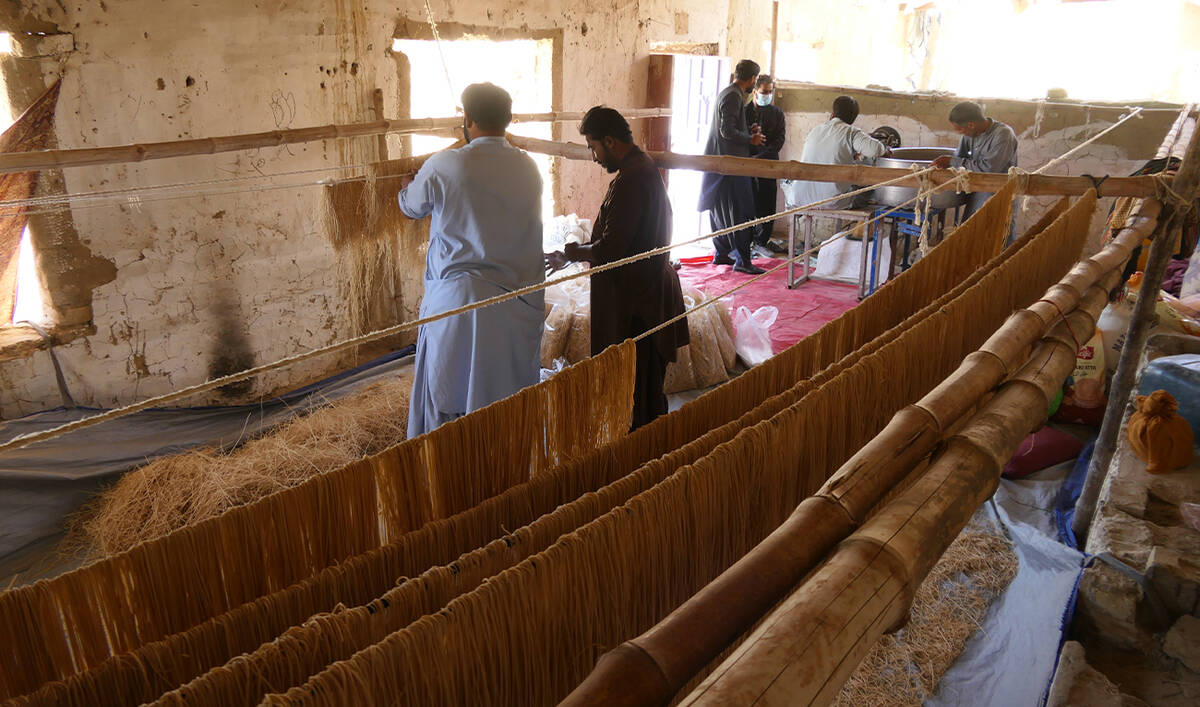
The picture taken on March 17, 2026, shows a worker arranges vermicelli at a local factory in Mastung district of Pakistan’s Balochistan province. (AN)
The technique has evolved over time. Earlier, people used charpoys, or woven beds, instead of ropes to dry the strands.
Ali said the introduction of simple machinery had increased output significantly.
“Previously when we made them by hand, it was a very tough job and we would be able to produce only 25 kilograms of vermicelli per day,” he said.
“But now with this machine, we have been producing 120 kilograms.”
EID DEMAND
In the weeks leading up to Eid, locally made vermicelli becomes widely available across Mastung, sold in shops and roadside stalls.
A packet typically costs around Rs250-280 ($0.90-1), making it an affordable staple for many households.
Abdul Hakeem, a bakery owner along the Karachi-Quetta highway, said demand rose sharply during Ramadan as travelers and locals stocked up for Eid.
“The vermicelli being prepared by private companies are very thin in layer and go through different machinery processes,” Hakeem explained.
“But these locally made vermicelli are thicker in shape and when cooked, give a mouthwatering taste and are also quite filling.”
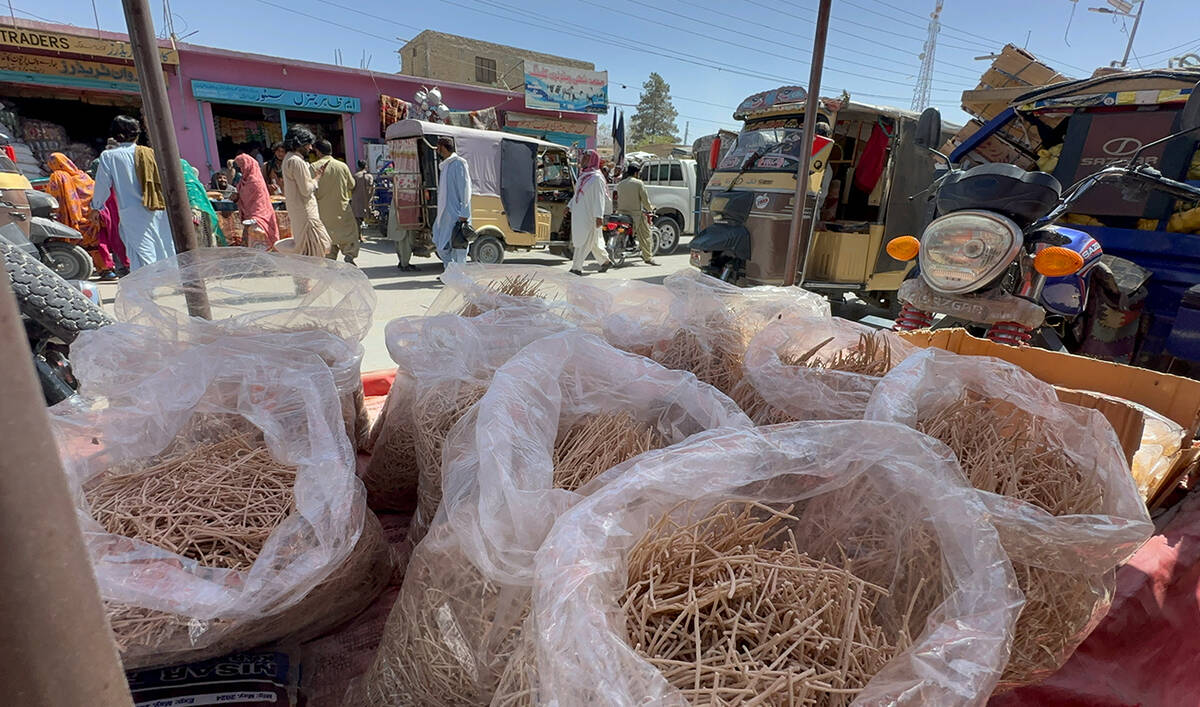
The picture taken on March 17, 2026, shows vermicelli placed outside a local shop in Mastung district of Balochistan province, Pakistan, on March 17, 2026. (AN)
The appeal of handmade vermicelli extends beyond Mastung, drawing customers from nearby cities who seek out its distinct texture and taste.
Shahzaib Baloch, a resident of Quetta, brought flour to have it processed at Ali’s workshop.
“No one in Quetta makes these wheat-flour vermicelli, hence I brought flour here in Mastung,” Baloch said.
Others arrive with their own supplies, continuing a practice rooted in trust and familiarity.
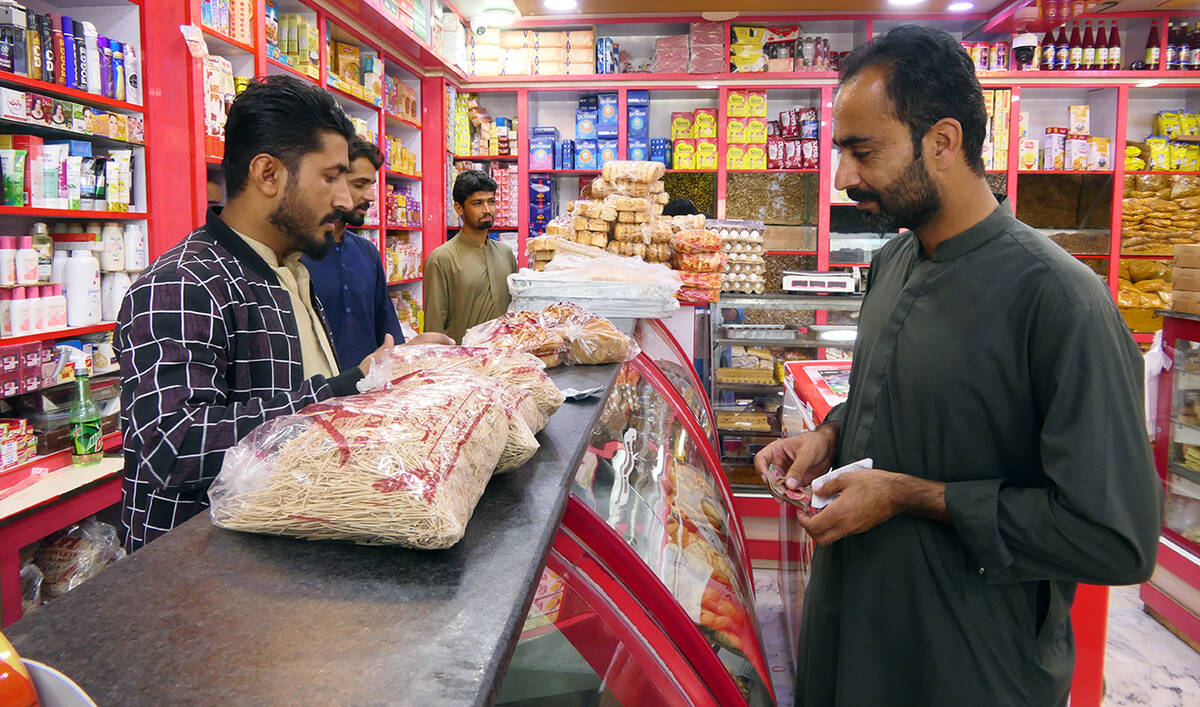
A customer buys traditional vermicelli at a local shop in Mastung district of Balochistan province, Pakistan, on March 17, 2026. (AN)
Abdul Razzaq, a Mastung resident, reached the workshop on his motorcycle carrying a bag of flour.
For Ali, the pace of work reflects the season:
“We started making vermicelli before Ramadan and the work will continue till the last Ramadan.”



