
ALKHOBAR: The tradition of Eid Al-Fitr gifting in Saudi Arabia is moving away from crisp banknotes toward physical gifts, local brands and personalized keepsakes.
For decades, the lead-up to Eid saw long queues at ATMs and bank branches, as families withdrew freshly printed 50 and 100 riyal notes to distribute as eidiya. The ritual remains familiar, but it is no longer dominant.
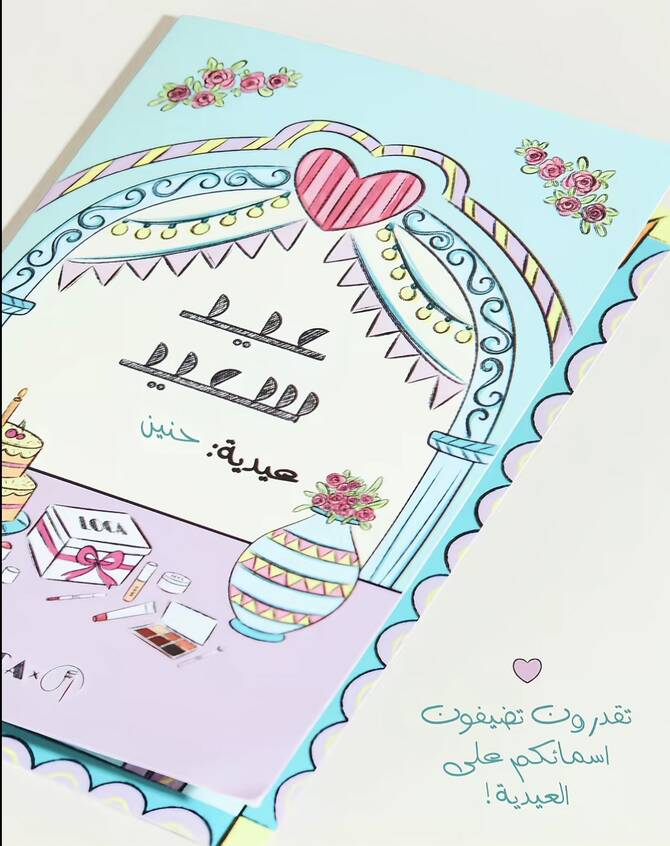
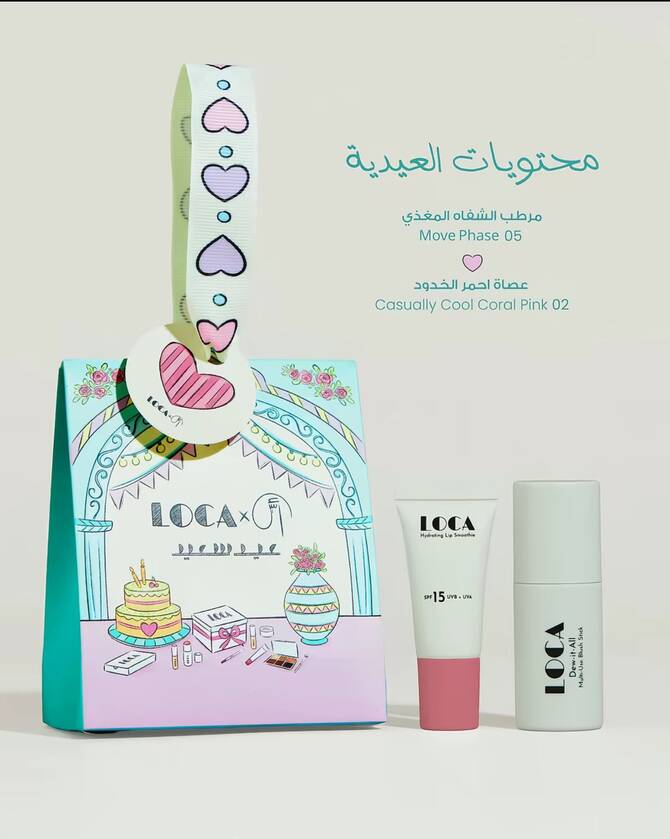
Riyadh resident Sara Al-Amri decided to purchase a customized beauty set for her younger sister this year, instead of just giving her cash.
“The personalized card with their name on it makes it feel intentional,” Al-Amri said. “An (envelope with cash in it) says you remembered them. This says you thought about them.”
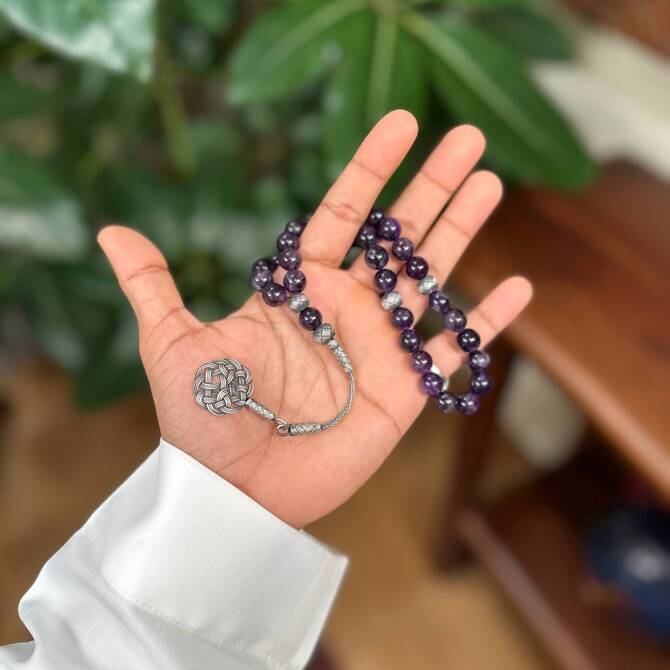
Munirah Gassan gave her male relatives misbaha prayer beads. “The misbaha has always been a meaningful gift for men. I’m sure that my dad and brothers will love it,” she said.
As gift-giving customs evolve, so does financial behavior in the Kingdom. The Saudi Central Bank has set a target of 70 percent cashless transactions by 2030 as part of the country’s financial transformation under Vision 2030.
Eid spending patterns are beginning to align with that direction.
Major Saudi banks now offer digital eidiya features through mobile applications, allowing users to send money in the form of animated envelopes with personalized messages. These tools have gained traction, particularly for families whose members live in different cities.
Within households, however, a hybrid model is emerging. Many families continue to combine digital transfers with physical gifts, balancing convenience with tradition.
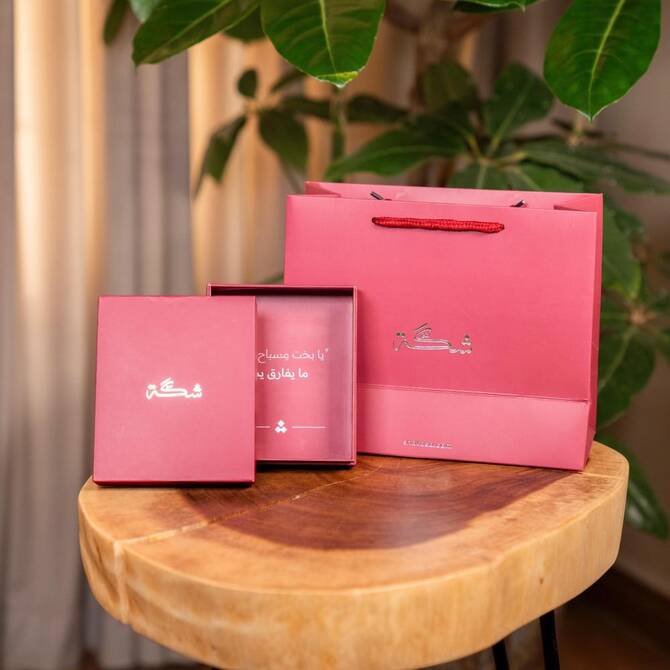
Cash is increasingly treated as a practical addition rather than the centerpiece of the exchange. Retail environments are adapting accordingly. Luxury chocolatiers, electronics retailers, and independent Saudi designers have introduced dedicated Eid collections positioned specifically as alternatives to cash gifts.
In commercial hubs such as Riyadh’s King Abdullah Financial District and Jeddah’s Tahlia Street, displays now emphasize packaging, storytelling and exclusivity.
Social media has accelerated this transition. Platforms such as TikTok and Instagram have turned gift-giving into a visual event, where unboxing becomes part of the celebration. A carefully designed box from a local brand offers a narrative that cash cannot replicate.
This has influenced purchasing decisions, particularly among younger consumers who prioritize shareable moments and aesthetic appeal. Gifting, in this context, extends beyond the recipient to include a wider audience.
The transition is not without resistance. Older generations continue to attach meaning to the traditional form of eidiya, viewing cash as a symbol of blessing and personal agency.
“When I put that note in their hand, it is not just money. It is a blessing from me to them. I am not sure a box can carry the same meaning,” said Sameera Al-Otaibi, a grandmother of twelve.
The evolution of Eid gifting reflects a broader transformation within Saudi Arabia’s consumer culture. As the Kingdom’s private sector expands and local brands gain prominence, public holidays are becoming opportunities for creativity.
-ENDS-