


ISLAMABAD: Pakistan warned on Wednesday that global oil markets have tightened sharply due to the Iran war, with rising prices and cargo premiums expected to keep import costs elevated, even as the government said domestic fuel supplies remain stable.
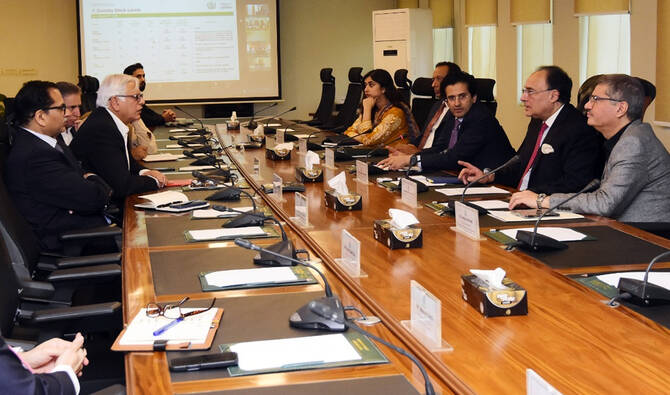
A cabinet body reviewing petroleum supplies said diesel stocks currently provide around 24 days of cover, while petrol remains at comfortable levels, supported by ongoing imports and refinery operations.
The assessment comes as the Middle East conflict involving the United States, Israel and Iran has pushed up global oil prices, disrupted key shipping routes and increased the cost of fuel imports for countries like Pakistan.
“The Committee was ... briefed that global petroleum markets remain exceptionally tight, with recent increases observed in both benchmark prices and cargo premiums,” the Finance Division said in a statement.
“Members noted that the prevailing market conditions reflect supply-side uncertainties linked to regional developments, with premiums for upcoming cargoes expected to remain elevated in the near term,” it added.
Officials said one crude oil cargo was being discharged while another vessel was expected to arrive at Karachi port during the day, with additional shipments in transit and further import arrangements being finalized for March and April.
Authorities also flagged growing financial strain on imports, saying higher global prices have increased the landed cost of fuel and expanded the size of Letters of Credit (LCs) required to secure cargoes.
Finance Minister Muhammad Aurangzeb directed officials to engage with the State Bank of Pakistan and commercial lenders to explore facilitation measures, including enhanced limits and consortium-based financing, to ensure continuity of fuel imports.
The committee noted higher domestic demand in recent weeks and ordered closer monitoring to discourage speculative stockholding and prevent hoarding, particularly ahead of Eid holidays and the ongoing harvest season.
Oil marketing companies have been asked to maintain operational readiness, with the government saying no disruption in fuel availability is expected.
Pakistan has already taken steps to manage fuel consumption, including austerity measures announced this month such as a four-day workweek and reduced public sector expenditures.
FREIGHT CAPACITY
Earlier on Wednesday, Prime Minister Shehbaz Sharif directed authorities to upgrade Pakistan’s railway freight facilities, as Islamabad eyes increased use of rail transport to conserve fuel amid the Middle East conflict.
“The prime minister directed Pakistan Railways to upgrade its freight facilities, noting that in the current regional context, the use of rail freight for transporting goods has become indispensable for saving fuel,” the Prime Minister’s Office (PMO) said in a statement.
Officials informed the prime minister that freight services are expected to grow by 21 percent this year. Sharif was also briefed on the ongoing digitization reforms in the railway sector, which include cashless ticketing and the provision of free Wi-Fi at railway stations.
“Freight services have improved in quality and transparency through the implementation of a Freight Management System, digital weighing bridges and a rolling stock tracking system,” the statement said.


