

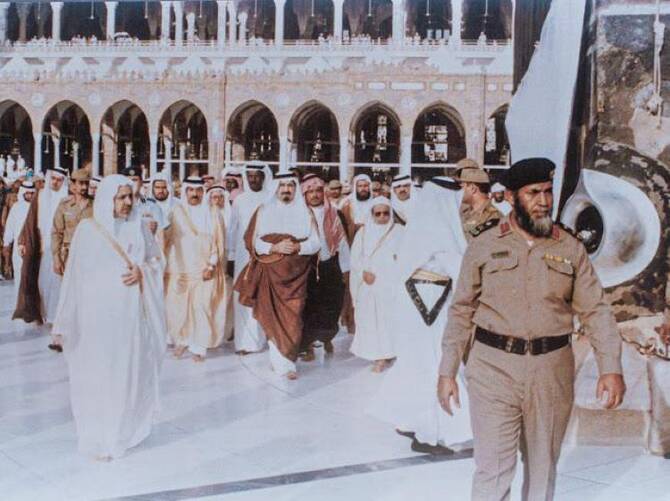
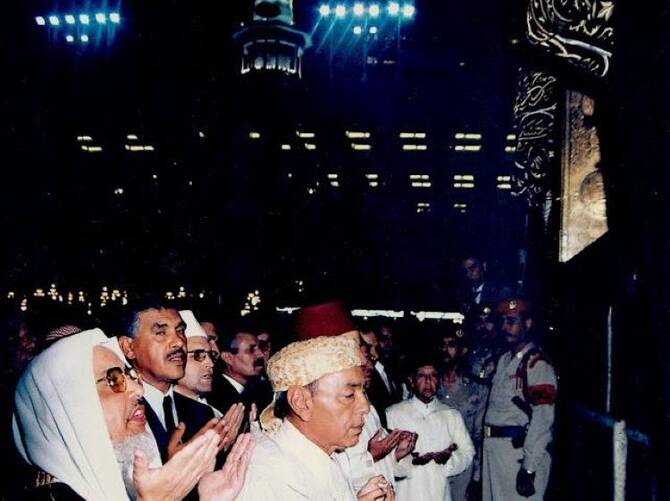

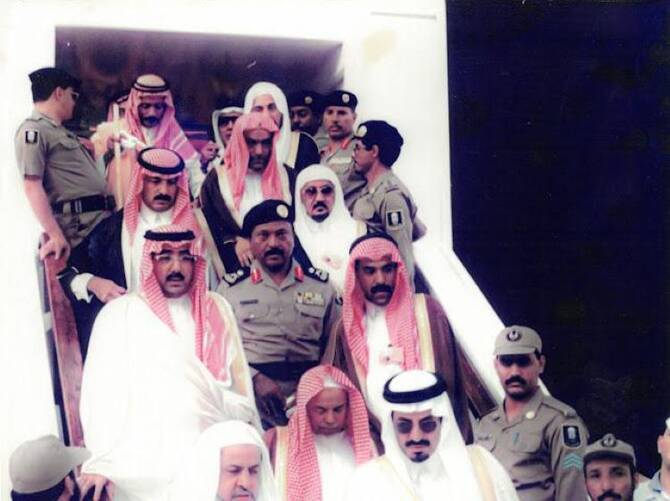
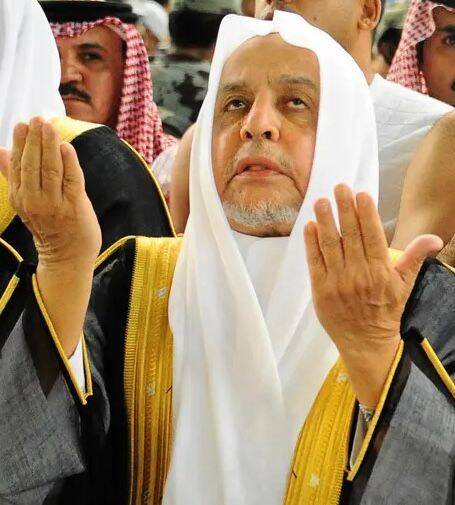
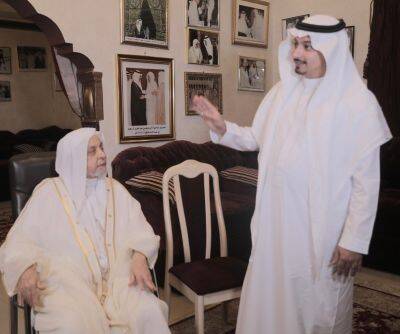
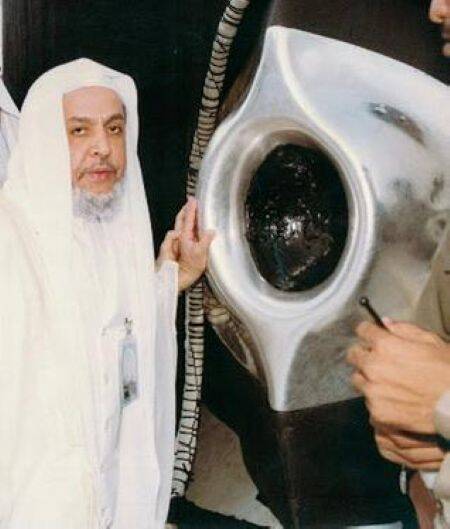

MAKKAH: Jamil Sulaiman Jalal was an Umrah guide (mutawif) who chaperoned kings and world leaders, including King Abdulaziz, the founder of modern Saudi Arabia.
His life’s mission was intertwined with the Grand Mosque in Makkah, Islam’s holiest site.
Jalal’s career spanned more than seven decades of service, during which he witnessed major historical transformations in Hajj and Umrah.
In an interview with Arab News, his grandson Ahmed Jalal spoke about the pride he had in his grandfather’s legacy.
“My grandfather viewed tawaf (ritual circumambulation of the Kaaba) as an honor before it was a job.
“He was keen to perform it with sincerity and respect for every pilgrim, regardless of their languages and cultures.
“We would see him close to the people, loving the sacred Mosque and considering the service of the pilgrims as the greatest deed one could offer in this life.”
The elder Jalal was given the nickname Jamil Al-Haram, or beauty of the sacred mosque, which his grandson said was a reflection of his character and legacy.
He said the family took great pride in the esteem he received from leaders and heads of state.
Jalal’s journey with tawaf began in 1947-48, at a time when pilgrims would cross the seas for many long months to reach Makkah.
In that era, the pilgrimage seasons would overlap, to the extent that a pilgrim arriving for Hajj might encounter another who had just completed his rituals and was returning to his homeland.
It was within this unique environment that his character was forged, his bond with the sacred Mosque was cemented and his values, rooted in patience, proper guidance and compassion for the pilgrim, deeply entrenched.
Throughout his long career, Jalal performed tawaf with a number of kings and presidents, including King Abdulaziz in 1948–49.
The king noticed his distinction despite his young age and that was a pivotal moment in his life.
Some heads of state used the Jamil Al-Haram nickname in recognition of his refined manner of conducting the pilgrim guidance.
In the heart of the Grand Mosque, Jalal learned nine languages by interacting with pilgrims from various countries around the world every day.
His life story is filled with unforgettable human encounters, among them is an anecdote of a guest who felt content to only perform the circumambulation, believing the Sa’i ritual (walking or running seven times between the hills of Safa and Marwa) to be too much.
Jalal gently and calmly persuaded him that the rituals were only completed with the Sa’i.
The guest then continued to complete the full ritual with peace of mind.
Jalal’s roles were not limited to tawaf, he also served as a muezzin (the person who calls to prayer) in the Grand Mosque.
He was among those chosen to give the signal to the cannon crew in the Al-Bayraq area to announce the time for breaking the fast — an honor he remained proud of throughout his life.
He was also classified as a historical figure by the King Abdulaziz Library, in official recognition that documented the journey of a man whose name became intertwined with a place and an era.
His life stands as a testament to the fact that serving the Two Holy Mosques is a great honor.
Although Jalal died, Jamil Al-Haram is alive in the memory of the Grand Mosque and in the hearts of those who knew him.


