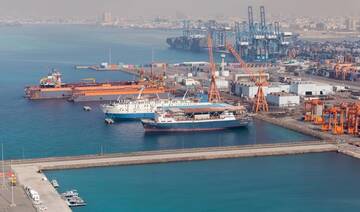

RIYADH: Amid the rapid shifts in regional maritime transport and the increasing rerouting of shipping away from the Arabian Gulf, Red Sea ports, particularly Jeddah Port, are emerging as key hubs for accommodating container traffic and enhancing the stability of supply chains in the region.
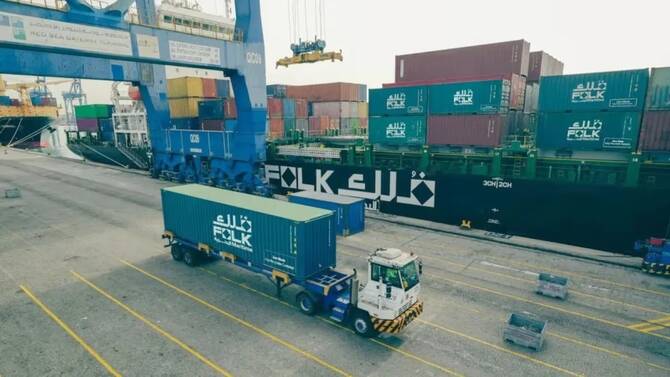
In this context, Paul Hestback, CEO of the Public Investment Fund-owned company Folk Maritime, confirmed to Al-Eqtisadiah that while Folk does not have significant operational cross-border connections with the Strait of Hormuz, its services on the Arabian Gulf coast have been directly impacted by recent developments.
Hestback added that the firm operates within the Kingdom’s logistics infrastructure, which plays a pivotal role in diverting container traffic from the Arabian Gulf to the Red Sea via Jeddah, therefore contributing to the stability of shipping in neighboring countries.
The Ministry of Transport and Logistics launched the “Logistics Routes” initiative as part of its efforts to enhance the resilience of supply chains following the Israeli-American war against Iran.
This initiative establishes operational corridors for transporting containers and goods between the Kingdom’s ports, particularly from terminals in the Eastern Province and the Gulf countries to Red Sea ports, most notably Jeddah Islamic Port.
The undertaking focuses on expediting the flow of goods and increasing the efficiency of transport between ports and regional markets. This supports the rerouting of shipments in light of geopolitical challenges and strengthens Saudi Arabia’s ability to play a pivotal role as a regional logistics hub.
The CEO of Folk Maritime indicated that the company has taken the initiative to reroute its shipping lines and intensify its presence along the Red Sea, in line with the ongoing shifts in maritime transport routes, thereby enhancing operational efficiency and the continuity of supply chains.