
ISLAMABAD: A citizen has filed a petition in the Islamabad High Court seeking directives for authorities to announce the sighting of the Eid moon promptly once credible evidence was received, arguing that delays create “confusion” and public safety risks, according to a copy of the document seen by Arab News on Tuesday.
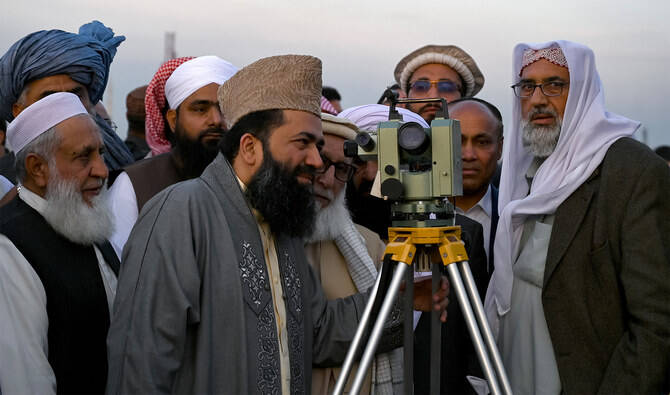
In Pakistan, the start of Eid Al-Fitr, which marks the end of the Muslim fasting month of Ramadan, is determined by the sighting of the new moon. The announcement is typically made after meetings of the Ruet-e-Hilal Committee, the official body responsible for moon sighting, sometimes late in the evening following special nightly Ramadan prayers, known as Taraweeh.
The Pakistan Meteorological Department and the national space agency, SUPARCO, have both said the Shawwal crescent is unlikely to be visible on Mar. 19 based on astronomical calculations, suggesting Eid may fall on Mar. 21 after Ramadan completes 30 days. However, the official announcement is made by the Ruet-e-Hilal Committee based on verified moon sighting reports.
The petitioner, Abdullah Shafiq, filed his request under Article 199 of Pakistan’s constitution, calling for instructions to the Central Ruet-e-Hilal Committee. He argued that delayed announcements of the moon sighting disrupted religious practices and planning for the Eid holiday.
“That it has been observed that the announcement regarding the sighting of the moon for Eid is usually made very late at night, often after people have already offered Taraweeh prayers and completed their religious activities,” the petition states.
He said such delays left people uncertain about Eid preparations.
“That such delayed announcements create confusion and inconvenience among the general public, who remain uncertain about the celebration of Eid until a very late hour,” the petition adds.
The filing also highlighted the immediate surge in shopping activity following the announcement.
“That immediately after the announcement of Eid, a large number of people rush to markets and shopping areas to make last-minute purchases, which results in overcrowding,” it states.
The petitioner warned that the resulting congestion could pose security challenges.
“That the sudden congestion in markets and commercial areas may pose serious security risks in the prevailing circumstances and also creates difficulties for law enforcement agencies in maintaining public order.”
The petition requested the court to direct authorities to ensure announcements were made “without unnecessary delay” and to regulate market hours after the Eid announcement to prevent overcrowding, while allowing essential Eid-related businesses to remain open.