

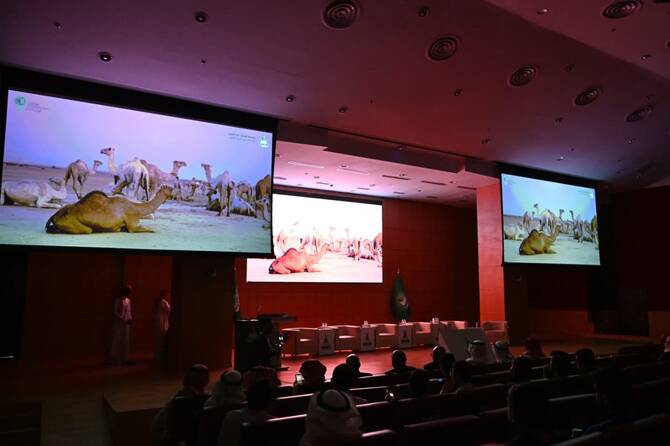
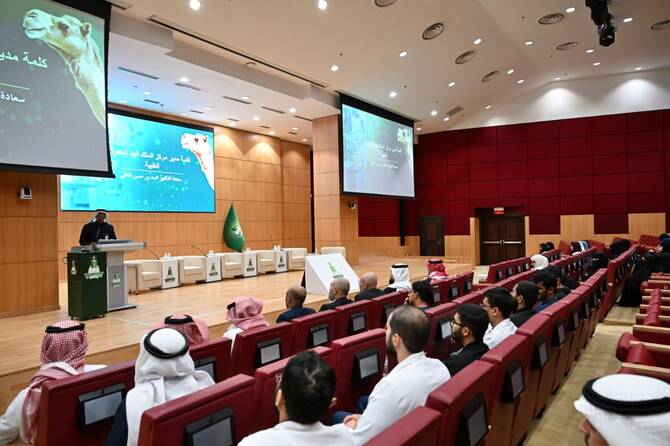

JEDDAH: The King Fahd Medical Research Center at King Abdulaziz University in Jeddah recently held a workshop on camel research titled: “Camels at the Crossroads of Health Innovation and Biotechnology.”
The event highlighted the strategic potential of camels as a national bioresource aligned with Saudi Arabia’s biotechnology vision.
Experts and researchers explored camels as biotechnology resources and potential platforms for nanobody-based therapeutics, according to a press release.
Recent advances in nanotechnology are reshaping medical approaches to disease prevention, diagnosis and treatment, signaling a new era in nanomedical innovation.
Participants also discussed camel-associated zoonotic viruses, focusing on risk detection and surveillance, as well as the nutritional and therapeutic value of camel products.
Camel milk accounts for about 0.4 percent of global milk production, compared with 81 percent from cows, according to the report.
Despite its small share of global output, camel milk is gaining recognition for its sustainable production in arid and semi-arid regions, supporting food security in these areas.
The Kingdom designated 2024 as the “Year of the Camel” to honor the cultural significance of the animals in the Arabian Peninsula.
Historically, camels were essential for traversing deserts and long journeys, and have long featured in regional literature, oral traditions and cultural expressions, symbolizing resilience, loyalty and companionship.
Today, they remain a living testament to heritage and a key element of Saudi national identity.


