- The agency said the strike hit near the Kuwaiti Field Hospital in Khan Yunis and “targeted” a shelter camp
- Israel’s retaliatory assault on Gaza has killed at least 70,117 people since late 2023
GAZA CITY: Gaza’s civil defense agency told AFP on Wednesday that an Israeli strike on the Palestinian territory killed five people including two children.
The Israeli military said it had struck a “Hamas terrorist” in southern Gaza in response to a clash with Palestinian militants in the area that wounded five soldiers.
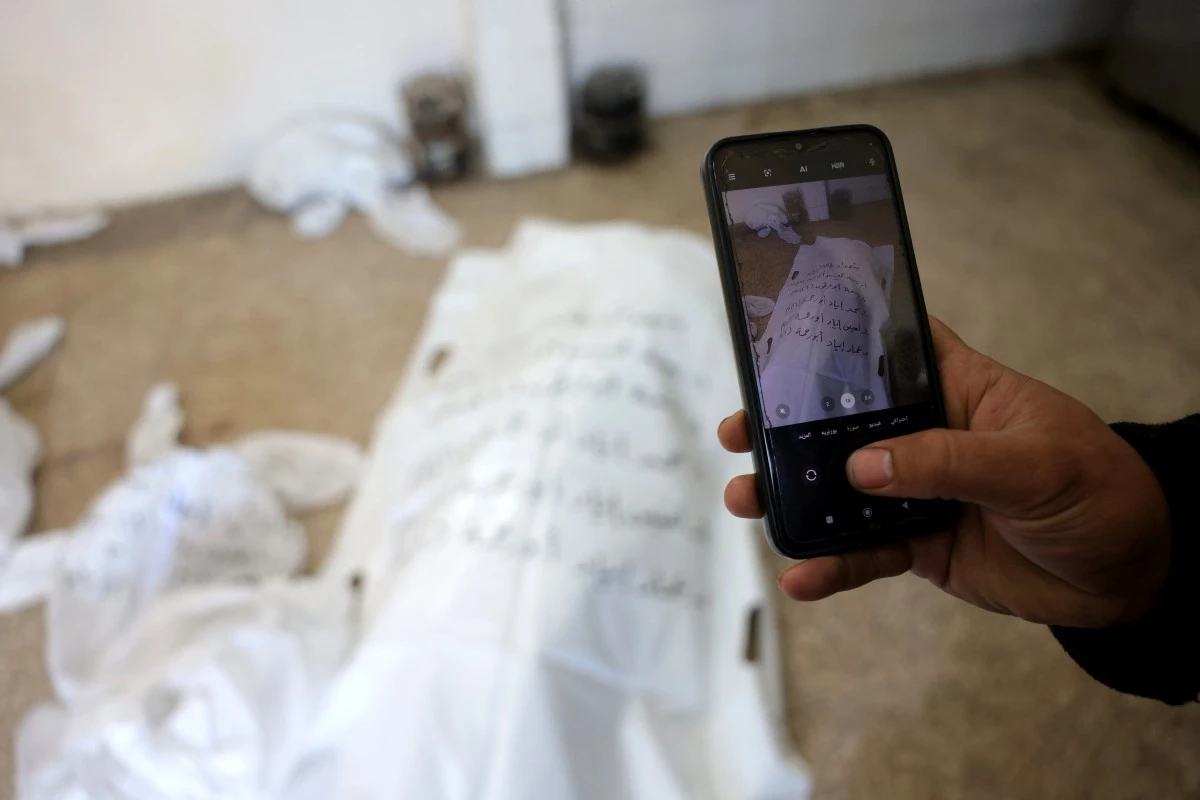
“Five citizens, including two children, killed and others injured, some seriously, as a result of an Israeli missile strike” in Al-Mawasi, west of Khan Yunis, civil defense spokesman Mahmud Bassal told AFP.
The agency said the strike hit near the Kuwaiti Field Hospital in Khan Yunis and “targeted” a shelter camp.
The hospital also reported that five people, including two children aged eight and 10, were killed and another 32 were wounded.
A fragile US-brokered ceasefire that came into effect on October 10 has largely halted the fighting between Israel and Palestinian militant group Hamas, but both sides have accused each other of violating its terms.
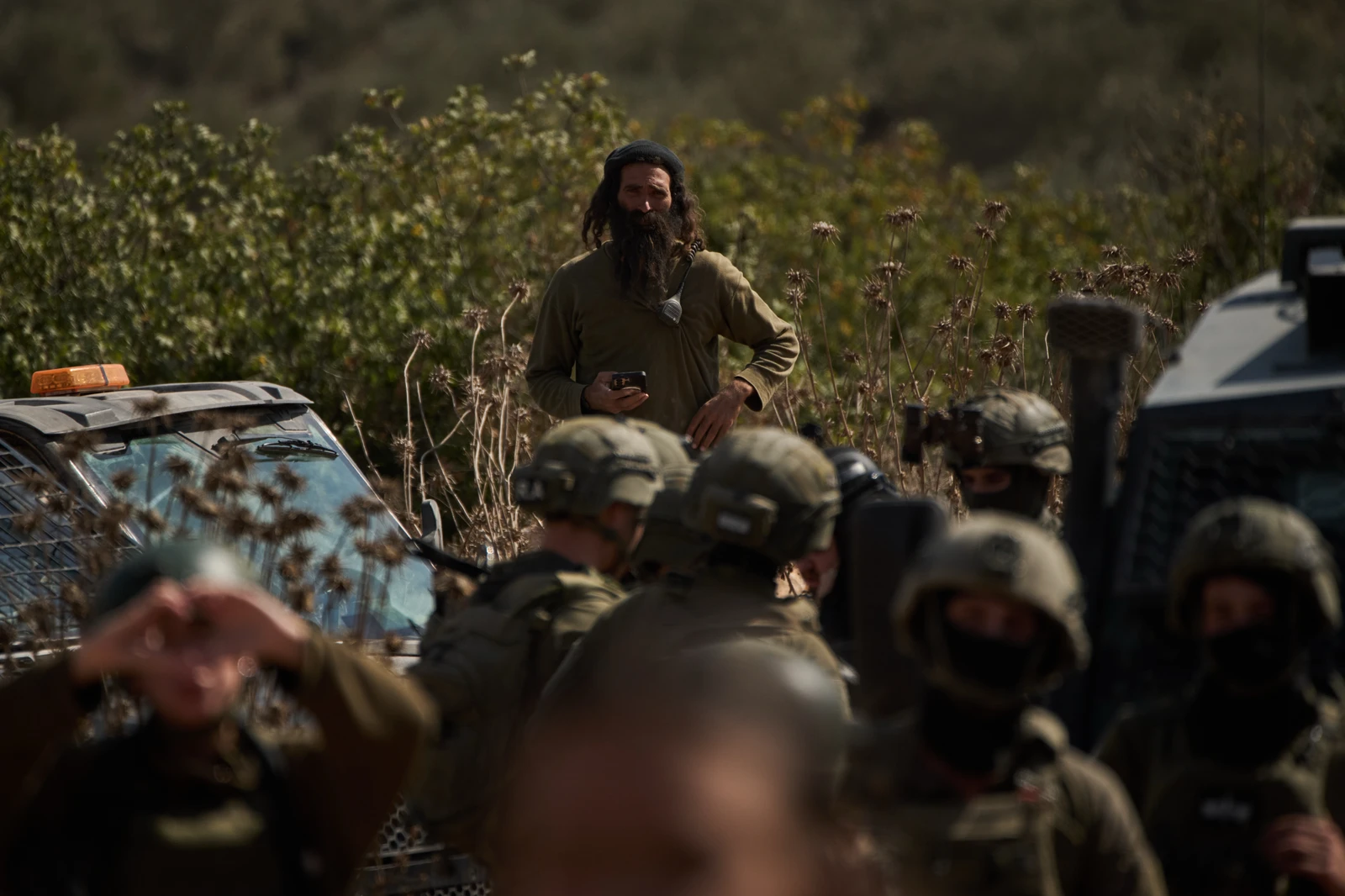
The Israeli military said earlier on Wednesday that during an operation in the area of eastern Rafah, soldiers encountered several militants “who emerged from an underground terrorist infrastructure.”
“During the encounter, an (Israeli) combat soldier was severely injured, two additional combat soldiers and a non-commissioned officer were moderately injured,” the military said in a statement.
It added that the soldiers were evacuated to hospital for treatment, and their families had been notified.
The second Israeli army statement announcing the air strike did not provide details about the fifth injured soldier.
A security source in Gaza told AFP that at around 4pm local time (1400 GMT), “very heavy artillery shelling took place from occupation vehicles east of Rafah city, along with heavy gunfire from warplanes.”
The source added that an Israeli helicopter had also landed in the area.
The military said on Sunday that it had killed more than 40 militants over the past week in operations targeting tunnels near Rafah, where dozens of Hamas fighters are holed up beneath areas controlled by the Israeli military.
Multiple sources told AFP last week that negotiations were underway regarding the fate of the fighters still in south Gaza’s tunnel network.
On Thursday, a prominent Hamas member in Gaza told AFP that the group estimated their number to be between 60 and 80.
The Gaza war was sparked by Hamas’s October 7, 2023 attack on Israel, which resulted in the deaths of 1,221 people.
Israel’s retaliatory assault on Gaza has killed at least 70,117 people, according to figures from the territory’s health ministry that the United Nations considers reliable.
The ministry says since the ceasefire came into effect, 360 Palestinians have been killed by Israeli fire. Israel’s military has reported three soldiers killed during the same period.