Settler outposts spread among villages, fueling attack fears

Palestinian Afaf Abu Alia, 55, who was attacked by Israeli settlers while harvesting olives in Turmus Ayya last October, poses for a photo in her home in the West Bank village of al-Mughayyir, Wednesday, Nov. 12, 2025. (AP)
Short Url
Updated 02 December 2025
Follow

Settler outposts spread among villages, fueling attack fears

  • During October’s olive harvest, settlers across the territory launched an average of eight attacks daily, according to the UN humanitarian office, the most since it began collecting data in 2006

TURMUS AYYA, West Bank: The fear is palpable in this Palestinian village. It’s clear in how farmers gather their harvests quickly, how they scan the valley for movement, how they dare not stray past certain roads. At any time, they say, armed Israeli settlers could descend.
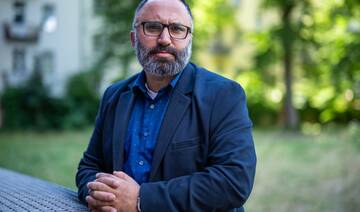
“In a matter of minutes, they get on their phones. They gather themselves, and they surprise you,” said Yasser Alkam, a Palestinian American lawyer and farmer from the village of Turmus Ayya. “They hide between the trees. They ambush people and beat them up severely.”
In recent months, Alkam says Turmus Ayya has weathered near-daily attacks by settlers, especially after they set up an outpost that the anti-settlement watchdog group Peace Now says is on his village’s land.
Alkam says he can’t reach his own fields for fear of being assaulted. In a particularly gruesome attack, he watched a settler beat a Palestinian woman unconscious with a spiky club.
The fear is shared throughout the West Bank. During October’s olive harvest, settlers across the territory launched an average of eight attacks daily, according to the UN humanitarian office, the most since it began collecting data in 2006. The attacks continued in November, with the UN recording at least 136 more by Nov. 24.
Settlers burned cars, desecrated mosques, ransacked industrial plants and destroyed cropland. Israeli authorities have done little beyond issuing occasional condemnations of the violence.
While driving in fields east of Turmus Ayya on Oct. 19, Alkam saw Afaf Abu Alia, a grandmother from a nearby village, harvesting a grove of olive trees. They were loaned to her after the Israeli military bulldozed her own 500 trees this year, she said.
She worked until she heard yelling in Hebrew. Settlers descended on the road nearby. Suddenly, one ran toward her with a club.
“The monsters started beating me,” she said three weeks after the attack. “After that, my memories get all blurry.”
Video of the attack shows a settler beating Alia with the jagged club, even after she was motionless. She was hospitalized for four days, requiring 20 stitches on her head, she said.



Over 9,350 Palestinians held in Israeli detention as of January

Updated 4 sec ago
Follow

Over 9,350 Palestinians held in Israeli detention as of January

  • Detainees include 53 women and girls, 2 of whom are minors, and around 350 children held in Megiddo and Ofer prisons
  • Total number of administrative detainees is 3,385, while those classified by Israel as ‘unlawful combatants’ amount to 1,237

LONDON: The number of Palestinian detainees and prisoners in Israeli prisons and detention centers has surpassed 9,350 as of early January 2026, according to reports from Palestinian prisoners’ organizations.

According to the institutions, based on data released by the Israeli Prison Service, the detainees include 53 women and girls, two of whom are minors, and around 350 children held in Megiddo and Ofer prisons.

The total number of administrative detainees is 3,385, while those classified by Israel as “unlawful combatants” amount to 1,237. This figure does not account for all detainees from Gaza held in Israeli military camps under this classification, which also includes a few Arab detainees from Lebanon and Syria.

Prisoners’ institutions reported that approximately 50 percent of detainees are held without charges, either under administrative detention or classified as “unlawful combatants” by Israel.

Administrative detainees account for over 36 percent of all Palestinians in Israeli prisons. The classifications of administrative detention and “unlawful combatants” permit the indefinite detention of individuals without charge in military detention centers.