NEW DELHI: Apple does not plan to comply with a mandate to preload its smartphones with a state-owned cyber safety app and will convey its concerns to New Delhi, three sources familiar with the matter said, after the government’s move sparked surveillance concerns.
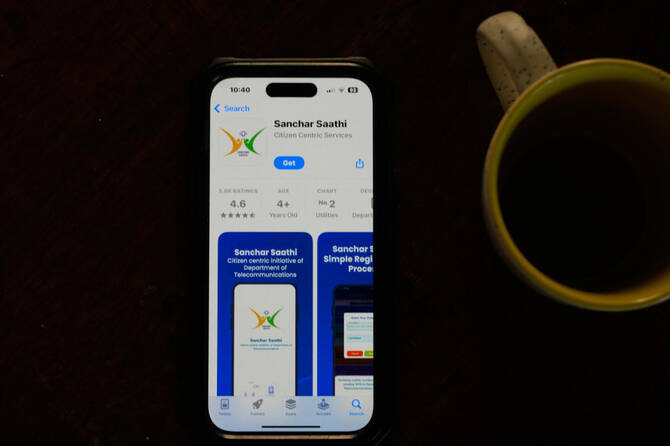
The Indian government has confidentially ordered companies including Apple, Samsung and Xiaomi to preload their phones with an app called Sanchar Saathi, or Communication Partner, within 90 days. The app is intended to track stolen phones, block them and prevent them from being misused.
The government also wants manufacturers to ensure that the app is not disabled. And for devices already in the supply chain, manufacturers should push the app to phones via software updates, Reuters was first to report on Monday.
India’s telecom ministry confirmed the move later, describing it as a security measure to combat “serious endangerment” of cybersecurity. But Prime Minister Narendra Modi’s political opponents and privacy advocates criticized the move, saying it is a way for the government to gain access to India’s 730 million smartphones.
Apple does not plan to comply with the directive and will tell the government it does not follow such mandates anywhere in the world as they raise a host of privacy and security issues for the company’s iOS ecosystem, said two of the industry sources who are familiar with Apple’s concerns. They declined to be named publicly as the company’s strategy is private.
“It’s not only like taking a sledgehammer, this is like a double-barrel gun,” said the first source.
Apple and the telecom ministry did not respond to requests for comment.
“Big brother cannot watch us”
The app order comes as Apple is locked in a court fight with an Indian watchdog over the nation’s antitrust penalty law. Apple has said it risks facing a fine of up to $38 billion in a case.
The second source said Apple does not plan to go to court or take a public stand, but it will tell the government it cannot follow the order because of security vulnerabilities.
Apple “can’t do this. Period,” the person said.
Other brands including Samsung are reviewing the order, said a fourth industry source who is familiar with the matter. Samsung did not respond to Reuters queries.
Sources have said the government moved forward with the order without industry consultation.
While Apple tightly controls its App Store and proprietary iOS software — which are crucial to its $100-billion-per-year services business — Google’s Android is open-sourced, allowing manufacturers like Samsung and Xiaomi greater leeway to modify their software.
India’s main opposition Congress Party has called for a rollback of the mandate. On X, KC Venugopal, a top Congress leader, said “Big Brother cannot watch us.”
The government’s press release said the app can help tackle incidents of duplicated or spoofed IMEI numbers, which enable scams and network misuse.
“India has big second-hand mobile device market,” the telecom ministry said in a statement late on Monday. “Cases have also been observed where stolen or blacklisted devices are being re-sold.”


![]()

Apple to resist India order to preload state-run app as political outcry builds
Short Url
https://arab.news/4f6f6
Apple to resist India order to preload state-run app as political outcry builds
- India state-run cyber safety app directive causes political storm
- Government wants all smartphones sold to have the app


Latest updates


© 2026 SAUDI RESEARCH & PUBLISHING COMPANY, All Rights Reserved And subject to Terms of Use Agreement.