PADANG, Indonesia: The death toll from devastating floods and landslides in Southeast Asia climbed past 350 on Saturday as clean-up and search and rescue operations got underway in Indonesia, Thailand and Malaysia.
Heavy monsoon rain overwhelmed swathes of the three countries this week, killing hundreds and leaving thousands stranded, many on rooftops awaiting rescue.
Rescuers in Indonesia were struggling to reach the worst-affected areas of Sumatra island, where more than 100 people were still missing.
Flooding and landslides in Indonesia have killed more than 200 people, according to figures from the disaster authorities.
“As of tonight, 61 fatalities have been recorded, and 90 are still being searched for,” West Sumatra Regional Disaster Mitigation Agency spokesman Ilham Wahab said late Friday, updating an earlier toll of 23 for the province.
In North Sumatra, another 116 people have died, while in Aceh province the death toll was at least 35 people, according to figures released by the agency.
National Disaster agency (BNPB) head Suharyanto told a news conference that a cloud seeding operation would begin in West Sumatra to reduce the rainfall, most of which had already subsided by Saturday.
In southern Thailand water levels reached three meters (nearly 10 feet) in Songkhla province and killed at least 145 people in one of the worst floods in a decade.
Workers at one hospital in hard-hit Hat Yai moved bodies into refrigerated trucks after the morgue exceeded capacity.
Prime Minister Anutin Charnvirakul visited a shelter for evacuees in the district on Friday.
“I really have to apologize to them for letting this happen during the time I am in government,” he told reporters in footage broadcast on AmarinTV.
“The next step is to prevent the situation from deteriorating,” he added, announcing a two-week timeframe for the district’s clean-up.
The Thai government rolled out relief measures for those affected by the flooding, including compensation of up to two million baht ($62,000) for households that lost family members.
Public criticism
As floodwaters receded, shop owner Rachane Remsringam picked through rubbish strewn between the aisles of his general goods store, lamenting hundreds of thousands of dollars in losses.
His store, Madam Yong, was looted and vandalized in the wake of the disaster, he said.
There has been growing public criticism of Thailand’s flood response and two local officials have been suspended over their alleged failures.
An MP from the opposition People’s Party criticized the administration, saying it “wrongly estimated the situation” and made “errors in handling the flood crisis.”
Two people were killed in Malaysia by flooding caused by heavy rain that left stretches of northern Perlis state under water.
The annual monsoon season, typically between June and September, often brings heavy rain, triggering landslides and flash floods.
A tropical storm has exacerbated conditions, and the tolls in Indonesia and Thailand rank among the highest in floods in those countries in recent years.
Climate change has affected storm patterns, including the duration and intensity of the season, leading to heavier rainfall, flash flooding and stronger wind gusts.
A warmer climate holds more moisture, producing more intense rain events, while warmer oceans can turbocharge the strength of storm systems.


![]()
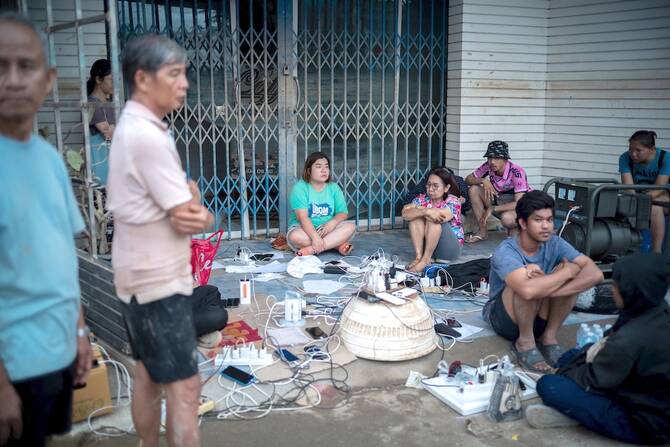
Thailand, Indonesia begin clean-up after massive floods kill hundreds

Short Url
https://arab.news/y6n6r
Thailand, Indonesia begin clean-up after massive floods kill hundreds
- Heavy monsoon rain overwhelmed swathes of the three countries this week, killing hundreds and leaving thousands stranded
- In southern Thailand, water levels reached three meters in Songkhla province and killed at least 145 people


Latest updates


Recommended


© 2026 SAUDI RESEARCH & PUBLISHING COMPANY, All Rights Reserved And subject to Terms of Use Agreement.