

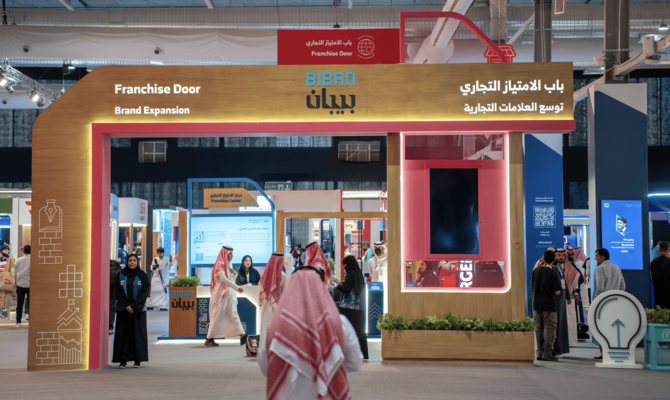

RIYADH: Biban Forum 2025 has once again cemented Saudi Arabia’s role as a global hub for entrepreneurship and innovation, gathering startups, investors, and business leaders from around the world under one roof at Riyadh Front Exhibition and Conference Center.
Organized by the Small and Medium Enterprises General Authority, known as Monsha’at, under the theme “A Global Destination for Opportunities,” the event aimed to empower entrepreneurs and strengthen the Kingdom’s position as a destination for business and investment in line with Vision 2030.
Since its inception in 2017, Biban has grown into the Middle East’s largest entrepreneurship forum.
The 2025 edition featured representatives from more than 150 countries and over 200 speakers from around the world, alongside thousands of local and international exhibitors.
The forum’s diverse “doors,” or thematic sections, covered every stage of the entrepreneurial journey — from funding and e-commerce to franchising and global expansion — creating a platform for collaboration and growth across industries and borders.
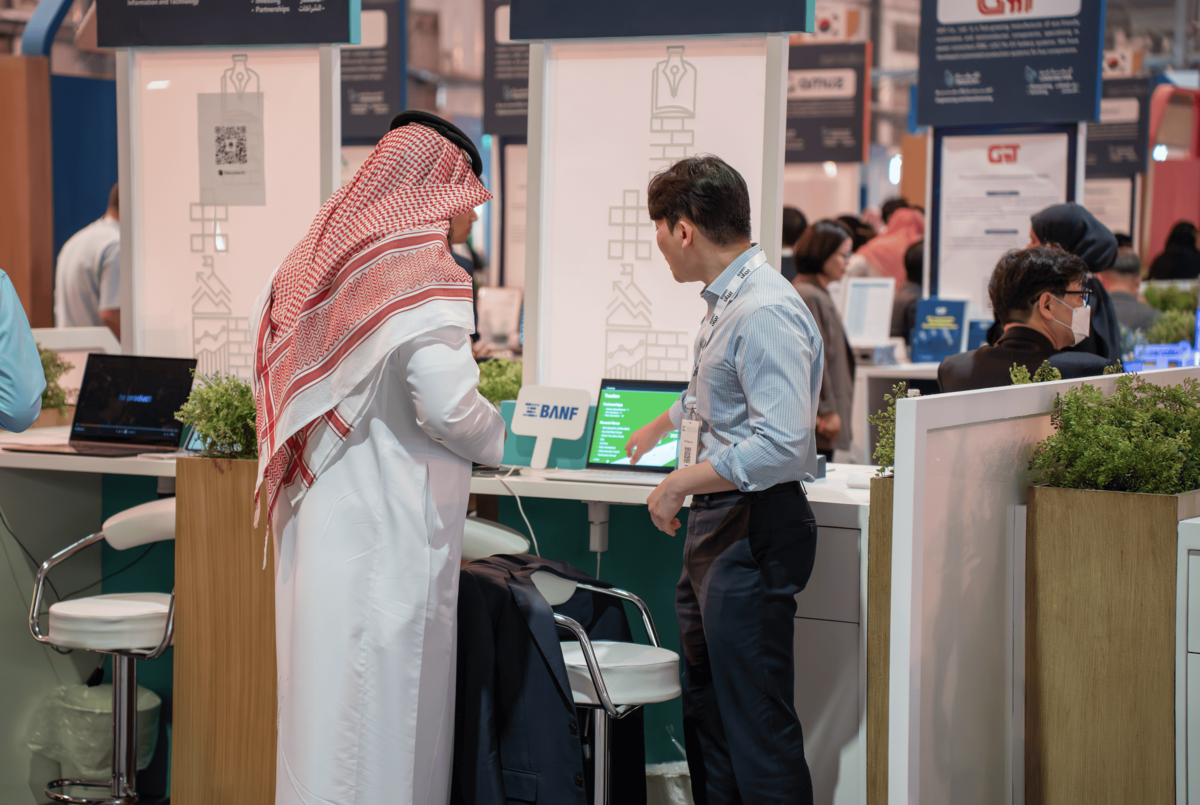
Biban 2025 underscores the growing confidence in Saudi Arabia’s entrepreneurial landscape. AN/Jafa Al-Saleh
Among the international participants was South Korea’s technology giant Naver, part of a Korean delegation of startups supported by the Korea Institute of Startup and Entrepreneurship Development.
Interpreter Jeongmin Han, representing the group, said it was her first time in Saudi Arabia and emphasized the potential for cooperation between the two countries.
“I think it’s very important for Korean companies to have a base here,” she said. “Saudi Arabia offers a great opportunity and serves as a bridge for expanding business across the Middle East. It’s the best place to start.”
Also participating was AgerPoint, a US technology company specializing in artificial intelligence and data solutions for the agriculture and natural asset markets.
CEO Kevin Lang described the experience as “an exciting time to be in Saudi Arabia.” He said: “We think it’s really important to be at Biban. It’s our first time in the Kingdom, and it’s such an exciting moment to contribute to Vision 2030 goals — especially around food security and the management of critical resources like water.”
Lang added that the forum’s collaborative atmosphere provided valuable opportunities to meet entrepreneurs, government representatives, and investors eager to implement technology-driven solutions.
“If we can find proof-of-concept or pilot projects that allow us to showcase what we can do,” he said, “we can evolve our technology alongside the challenges being addressed here in Saudi Arabia and across the Arabian Peninsula.”
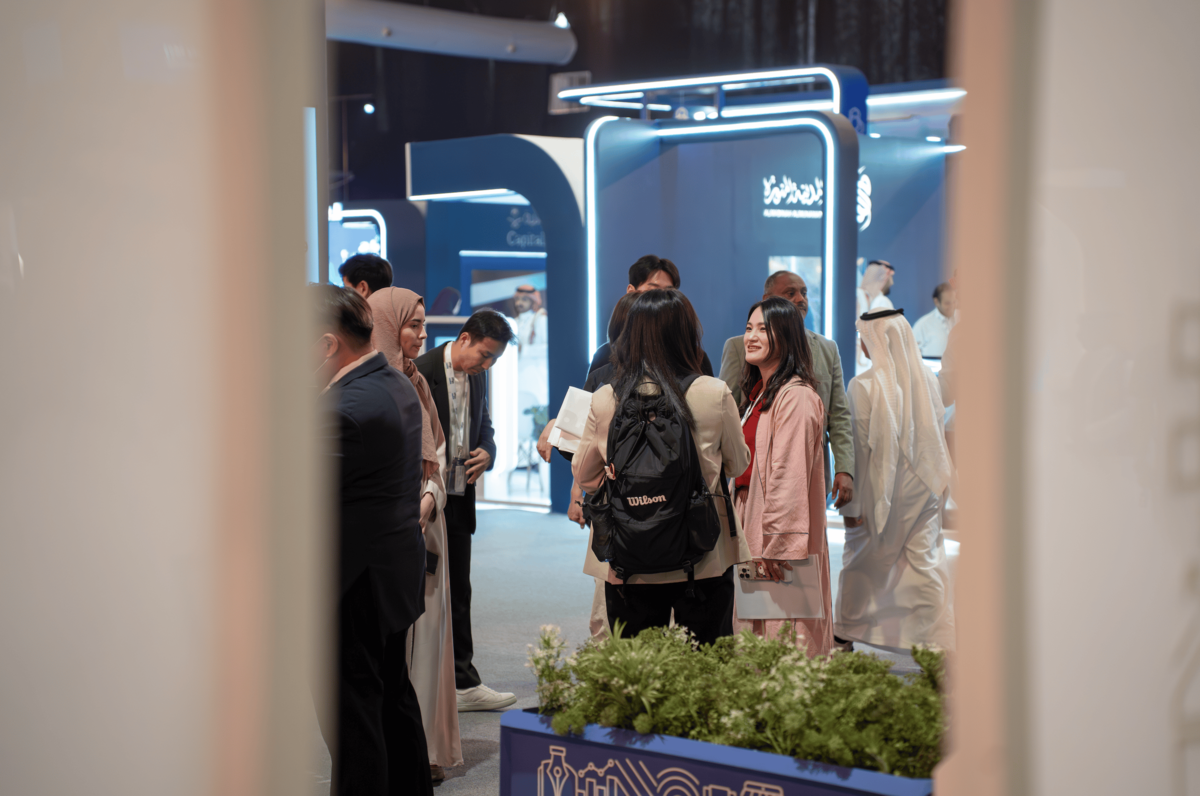
The forum connects local innovators with global investors. AN/Jafa Al-Saleh
Local talent was equally prominent at the forum. Saudi entrepreneur Hadi Al-Yami, founder of The Bees Basket, showcased his startup dedicated to honey and hive-based products.
“We are a new company in Saudi Arabia working to prove ourselves and expand,” he said. “We produce high-quality honey and participate in international competitions, and now we want to grow into the medical and tourism sectors.”
Al-Yami praised Biban for providing a platform for emerging Saudi entrepreneurs to network and gain visibility, encouraging others to take part in future editions.
Biban has become a cornerstone of Saudi Arabia’s strategy to diversify its economy and nurture a vibrant SME ecosystem.
The forum not only connects local innovators with global investors but also reinforces the Kingdom’s image as a destination where ideas can evolve into sustainable enterprises.
By attracting participants from every continent, Biban 2025 underscores the growing confidence in Saudi Arabia’s entrepreneurial landscape and its alignment with Vision 2030’s goal of positioning the Kingdom as a global hub for innovation and opportunity.


