UNIFIL calls on Israel to halt airstrikes and ‘all violations’ in south Lebanon

1 / 2
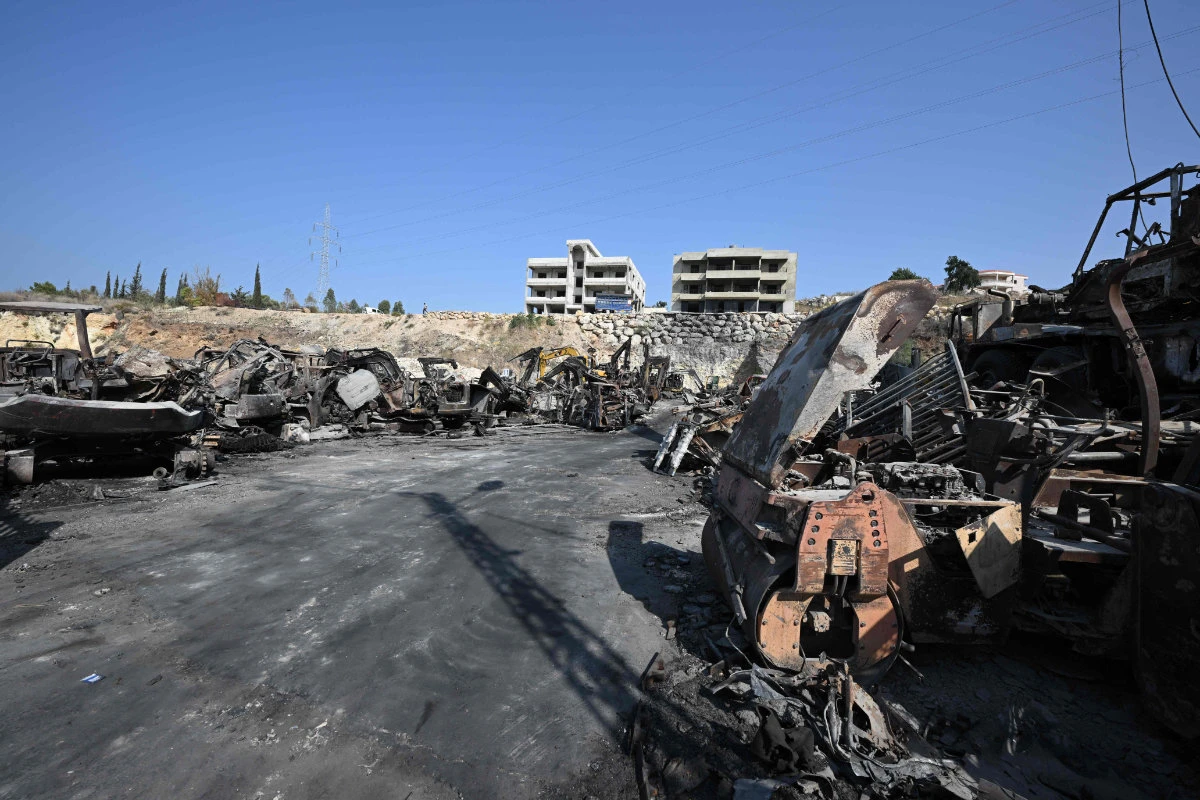
This photo taken on November 6, 2025 shows burnt construction equipment at a site targeted by an Israeli strike in Al-Msayleh area in southern Lebanon on October 11, 2025. (AFP)
2 / 2
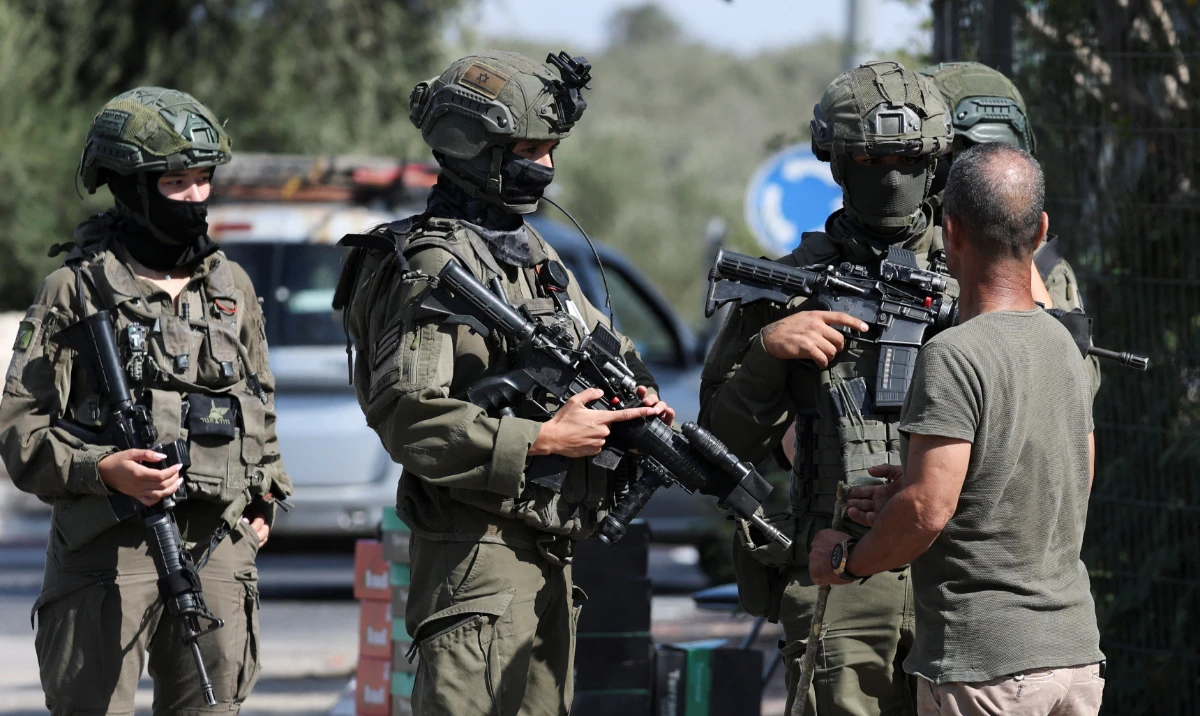
Israeli soldiers ride in the army Merkava main battle tank at a position in northern Israel along the border with southern Lebanon on November 6, 2025. (AFP)
Short Url
Updated 08 November 2025
Follow

UNIFIL calls on Israel to halt airstrikes and ‘all violations’ in south Lebanon

  • Military action ‘undermines progress toward political, diplomatic solution,’ peacekeeping force warns
  • 1 dead, 8 wounded in multiple attacks despite standing ceasefire agreement

NEW YORK: The UN peacekeeping force in Lebanon on Thursday urged Israel to immediately halt airstrikes in southern Lebanon and called on all sides to show restraint to prevent a wider escalation.

The peacekeeping mission said its troops observed multiple Israeli airstrikes in the southern towns of Tayr Dibbah, Taibe and Ayta Al-Jabal — areas within UNIFIL’s zone of operations.

One person was killed and eight others were wounded in the heavy strikes.

Israel said the airstrikes targeted Hezbollah sites and capabilities, marking an escalation in near-daily attacks despite a standing ceasefire agreement.

“These airstrikes constitute clear violations of Security Council resolution 1701,” UNIFIL said, referring to the 2006 resolution that ended the war between Israel and Hezbollah.


The interim force called on Israel to “immediately cease these attacks and all violations” of UN Security Council resolution 1701, while urging Lebanese actors “to refrain from any response that could inflame the situation further.”

It said both countries must adhere to their obligations under the resolution and to a recent understanding reached in November “to avoid putting the current hard-won progress at risk.”

In November 2024, Israel and Lebanon agreed a US and French-brokered ceasefire that ended over a year of conflict.

The agreement, which took effect on Nov. 27, 2024, was a 60-day truce intended to be the foundation for a permanent cessation of hostilities based on the full implementation of UN Security Council Resolution 170.

UNIFIL said the overnight strikes came as the Lebanese Armed Forces carried out operations to control unauthorized weapons and infrastructure south of the Litani River.

“Any military action, especially on such a destructive scale, threatens the safety of civilians and undermines progress toward a political and diplomatic solution,” it said.

UNIFIL added that its peacekeepers remain deployed alongside Lebanese soldiers “working to restore stability in south Lebanon,” and continue to support both Lebanon and Israel in implementing the resolution.


US Congress moves toward repeal of tough ‘Caesar’ sanctions on Syria

Updated 13 sec ago
Follow

US Congress moves toward repeal of tough ‘Caesar’ sanctions on Syria

  • The Caesar sanctions, the most stringent restrictions, can only be removed permanently by an act of Congress
  • Several Saudi Arabian firms are planning billion-dollar investments in the country as part of Riyadh’s drive to support the country’s recovery

WASHINGTON: A set of tough US sanctions imposed on Syria under its former leader Bashar Assad could be lifted within weeks, after their repeal was included in a sweeping defense policy bill unveiled during the weekend and due for votes in Congress within days. The Senate and House of Representatives included repeal of the so-called Caesar sanctions, a move seen as key to Syria’s economic recovery, in a compromise version of the National Defense Authorization Act, or NDAA, a sweeping annual defense policy bill that was unveiled late on Sunday.
The provision in the 3,000-page defense bill repeals the 2019 Caesar Act and requires regular reports from the White House certifying that Syria’s government is fighting Daesh militants, upholding religious and ethnic minority rights within the country and not taking unilateral, unprovoked military action against its neighbors, including Israel.

HIGHLIGHTS

• Sanctions relief seen as key to Syrian economic revival

• US bill including repeal expected to pass within weeks

• Trump has temporarily lifted sanctions, Congress must approve permanent relief

The NDAA is expected to pass by the end of this year and be signed into law by President Donald Trump, whose fellow Republicans hold majorities in both the House and Senate and lead the committees that wrote the bill. Lifting the sanctions is considered a key to the success of Syria’s new government. Several Saudi Arabian firms are planning billion-dollar investments in the country as part of Riyadh’s drive to support the country’s recovery. The US sanctions have been a significant obstacle to Syria’s economic revival.
Trump announced plans to lift all sanctions on Syria during a meeting with Syrian President Ahmed Al-Sharaa in May, and his administration has suspended them temporarily. However, the Caesar sanctions, the most stringent restrictions, can only be removed permanently by an act of Congress.
The 2019 Caesar Act imposed wide-ranging sanctions on Syria targeting individuals, companies and institutions linked to Assad, who was the president of Syria from 2000 until his ouster in 2024 by rebel forces led by Sharaa. Syrian central bank Governor AbdulKader Husrieh told Reuters last week that the country’s economy was growing faster than had been expected. He described the repeal of many US sanctions as “a miracle.”
The sanctions are named after a Syrian military photographer, code-named “Caesar,” who smuggled out thousands of gruesome photos documenting torture and war crimes by Assad’s government.