- Over 60 suspected traffickers have been arrested, with police shutting down key drug networks targeting students
- Experts say legal action alone cannot curb youth drug abuse, urging for a comprehensive plan involving prevention
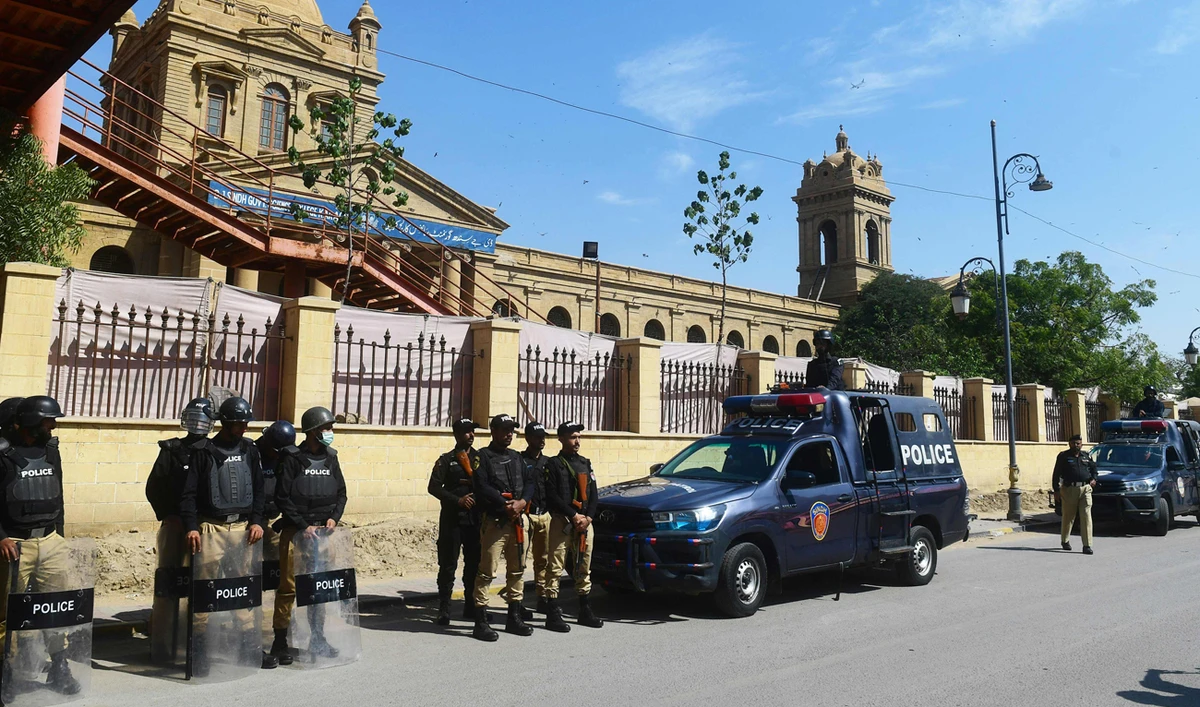
KARACHI: Police in Pakistan’s southern Sindh province have arrested over 60 suspected drug traffickers operating near schools, colleges and universities in an ongoing crackdown aimed at curbing rising drug abuse among students, officials said on Wednesday.
Launched in May, the operation targets “A+ category” drug networks, including those deemed most dangerous due to their proximity to educational institutions.
“Out of 69 drug mafias active around educational institutions, 60 have been arrested,” said the Deputy Inspector General (DIG) of the Special Branch, Sheeraz Nazeer, at a high-level meeting, according to a statement.
Alongside arrests, police have shut down 27 of 31 identified drug dens and detained 38 suspects linked to online drug sales in which narcotics were distributed to students through mobile apps and courier services.
This crackdown comes amid growing public alarm over youth drug abuse in Pakistan’s major cities.
While there are no official statistics on drug addiction in Pakistan, particularly within educational institutions, various estimates suggest a rise in the number of addicts in recent years. According to a survey conducted by the Pakistan Narcotics Control Board (PNCB), 44% of students in universities and colleges engage in drug use. Additionally, another research study found that one in every five students in Pakistani schools has experimented with drugs at least once.
Kashif Mirza, a child rights activist, believes that systemic issues are contributing to the crisis.
“School-aged children face a significant risk of engaging in drug use,” he told Arab News. “The government of Pakistan also claims that 1,200 kids, including those aged six to 12, start smoking in Pakistan every day.”
He added that smoking or vaping was considered the first step towards drugs.
Among the high-profile arrests in connection with drugs this year was Sahir Hasan, son of well-known actor Sajid Hasan. Police accused Sahir of supplying drugs to students and using technology to evade detection.
They said they had seized narcotics worth more than Rs5 million ($17,500) from him, though he was later granted bail and his father denied the charges.
The case is one of several that have emerged since the murder of a Karachi student, Mustafa Amir, this year whose disappearance led the police to uncover an alleged drug network within affluent student circles.
For the families who have seen their children affected, the crisis is deeply personal.
Arshad Ali, a banker whose son struggled with methamphetamine addiction, said stricter measures are urgently needed.
“My son went through rehab twice," he told Arab News. "Drugs easily infiltrated his college. This problem won’t end unless the entire supply chain, dealers, enablers and corrupt officials, is dismantled.”
Students themselves echo the concern.
Salman Shah, who studies at the Karachi University, said drugs were easily accessible on campuses.
“I lost a year of my life to addiction," he added. "Even now, drugs are everywhere on our campus.”
Police said the next phase of their operation would focus on securing court convictions and preventing bail for traffickers.
Sindh’s Inspector General of Police, Ghulam Nabi Memon, said his department will file prosecutable cases, freeze assets of major traffickers and cooperate with the Federal Investigation Agency (FIA) on related financial crimes or suspected terror financing.
“Court convictions are the next step,” Memon told senior officers during a review meeting, according to a statement.
He also warned that police failing to properly investigate or register cases would face disciplinary action.
Despite these efforts, activists caution that a purely punitive approach is insufficient, adding that a comprehensive national strategy prioritizing youth mental health, community outreach and prevention is essential.
“There is an immediate necessity for Pakistan to establish a thorough plan to combat the distressing problem of drug addiction in educational institutions, engaging all parties to disrupt the supply chain and penalize those engaged in the egregious offense of trafficking illegal substances,” Mirza said.