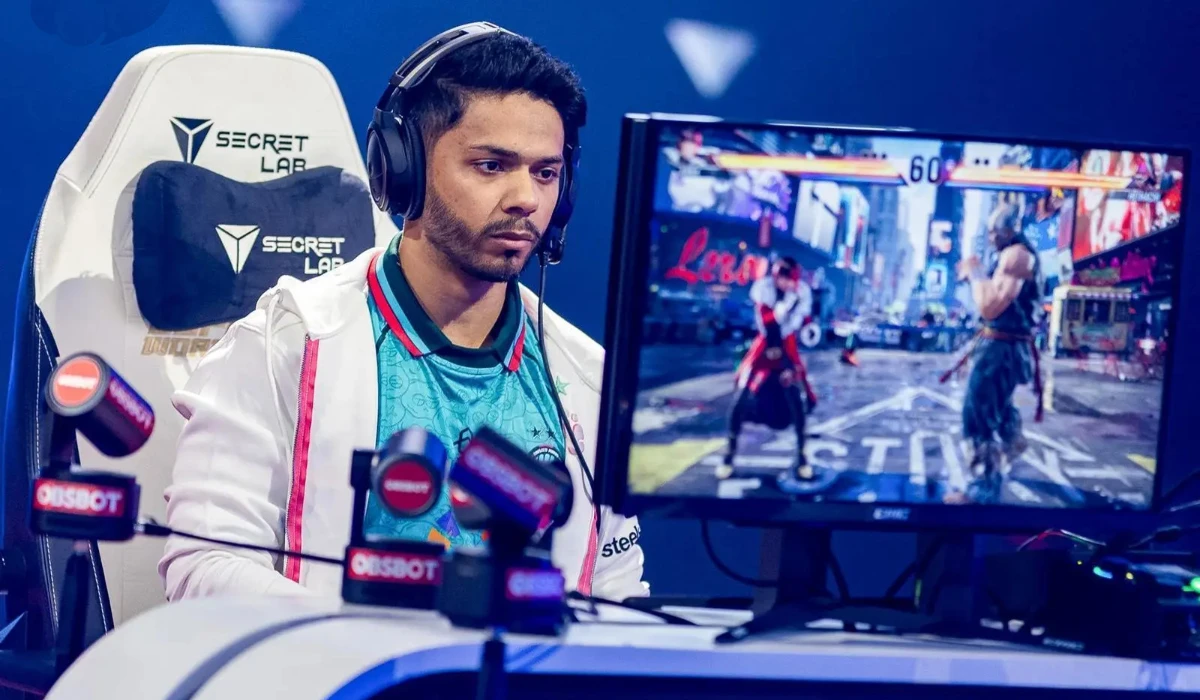
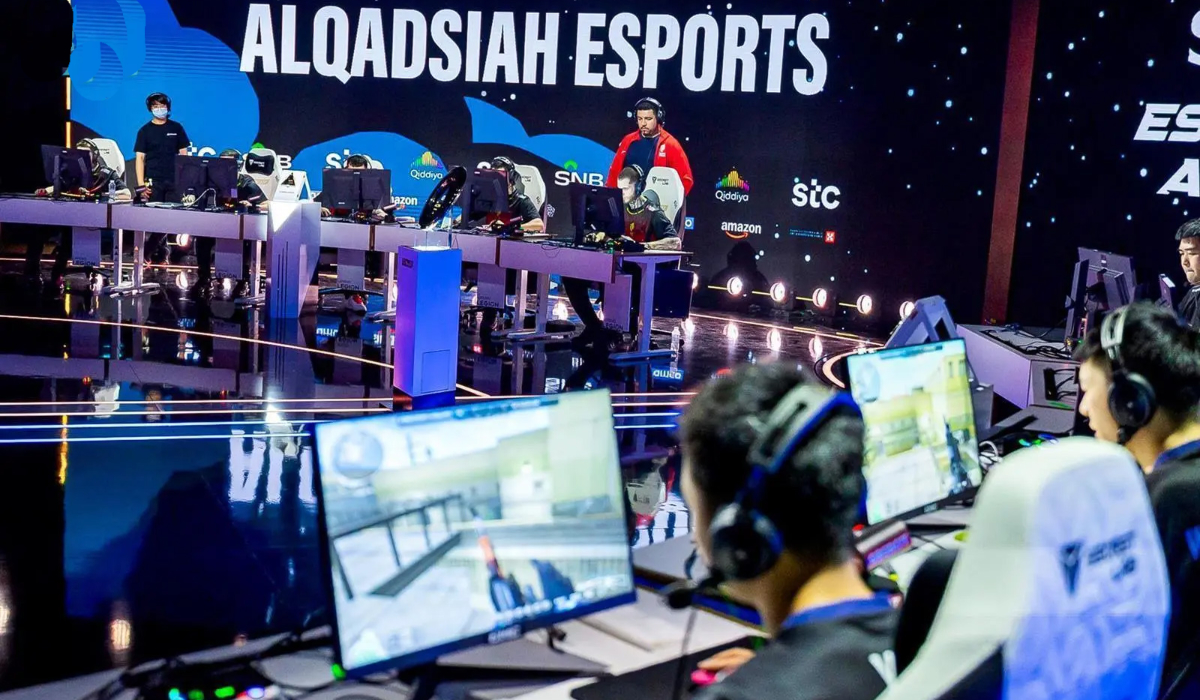
- Centerpiece was the Esports World Cup which brought together 2,000 players from 200 clubs competing for a $70 million prize pool across 24 titles
RIYADH: Savvy Games Group has underlined its commitment to Saudi Arabia’s gaming and esports ecosystem, noting strong growth in its 2024 annual report.
The Riyadh-based company, fully owned by the Public Investment Fund, said it had made major strides across three pillars — game development and publishing, esports, and ecosystem building in the Kingdom.
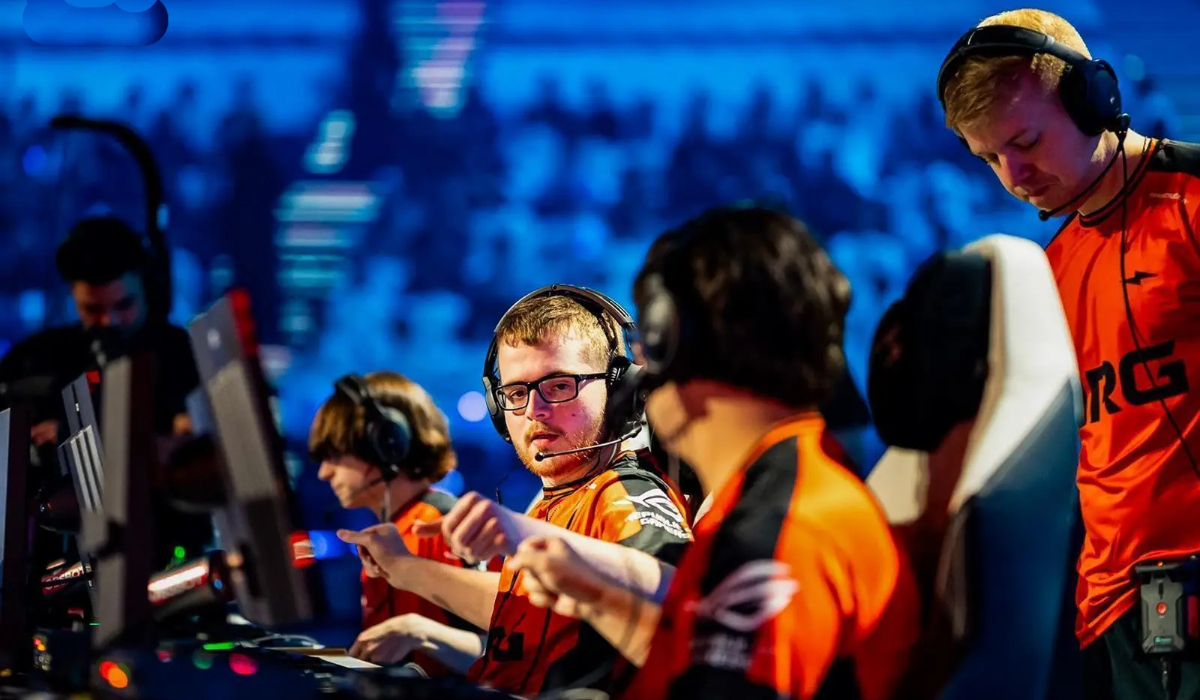
The centerpiece was the Esports World Cup, held in Riyadh, which brought together 2,000 players from 200 clubs competing for a $70 million prize pool across 24 titles.
Under its “ecosystem building” pillar the company launched the Savvy Academy, which focuses on games and esports education, as well as seven new partnerships to build the domestic sector.
Through partnerships with Princess Nourah University and King Abdulaziz University, and international companies including AWS, Unity and Feed Me Light, the academy is introducing training programs to support the domestic games and esports ecosystem.
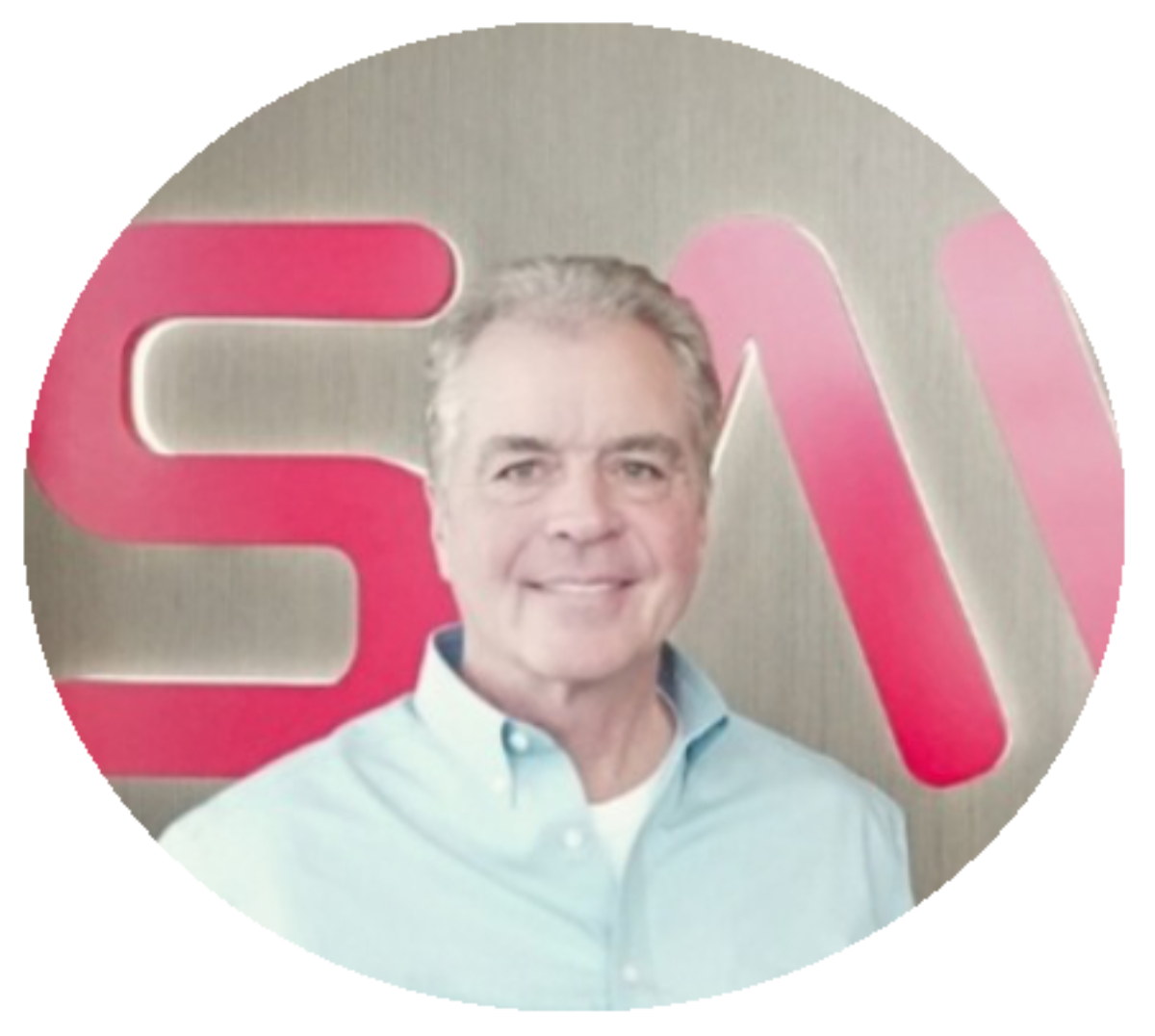
“We are working with the Ministry of Education on programs to roll out across 32,000 primary and secondary schools in the Kingdom, to give young people (the chance) to work with game development tools,” Brian Ward, group CEO of Savvy Games Group, told Arab News.
Their “Next-Gen” program gives Saudi students hands-on experience in game development.
“It was so successful in terms of their enthusiasm, their immediate adoption to the technologies in terms of game design, concepting, taking the concept to ideation,” Ward said. “We think kids would love this. (They) were so amazing.”
While strengthening the Kingdom’s domestic sector, Savvy also expanded its global publishing operations. The company acquired Scopely in 2023 for $4.9 billion, and since then the publisher has tripled in size.
We are working with the Ministry of Education on programs to roll out across 32,000 primary and secondary schools in the Kingdom, to give young people (the chance) to work with game development tools.
Brian Ward, Savvy Games Group CEO
“Scopely is now the second largest mobile games publisher in the world,” said Ward.
In March this year, Scopely signed a $3.5 billion deal to acquire the video game division of Niantic Labs, including Pokemon Go.
Scopely’s “Monopoly Go” became the fastest game to reach $5 billion in revenue, and the company was named one of TIME’S 100 Most Influential Companies for a second consecutive year.

At a media roundtable in Riyadh on Monday, Scopely co-founder and co-CEO Walter Driver said: “We saw over 5 billion hours of play time last year and perhaps the most unique aspect of this experience was 50 percent of our players were active on any given day playing seven days a week.
“Since we have started Scopely, we have had over 1 billion people download our products,” he added.
With SR142 billion ($38 billion) allocated by PIF to accelerate gaming sector growth, Savvy said it would continue investing globally while anchoring development in Saudi Arabia.
Its strategy is aligned with the National Gaming and Esports Strategy to position the Kingdom as a global leader in the industry by 2030.